The ultimate pre-purchase checklist for buying an apartment in Israel
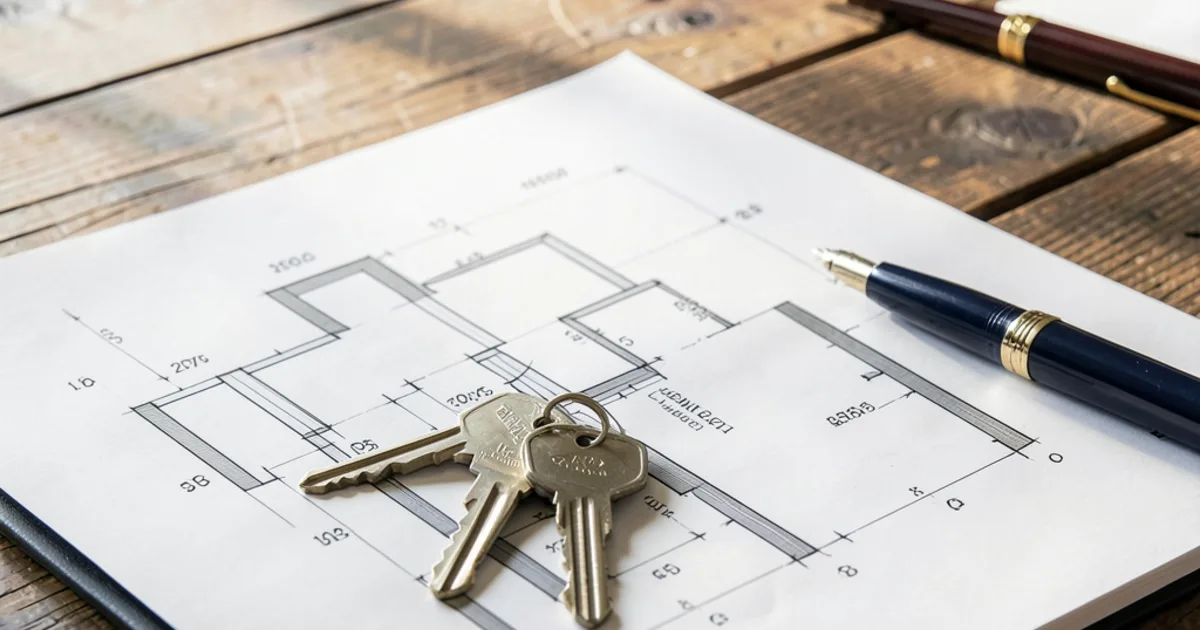
Purchasing property in Israel is a profound milestone, often representing the culmination of years of planning and emotional investment. However, the local real estate landscape is governed by unique legal frameworks, tax structures, and cultural nuances that can surprise even the most prepared buyers. This guide provides a structured, professional roadmap to help you navigate the complexities of the Israeli market with confidence and clarity.
Quick answer: Buying a home before Aliyah requires a specific pre-purchase checklist covering legal due diligence, tax implications, and financing options available to non-residents. This guide outlines the essential steps to secure your property safely and efficiently before your move to Israel.
- Establishing Your Financial Foundation
- Selecting the Right Location and Lifestyle
- Legal Due Diligence and the Tabu Registry
- Understanding Israeli Property Taxes
- Conducting a Physical Property Inspection
- The Essential Professional Team
- The Binding Memorandum and Contractual Terms
- Mastering the Mashkanta (Mortgage) Process
- Special Considerations for Olim Hadashim
- Finalizing the Purchase and Ongoing Costs
Establishing Your Financial Foundation
Before you begin touring apartments in Tel Aviv or Jerusalem, you must establish a realistic and comprehensive budget. This budget should not merely reflect the sticker price of the property but must account for the significant 'hidden' costs associated with Israeli real estate. These additional expenses can include legal fees, agency commissions, and various government taxes, which can collectively add a substantial percentage to your total expenditure.
A critical component of your financial readiness is understanding your equity versus your borrowing capacity. You should have a clear view of your liquid assets that can be deployed for a down payment, as Israeli banks typically require a significant percentage of the property value upfront. It is wise to consult with financial advisors to determine how much of your capital should remain liquid for unforeseen renovation costs or immediate integration expenses upon arrival.
For many international buyers, the volatility of exchange rates presents a unique layer of complexity. When transferring large sums of money from abroad to cover a purchase, even minor fluctuations in the Shekel can impact your overall purchasing power. It is often prudent to work with financial institutions that specialize in large-scale international transfers to mitigate these risks and ensure your funds arrive in a timely and predictable manner.
Finally, do not overlook the necessity of an emergency fund that exists entirely separate from your home purchase budget. The process of buying in Israel can occasionally encounter delays, and having a financial buffer ensures that you are not pressured into making hasty decisions during negotiations. A well-structured financial plan is the most effective tool for maintaining composure during the high-stakes environment of a real estate transaction.
- Total property purchase price
- Down payment (Equity)
- Legal and notary fees
- Real estate agency commissions
- Purchase tax (Mas Rekhisha)
- Renovation and moving contingency
Selecting the Right Location and Lifestyle
The choice of location in Israel is often a trade-off between lifestyle preferences, proximity to work, and long-term investment potential. Urban centers like Tel Aviv offer unparalleled vibrancy and economic opportunity but often come with higher price points and denser living environments. In contrast, cities like Netanya or Herzliya might offer a different coastal lifestyle that appeals to those seeking a balance between sea access and urban amenities.
If your priority is a specific community feel or religious infrastructure, neighborhoods in Jerusalem or certain areas of Ramat Beit Shemesh may be more suitable. When evaluating a neighborhood, it is essential to look beyond the immediate street and consider the broader ecosystem, including the availability of local amenities, the quality of nearby schools, and the accessibility of public transportation. A neighborhood that feels perfect during a midday visit might feel quite different during the evening rush hour.
Transportation infrastructure is a vital factor that can significantly impact your daily quality of life and the future resale value of your apartment. In Israel, proximity to train stations, major highways, or light rail lines can be a decisive factor in how much time you spend commuting. You should research planned infrastructure developments in the area, as new transport links can drive up property values but may also bring temporary construction noise and disruption.
Always consider the long-term demographic trends of the area you are targeting. Is the neighborhood seeing an influx of young families, or is it transitioning into a more senior-oriented community? Understanding these shifts helps you align your purchase with your long-term goals, whether you are looking for a primary residence to grow into or a property that will maintain its value for future rental income.
Legal Due Diligence and the Tabu Registry
One of the most critical steps in the Israeli buying process is verifying the legal status of the property through the Tabu land registry. The Tabu is the official government record of property ownership, and ensuring that the seller is the rightful owner listed in this registry is paramount. A property that is not properly registered in the Tabu can lead to significant legal hurdles and may complicate your ability to secure a mortgage.
During the due diligence phase, your legal representative must conduct a thorough search for any liens, mortgages, or legal encumbrances attached to the property. It is common for properties to have existing mortgages from the previous owner, and it is essential to ensure these are cleared before the transaction is finalized. A 'clean' title is the only way to guarantee that you are not inheriting the previous owner's financial liabilities.
In addition to ownership verification, you must investigate the rights associated with common areas and shared amenities. In many Israeli apartment buildings, rights to parking spaces, storage units (makhsan), or specific balcony usage are documented separately. You must confirm that the specific parking spot or storage room you believe is included in the sale is explicitly mentioned in the legal documentation and registered to the property.
Be aware that not all properties in Israel are registered in the same way; some may be managed through different registration systems or cooperative societies. This variation requires a high level of expertise from your legal counsel to ensure that the specific rules governing that type of registration are fully understood and respected. Never assume a property is 'standard' without professional verification of its specific legal standing.
Understanding Israeli Property Taxes
Taxation is a significant component of the total cost of buying an apartment in Israel, and it is categorized into several distinct types. The most prominent is the Mas Rekhisha, or purchase tax, which is a tiered tax paid by the buyer based on the total value of the property. The rates applied to the purchase price are progressive, meaning higher-value properties incur a higher percentage of tax.
There are important considerations regarding exemptions and reductions in purchase tax, particularly for first-time buyers or those qualifying under specific criteria. For example, certain categories of immigrants (Olim) may be eligible for significant tax breaks or exemptions, which can result in substantial savings. It is vital to work with a lawyer who can accurately determine your eligibility and ensure that all necessary documentation is submitted to the tax authorities.
While Mas Rekhisha is the buyer's responsibility, you should also be aware of Mas Shevah, which is the capital gains tax paid by the seller. While this does not directly affect your out-of-pocket purchase cost, understanding the tax landscape helps you comprehend the overall market dynamics and the motivations of the seller. In some cases, the way a seller handles their capital gains tax can influence the negotiation process and the timing of the deal.
Always request a clear breakdown of all anticipated taxes from your legal counsel before signing any binding agreements. Knowing exactly how much you will owe the government allows for more accurate financial planning and prevents any unpleasant surprises during the closing stages of the transaction. Taxes are a non-negotiable part of the process, so treating them as a primary line item in your budget is essential.
- Mas Rekhisha (Purchase Tax) tiers
- Olim tax exemptions
- First-time buyer considerations
- Documentation for tax authorities
Conducting a Physical Property Inspection
A physical inspection of the apartment is indispensable, as even the most beautiful property can harbor hidden structural or systemic issues. You should look closely at the condition of the walls, ceilings, and floors to identify any signs of water damage, cracks, or structural movement. In older buildings, especially in cities like Jerusalem or Tel Aviv, it is crucial to check for signs of aging that might require expensive repairs in the near future.
The functionality of essential systems, including plumbing and electrical, must be a primary focus of your inspection. Test the water pressure in all faucets, check for leaks under sinks, and ensure that the electrical panel is modern and capable of handling contemporary appliance loads. If the apartment is part of an older building, you may want to consider a more specialized inspection to evaluate the condition of the building's main pipes and electrical wiring.
Don't forget to inspect the 'extras' that are so common in Israeli living, such as balconies, parking spaces, and storage units. A balcony that appears sturdy might have drainage issues, and a parking space that seems adequate might be difficult to maneuver in with a larger vehicle. Similarly, ensure that any included storage unit is dry, secure, and properly accessible from the main apartment area.
It is often helpful to visit the property at different times of the day and under different weather conditions. A visit during a heavy rainstorm can reveal drainage problems or leaks that are invisible on a sunny afternoon, while a visit during evening hours can give you a sense of the noise levels and the general atmosphere of the neighborhood. This holistic approach to inspection provides a much more accurate picture of what your daily life will actually look like.
The Essential Professional Team
Navigating an Israeli real estate transaction without professional help is highly discouraged. A qualified real estate lawyer is your most important ally; they are responsible for conducting due diligence, reviewing the Tabu, drafting the contract, and ensuring that your interests are protected throughout the process. A lawyer does not just facilitate the paperwork; they act as a shield against potential legal pitfalls and unfavorable terms.
While a real estate agent can be a valuable resource for finding properties and understanding local market trends, it is important to remember that their primary role is to facilitate a sale. They may have a vested interest in closing the deal quickly, which is why you should never rely on an agent for legal or financial advice. Use an agent for their local knowledge, but rely on your lawyer for your protection.
A notary may also be required in certain transactions, particularly when dealing with international documents, powers of attorney, or the authentication of signatures. Notaries play a specific role in certifying that certain actions or documents are legally valid, which is often a requirement when buyers are residing outside of Israel. Understanding when a notary is necessary can prevent delays in the signing of the binding memorandum.
Finally, depending on your financial situation, a mortgage specialist or a financial advisor can be instrumental in navigating the Mashkanta process. These professionals can help you compare different interest rate structures and bank offers, ensuring that you secure a mortgage that aligns with your long-term financial health. Building a team of trusted, independent professionals is the best way to ensure a smooth and secure purchase.
The Binding Memorandum and Contractual Terms
In Israel, the real estate process often begins with the signing of a 'Zichron Devarim,' or a binding memorandum. This document outlines the fundamental terms of the deal, such as the purchase price, the payment schedule, and the expected closing date. While it is not the full, detailed contract, it is a legally binding agreement that sets the stage for the entire transaction and can be difficult to retract once signed.
The memorandum should clearly state all the essential conditions that must be met before the deal becomes final. This includes conditions such as the seller obtaining approval from their bank, the buyer securing mortgage approval, or the successful completion of certain legal checks. If these conditions are not met within a specified timeframe, the memorandum should provide a clear mechanism for the deal to be canceled without undue penalty.
Once the memorandum is signed, your lawyer will proceed to draft the full, comprehensive purchase contract. This document is much more detailed and covers everything from the exact description of the property to the specific responsibilities of both parties regarding repairs, utilities, and taxes. You should never sign the full contract until your lawyer has thoroughly reviewed every clause and explained its implications to you.
Pay close attention to the clauses regarding delays and penalties. In the fast-paced Israeli market, unforeseen delays can occur, and it is vital to have agreed-upon terms for what happens if the closing date is pushed back. Ensuring that the contract is balanced and protects your ability to exit the deal under specific circumstances is a key responsibility of your legal representative.
Mastering the Mashkanta (Mortgage) Process
The Mashkanta, or mortgage, is the primary method through which most Israelis and Olim purchase property. Securing a mortgage requires a thorough understanding of the different types of interest rates available, such as fixed-rate, variable-rate, or prime-linked options. Each structure carries different levels of risk and benefit, and the choice you make will have a profound impact on your monthly cash flow and long-term financial stability.
The process typically begins with a preliminary bank approval, but the final mortgage is contingent upon a formal appraisal (shama'i) of the property. The bank will send an independent appraiser to ensure that the property's value justifies the loan amount you are requesting. If the appraisal comes in lower than the purchase price, you may be required to cover the difference with additional equity.
It is highly recommended to approach multiple banks to compare their offers and terms. While one bank might offer a slightly lower interest rate, another might offer more flexible repayment terms or lower administrative fees. Understanding the total cost of the loan over its entire lifespan, rather than just the monthly payment, is essential for making an informed decision.
Be prepared for a rigorous documentation process. Banks will require extensive proof of income, asset statements, and, for international buyers, documentation regarding the source of funds. Organizing these documents in advance can significantly speed up the approval process and reduce the stress of the mortgage stage.
Special Considerations for Olim Hadashim
For those making Aliyah, the real estate journey is often intertwined with the broader process of integration. The timing of your property purchase can be a delicate balance; you may want to secure a home quickly, but it is often wise to spend some time in temporary housing to better understand the different neighborhoods and your own lifestyle needs in Israel. This period of observation can prevent costly mistakes in your long-term housing choice.
The transfer of funds from abroad is a critical logistical hurdle that requires careful planning. You must ensure that you are compliant with both your home country's regulations and Israeli tax laws regarding the movement of large sums of money. Working with banks that have experience in international transfers can help mitigate the risk of funds being held up in transit, which could jeopardize a closing date.
Many Olim find it helpful to engage with organizations like the Jewish Agency (Sokhnut) to understand the various resources and support systems available during their transition. While these institutions may not provide direct real estate services, their guidance on the general landscape of life in Israel can be invaluable. Additionally, ensuring you have completed your Ulpan or Hebrew language training can help you communicate more effectively with local professionals.
Lastly, be mindful of the cultural nuances in Israeli business dealings. Negotiations can sometimes feel more direct or even intense compared to other countries, but this is often a standard part of the local commercial culture. Maintaining a professional, calm, and well-informed stance will serve you best as you navigate these new social and economic waters.
Finalizing the Purchase and Ongoing Costs
The closing of the deal, often referred to as the 'handover,' is the moment when the keys are transferred and the ownership officially shifts. This stage involves the final settlement of funds and the signing of various documents to confirm that all conditions of the contract have been met. Your lawyer will coordinate this process to ensure that all payments are made securely and that the seller's obligations are fulfilled.
Once you have moved in, you must immediately attend to the transfer of municipal services. This includes registering with the local municipality for Arnona (property tax), which is a recurring cost based on the size and location of your home. Failure to register promptly can lead to administrative issues or penalties, so making this one of your first post-move tasks is essential.
Similarly, you must ensure that all utility accounts, such as electricity (IEC), water (Mekorot or local providers), and gas, are correctly transferred into your name. In many Israeli buildings, certain services might be managed centrally, while others are individual. Verifying the billing process for these services will prevent any interruptions in your daily life and ensure that you are only paying for your own consumption.
Finally, ensure that the transaction is properly recorded in the Tabu registry to finalize your legal ownership. While your lawyer handles the heavy lifting, it is your responsibility to confirm that the registration process has been completed successfully. A completed registration is your ultimate guarantee of legal security and the final step in turning a property into your home.
FAQ
How much extra should I budget for closing costs in Israel?
You should generally budget an additional 7% to 10% of the purchase price to cover taxes, legal fees, and agency commissions. This provides a safe margin for the various mandatory costs associated with the transaction.
Get your personalised shortlist
Listings and up-to-date info, straight to your inbox, free, no obligation.
Get my shortlist →