Comprar imóvel em israel
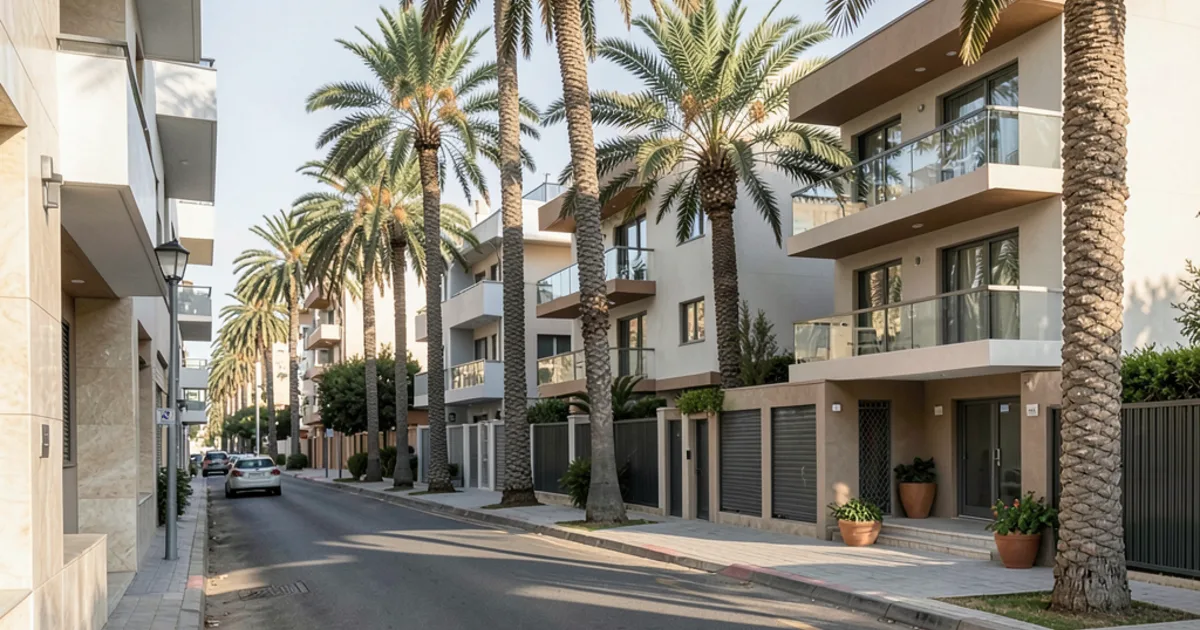
Deciding to purchase property in Israel is a monumental step that combines personal aspiration with complex legal and financial realities. Whether you are looking for a coastal retreat, a spiritual home in Jerusalem, or a modern apartment in Tel Aviv, the process involves navigating a unique landscape of taxes, registries, and local customs. This guide is designed to provide prospective buyers with a comprehensive roadmap to ensure a secure and informed investment in the Holy Land.
Quick answer: Investing in real estate in Israel offers a stable long-term asset class with strong rental yields. Aliyah Homes provides verified listings and expert guidance to help international buyers navigate the local market safely and efficiently.
- Navigating the Israeli Real Estate Landscape
- The Legal Foundation: Understanding the Tabu Land Registry
- Essential Taxes: Mas Rekhisha and Mas Shevah Explained
- Financing Your Dream: The Mashkanta Mortgage Process
- Strategic Locations: From Tel Aviv to Ramat Beit Shemesh
- The Binding Memorandum: Securing Your Intent
- Post-Purchase Obligations: Arnona and Maintenance Fees
- The Necessity of Professional Legal and Notarial Counsel
- New Developments vs. The Secondary Market
- Avoiding Common Pitfalls in the Israeli Property Market
- Beyond the Walls: Integrating into Your New Community
Navigating the Israeli Real Estate Landscape
The Israeli real estate market is characterized by high demand and a unique set of socio-economic drivers. Unlike many other markets, property in Israel is often viewed not just as a financial asset, but as a foundational element of one's connection to the land and community. This emotional and cultural significance can influence market trends and buyer behavior, making it essential to approach every transaction with both logic and local awareness.
For many newcomers, the sheer complexity of the market can feel overwhelming at first glance. The intersection of traditional legal practices and modern financial systems creates a landscape that requires careful navigation. Understanding the nuances of different urban centers and the varying availability of housing types is the first step toward a successful acquisition. It is a market that rewards patience and thorough preparation.
Success in this environment is rarely about finding the fastest deal; instead, it is about finding the right deal. The market fluctuates based on various local factors, including government policy, demographic shifts, and regional stability. By approaching the process as a long-term journey rather than a quick transaction, you position yourself to make decisions that align with both your lifestyle needs and your financial goals.
- High demand in central metropolitan areas
- Strong cultural connection to property ownership
- Diverse range of residential and commercial opportunities
The Legal Foundation: Understanding the Tabu Land Registry
At the heart of every real estate transaction in Israel is the Tabu, the official Land Registry. The Tabu serves as the definitive authority on property ownership, encumbrances, and legal rights associated with a specific plot or building. Before any money changes hands, it is absolutely vital to verify that the seller is the rightful owner as recorded in this central registry.
Relying solely on a seller's word or even a physical deed is insufficient in the Israeli context. A professional search within the Tabu will reveal if there are any existing liens, mortgages, or legal disputes that could jeopardize your ownership. This step is the cornerstone of due diligence and provides the legal certainty required to proceed with a binding contract.
It is important to note that while most urban properties are fully registered in the Tabu, some areas or older agricultural lands may operate under different registration systems. In such cases, the legal verification process becomes even more specialized. Always ensure that your legal representative is conducting a thorough investigation into the specific registration status of the property you are eyeing.
- Verification of legal ownership
- Identification of existing liens or mortgages
- Confirmation of property boundaries and rights
Essential Taxes: Mas Rekhisha and Mas Shevah Explained
Taxation is a significant component of the total cost of purchasing property in Israel. The most prominent tax for a buyer is Mas Rekhisha, commonly referred to as purchase tax. This is a progressive tax, meaning the rate increases as the value of the property rises. The exact amount you will pay depends on several factors, including whether the property is your primary residence and your specific status as a resident.
On the other side of the transaction, the seller is responsible for Mas Shevah, which is the capital gains tax. This tax is levied on the profit realized from the sale of the property. While this is technically the seller's obligation, it is a critical factor in the broader economic context of the sale and can influence the final negotiated price. Understanding these two distinct tax obligations is essential for accurate budgeting.
Failing to account for these taxes in your initial financial planning can lead to significant stress during the closing phase. Beyond these primary taxes, there may be additional municipal fees or costs associated with the formal transfer of title. It is highly recommended to work with a professional who can provide a detailed projection of all fiscal requirements specific to your transaction.
- Mas Rekhisha: Progressive tax paid by the buyer
- Mas Shevah: Capital gains tax paid by the seller
- Importance of early tax estimation in budgeting
Financing Your Dream: The Mashkanta Mortgage Process
For most buyers, securing a Mashkanta, or mortgage, is a central part of the acquisition process. The Israeli mortgage market operates through a structured system where banks evaluate both the property's value and the buyer's financial stability. The process begins with a formal application, followed by a professional appraisal, known as a Shama, to ensure the property's value aligns with the loan amount.
Mortgage structures in Israel can vary significantly, offering different combinations of fixed and variable interest rates. Some buyers prefer the stability of a fixed rate, while others may opt for a floating rate to potentially benefit from market fluctuations. Choosing the right Mashkanta requires a deep understanding of how these different structures will impact your monthly cash flow over the long term.
It is crucial to remember that the bank's approval is contingent upon several factors, including your debt-to-income ratio and the specific characteristics of the property. A property with legal irregularities in the Tabu may be difficult to finance through traditional channels. Therefore, securing your legal due diligence and your mortgage pre-approval should ideally happen in parallel.
- The role of the Shama (appraisal) in determining loan value
- Balancing fixed vs. variable interest rates
- Importance of bank pre-approval before making offers
Strategic Locations: From Tel Aviv to Ramat Beit Shemesh
Choosing the right location is perhaps the most subjective yet impactful decision in the entire process. Tel Aviv and the surrounding coastal areas like Herzliya offer a cosmopolitan lifestyle, high demand, and significant urban amenities. These areas are often characterized by higher property values and a fast-paced, international atmosphere that appeals to professionals and investors alike.
For those seeking a different pace or a specific community feel, other regions offer distinct advantages. Jerusalem remains a primary choice for those drawn to its historical and spiritual significance, though it presents its own unique logistical and market dynamics. Netanya provides a more relaxed, coastal lifestyle that is highly popular among families and retirees seeking a balance of sea and sun.
Ramat Beit Shemesh has emerged as a notable location for those looking for growing communities with specific social characteristics. This area often appeals to those seeking a sense of belonging and a family-oriented environment. Each city has its own unique 'personality,' and your choice should reflect a careful alignment between your personal values and the local lifestyle.
- Tel Aviv/Herzliya: Cosmopolitan and high-value coastal living
- Jerusalem: Historical, spiritual, and culturally rich
- Netanya: Coastal, family-oriented, and diverse
- Ramat Beit Shemesh: Growing, community-focused residential areas
The Binding Memorandum: Securing Your Intent
In the Israeli real estate process, the transition from a verbal agreement to a formal contract is often marked by the signing of a binding memorandum, sometimes referred to as a Hovata. This document serves as an initial legal commitment that outlines the primary terms of the sale. It is a critical stage where the buyer's intent is formalized, and a deposit is typically placed in escrow.
The memorandum is not merely a formality; it is a legally significant document that can have profound implications if the deal fails to reach a final contract. Because it creates a binding obligation, it is vital that any terms regarding the deposit, the closing date, and the property condition are clearly articulated. This is the moment when the foundation of the transaction is set in stone.
One of the most common mistakes is signing such a document without thorough legal review. A lawyer should always examine the memorandum to ensure that the buyer is protected against unforeseen circumstances. Ensuring that the terms are equitable and that there are clear exit clauses or protections for the deposit is essential for a secure transaction.
- The role of the memorandum in formalizing the deal
- The importance of the security deposit
- Necessity of legal review before signing
Post-Purchase Obligations: Arnona and Maintenance Fees
Owning property in Israel involves ongoing financial responsibilities that extend beyond the initial purchase price. One of the most consistent costs is Arnona, the municipal property tax. This tax is paid to the local municipality and is used to fund essential services such as sanitation, street lighting, and local infrastructure. The rate of Arnona varies depending on the type of property and the specific municipality.
In addition to municipal taxes, residents of apartment buildings are responsible for Va'ad Bayit, or building committee fees. These fees cover the maintenance of common areas, such as elevators, hallways, gardens, and swimming pools. In larger complexes or luxury buildings, these costs can be a significant part of your monthly budget, so it is wise to inquire about the history of these fees before buying.
Managing these recurring costs is a key part of long-term homeownership. It is important to factor these expenses into your monthly budget to avoid any surprises. Being aware of the local standards for maintenance and the typical range for Arnona in your chosen city will help you maintain a realistic financial plan.
- Arnona: Mandatory municipal property tax
- Va'ad Bayit: Building maintenance and common area fees
- Importance of budgeting for recurring monthly costs
The Necessity of Professional Legal and Notarial Counsel
Navigating the legal complexities of Israeli real estate is not a task to be taken lightly. Engaging a qualified lawyer is perhaps the single most important investment a buyer can make. A lawyer does more than just draft contracts; they conduct essential due diligence, verify the Tabu registry, negotiate terms, and ensure that your interests are protected throughout the entire process.
A notary also plays a specialized role in the transaction, particularly when dealing with official documentation, power of attorney, or the authentication of signatures. While a lawyer handles the strategy and protection of the deal, a notary provides the formal legal validation required by various institutions. Both professionals are essential components of a secure real estate transaction.
While some may be tempted to attempt the process independently to save on costs, the potential risks of legal errors or overlooked encumbrances far outweigh the savings. Professional counsel provides peace of mind and ensures that the transaction adheres to all local laws and regulations, shielding you from future disputes or financial loss.
- Lawyers: Essential for due diligence and contract negotiation
- Notaries: Crucial for document authentication and validation
- The risk of self-management vs. the security of professional help
New Developments vs. The Secondary Market
Buyers in Israel generally choose between two main paths: purchasing a brand-new property from a developer or buying an existing home from a previous owner in the secondary market. New developments often offer modern amenities, energy-efficient designs, and the opportunity to customize certain aspects of the home. However, these purchases often involve a 'pre-sale' period, meaning you may have to wait for construction to complete.
The secondary market, on the other hand, allows for much more immediate occupancy. You can walk through the actual space, see the view, and assess the immediate condition of the neighborhood. While these properties may require renovations or updates, they offer the advantage of certainty regarding the physical state of the building and the surrounding community.
Each path has its own set of pros and cons. New builds may involve different tax implications and risks related to construction timelines, whereas secondary market purchases require a careful assessment of the building's maintenance history and potential repair costs. Your choice should depend on your timeline, your budget, and your preference for 'new' versus 'established'.
- New Developments: Modernity and customization vs. construction wait times
- Secondary Market: Immediate occupancy and established neighborhoods
- Evaluating the trade-offs between each option
Avoiding Common Pitfalls in the Israeli Property Market
Even with the best intentions, many buyers fall victim to avoidable mistakes. One of the most frequent pitfalls is neglecting thorough due diligence. This includes failing to check the building's maintenance records or overlooking potential legal issues in the Tabu. Always assume that there might be an issue and verify it through professional channels.
Another common error is underestimating the total cost of acquisition. Many buyers focus solely on the purchase price and forget to account for Mas Rekhisha, legal fees, notary costs, and initial renovation expenses. A realistic budget should include a significant buffer to cover these non-negotiable closing costs and unexpected repairs.
Finally, language and cultural barriers can lead to misunderstandings in contract terms. Even if you are communicating in English, the legal concepts are rooted in Israeli law. This is why having a local professional who can translate not just the words, but the legal implications, is vital to ensuring you fully understand what you are signing.
- Neglecting due diligence and registry checks
- Underestimating closing costs and taxes
- Misinterpreting legal nuances due to language barriers
Beyond the Walls: Integrating into Your New Community
Purchasing a home is only the first step in what is often a much larger life transition. For many, buying property in Israel is part of the Aliyah process, which involves integrating into a new society and culture. The quality of your life will be determined as much by your neighbors and local community as by the four walls of your apartment.
Engaging with local resources, such as an Ulpan to learn the Hebrew language, can significantly ease this transition. Language is the key to navigating daily life, from understanding municipal notices to building meaningful relationships with neighbors. The more you invest in the local culture, the more your property will truly feel like a home.
Building a support network of fellow newcomers and local residents provides the social fabric necessary for a successful move. Whether it is through community centers, local synagogues, or neighborhood groups, finding your place in the Israeli social landscape is an essential part of the journey that begins with your real estate purchase.
- The importance of language and Ulpan
- Building local social connections
- Viewing property as part of a larger life integration
FAQ
Can foreigners purchase property in Israel?
Yes, individuals and entities from many countries can purchase property in Israel. However, there are certain regulations and potential limitations depending on your residency status and the type of property you are seeking to acquire.
How long does the typical property purchase process take?
The timeline can vary significantly depending on whether you are buying a new build or a resale property. A secondary market transaction might take a few months, while buying from a developer can take much longer due to construction schedules.
Do I need to speak Hebrew to buy property?
While it is not strictly required to conduct a transaction, it is highly recommended to have a professional, such as a lawyer, who can bridge the language gap. Understanding the local context and being able to communicate basic needs will greatly improve your experience.
What is the most important thing to check before signing a contract?
The most critical step is ensuring that your legal counsel has performed a thorough search in the Tabu land registry. This confirms ownership and ensures there are no hidden liens or legal disputes that could affect your investment.
Get your personalised shortlist
Listings and up-to-date info, straight to your inbox, free, no obligation.
Get my shortlist →