Comprare casa in israele da straniero
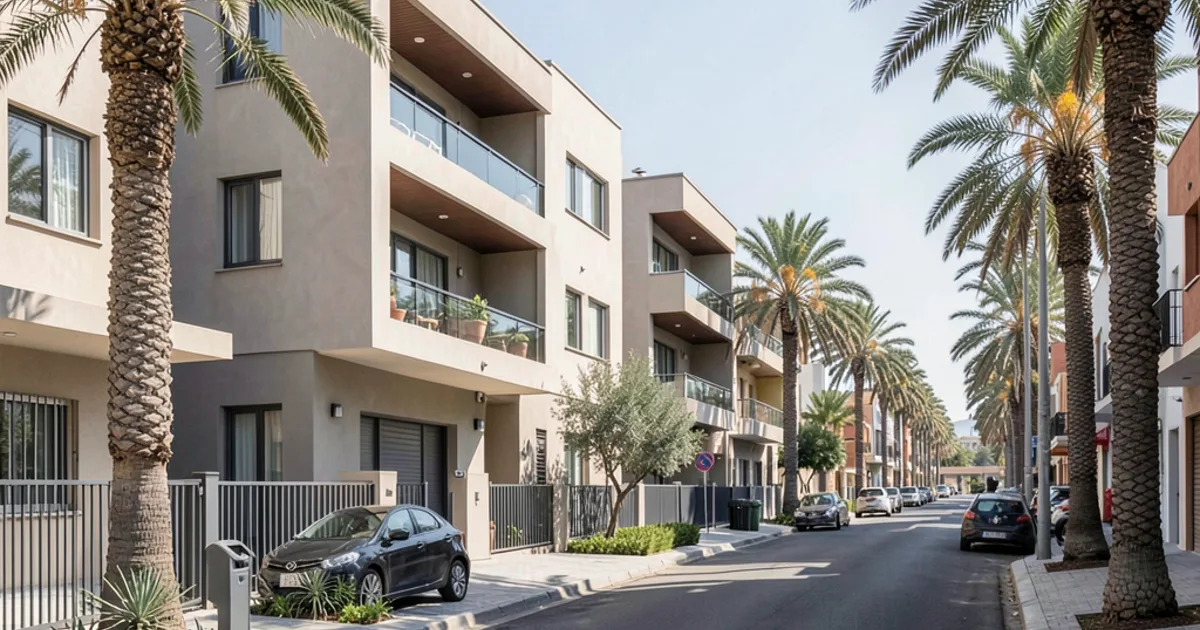
Acquiring real estate in Israel is a significant milestone that often represents a blend of lifestyle aspirations and long-term investment strategy. For international buyers, the process is characterized by a unique legal framework and a distinct set of cultural nuances that differ from European or American markets. This guide provides an in-depth exploration of everything a foreigner needs to know to navigate the complexities of the Israeli property market with confidence and legal security.
Quick answer: Foreigners can legally buy property in Israel before making Aliyah without needing to be a citizen or resident first. The process involves standard real estate transactions, though you should verify current tax implications and use a local attorney to handle the paperwork securely.
- Can Foreigners Legally Purchase Property in Israel?
- Understanding the Different Models of Property Ownership
- The Step-by-Step Acquisition Journey
- The Critical Role of the Tabu Land Registry
- Navigating Taxes: Mas Rekhisha and Beyond
- Financing Your Israeli Home: The Mashkanta
- Strategic Location Analysis: From Tel Aviv to Jerusalem
- Building Your Professional Support Team
- Post-Purchase Obligations and Maintenance
- Avoiding Common Pitfalls for International Buyers
- Integrating into the Local Community
Can Foreigners Legally Purchase Property in Israel?
The legal landscape regarding property ownership in Israel is generally open to foreign nationals, but the nuances of your residency status can influence your experience. Whether you are an individual looking for a vacation home or a person planning for Aliyah, the law allows for the acquisition of real estate. However, it is vital to distinguish between those who are acquiring property as residents and those who are investing as non-residents, as this distinction can affect certain tax implications and rights.
For many, the journey begins with the intention of making Aliyah, a process often supported by the Jewish Agency (Sokhnut). Those who hold Israeli citizenship or are in the process of obtaining it may find certain administrative paths smoother, particularly regarding government-subsidized housing or specific community benefits. Even without immediate citizenship, the ability to own land and buildings is a fundamental right that is protected under the local legal structure, provided all statutory requirements are met.
It is important to recognize that while the right to buy exists, the way you hold that property may depend on the type of land you are purchasing. Some lands are held under full ownership, while others are subject to long-term leases from the state or the Israel Land Authority. Understanding your specific legal standing from the outset will prevent many of the administrative hurdles that often catch international buyers by surprise during the closing stages of a transaction.
- Non-resident investors looking for secondary homes.
- Olim (new immigrants) establishing permanent residency.
- Foreign nationals seeking long-term leasehold options.
Understanding the Different Models of Property Ownership
In Israel, not all property is held in the same manner, and understanding the distinction between freehold and leasehold is paramount. Freehold property, often referred to as being registered in the Tabu, represents the highest form of ownership. This means you own the land and the structure upon it indefinitely, providing the most security for long-term holders and making the asset easier to leverage for financing.
Conversely, a significant portion of land in Israel is managed by the state or the Israel Land Authority. In these cases, buyers may enter into a long-term lease agreement rather than purchasing absolute ownership. While these leases can span many decades, they are essentially contractual arrangements that grant you the right to use and occupy the property, subject to certain conditions set by the governing authority. This model is common in many residential developments and newer urban areas.
Navigating these differences requires a meticulous review of the property's title before any funds are transferred. A professional must verify whether the property is truly 'Tabu-registered' or if it is part of a larger leasehold scheme. This distinction can impact your ability to sell the property in the future, the amount of tax you may owe, and the terms a bank will offer for a mortgage.
- Freehold (Tabu): Absolute ownership of land and building.
- Leasehold: Long-term usage rights granted by the state.
- State-managed land: Subject to specific regulatory frameworks.
The Step-by-Step Acquisition Journey
The process of buying a home in Israel follows a structured path that begins with the initial search and culminates in the formal transfer of title. Once a suitable property is identified, the negotiation phase begins, which is often more fluid than in many Western markets. However, the moment a price is agreed upon, the transaction moves toward a formal, legally binding stage that requires careful handling.
The most critical moment in the timeline is the signing of the binding memorandum, known locally as the 'Hozay Shov.' This document is the cornerstone of the transaction, outlining the purchase price, the payment schedule, and the conditions for closing. Once this is signed, the buyer is legally committed to the purchase, and the seller is committed to the sale, making the role of your legal counsel indispensable at this stage.
After the memorandum is signed, the process enters a period of due diligence and administrative preparation. This includes verifying all legal encumbrances, ensuring all municipal taxes are paid, and coordinating the transfer of funds. The final step is the official closing, where the ownership is recorded in the official registry, and the keys are handed over to the new owner.
- Property search and viewing.
- Negotiation and verbal agreement.
- Signing the binding memorandum (Hozay Shov).
- Due diligence and legal verification.
- Final closing and title transfer.
The Critical Role of the Tabu Land Registry
The Tabu is the official land registry of Israel, and it serves as the ultimate authority on property ownership and legal status. For any foreigner, the Tabu is the most important institution to interact with during the purchasing process. It is the central repository where all rights, liens, mortgages, and ownership claims are recorded, making it the primary tool for verifying that a seller truly has the right to sell the property.
A thorough search of the Tabu is a non-negotiable step in the due diligence process. A lawyer will request an updated extract from the registry to ensure there are no 'hidden' issues, such as an existing mortgage that hasn't been cleared, a legal dispute over the property, or a lien placed by a creditor. Without a clean extract from the Tabu, a buyer risks inheriting the legal problems of the previous owner.
It is also important to note that not all properties are updated in the Tabu immediately. Some newer developments or properties in specific areas may still be in the process of being registered. In such cases, the buyer must rely on secondary registries or municipal records, which adds a layer of complexity and requires even more rigorous legal scrutiny to ensure the chain of title is unbroken and secure.
Navigating Taxes: Mas Rekhisha and Beyond
Taxation is one of the most significant financial considerations for any property buyer in Israel. The primary tax encountered at the time of purchase is the Mas Rekhisha, or purchase tax. This is a progressive tax, meaning the rate increases as the value of the property rises. The exact amount you will pay depends heavily on whether the property is being classified as your primary residence or as an investment property.
For those purchasing a home to live in, there are often specific exemptions or lower tax brackets available, especially if the buyer is a first-time homeowner. However, for international investors or those buying a second home, the tax rates are typically higher. It is essential to plan your budget with these taxes in mind, as they are paid upfront and can represent a substantial portion of your initial acquisition costs.
Beyond the purchase tax, there is also the consideration of Mas Shevah, which is the capital gains tax applied when the property is eventually sold. While this is a future concern, it is a vital part of your long-term financial planning. Additionally, you must account for municipal taxes and other administrative fees that arise during the transfer process, ensuring that all financial obligations are accounted for from the start.
- Mas Rekhisha: Progressive purchase tax based on property value.
- Primary Residence vs. Investment: Different tax brackets apply.
- Mas Shevah: Capital gains tax upon future sale.
- Municipal taxes and administrative transfer fees.
Financing Your Israeli Home: The Mashkanta
For many buyers, securing a mortgage, known locally as a Mashkanta, is a central part of the acquisition strategy. The Israeli mortgage market is well-regulated, but it can present unique challenges for foreign nationals who do not have a local credit history or a steady income stream within the country. Banks will typically require a significant down payment from non-residents to mitigate the risk associated with international lending.
When applying for a Mashkanta, the bank will conduct an extensive review of your financial standing, including your assets, debts, and the stability of your income. They will also place a lien on the property itself, which is recorded in the Tabu. This means that the property serves as collateral for the loan, and the bank has a legal interest in the asset until the debt is fully satisfied.
It is wise to consult with financial advisors who understand both your home country's regulations and the Israeli banking system. Understanding the different types of interest rates, fixed, floating, or linked to inflation, is crucial, as inflation-linked mortgages can behave differently than expected in a fluctuating economy. A well-structured mortgage is a powerful tool, but only if you fully grasp the long-term implications of the repayment terms.
Strategic Location Analysis: From Tel Aviv to Jerusalem
Selecting the right location is perhaps the most subjective yet impactful decision in the real estate process. Tel Aviv, the economic and cultural heart of the country, offers a high-energy urban lifestyle with massive demand, which often translates to high property values and significant appreciation potential. However, the density and cost of living in Tel Aviv require a substantial budget and a preference for metropolitan life.
Jerusalem offers a completely different atmosphere, characterized by its profound historical and religious significance. The city attracts those looking for a sense of community and a connection to heritage. However, Jerusalem's real estate market can be complex due to unique zoning laws, historical preservation requirements, and a diverse range of neighborhoods that vary significantly in character and price.
For those seeking a balance of coastal lifestyle and modern amenities, cities like Netanya and Herzliya provide excellent options. Herzliya is known for its luxury developments and proximity to high-tech hubs, while Netanya offers a more relaxed, seaside atmosphere. Meanwhile, communities like Ramat Beit Shemesh are highly popular among families and those seeking a more structured, community-oriented environment, often catering to specific demographic needs.
- Tel Aviv: Urban, high-demand, high-value.
- Jerusalem: Historical, cultural, complex zoning.
- Herzliya/Netanya: Coastal, luxury, and lifestyle-oriented.
- Ramat Beit Shemesh: Community-focused and family-oriented.
Building Your Professional Support Team
Attempting to navigate the Israeli real estate market without professional assistance is a high-risk endeavor. The first and most critical professional you must engage is a specialized real estate lawyer. Unlike some jurisdictions where a lawyer might be optional, in Israel, a lawyer is essential for drafting the memorandum, conducting due diligence, and ensuring that the transfer of title is legally sound and protects your interests.
A notary also plays a vital role, particularly for international buyers. You will often need a notary to certify documents, powers of attorney, or signatures that will be used in Israeli legal proceedings. Since many documents may need to be signed in your home country, understanding the process of legalization and apostille is a necessary part of your preparation.
Finally, working with a reputable local real estate agency can significantly streamline your search. A local agent has access to the most current market data, understands the nuances of different neighborhoods, and can act as a bridge between you and the sellers. While the agent represents the transaction flow, your lawyer remains your primary advocate for legal protection.
- Real Estate Lawyer: Essential for legal protection and contract drafting.
- Notary: Required for official documentation and certification.
- Local Agency: Facilitates the search and market access.
Post-Purchase Obligations and Maintenance
Once the keys are in your hand, your responsibilities as a homeowner begin. One of the most immediate recurring costs is the Arnona, the municipal property tax. This tax is used to fund local services such as waste management, street lighting, and education. The amount of Arnona you pay is determined by the location of the property, the type of use (residential vs. commercial), and the size of the building.
In addition to municipal taxes, most apartment owners are part of a 'Va'ad Bayit,' or building committee. This committee manages the common areas of the building, such as elevators, hallways, and gardens. You will be required to pay a monthly fee to cover the maintenance and upkeep of these shared spaces. Being an active or informed member of the Va'ad is important to ensure that the building is well-maintained and that funds are managed transparently.
Long-term maintenance of the property itself is also your responsibility. This includes everything from routine repairs to larger structural issues that may arise over time. For international owners who may not be present year-round, it is often practical to establish a relationship with a local property management service to oversee these tasks and ensure the property remains in good condition.
Avoiding Common Pitfalls for International Buyers
The Israeli real estate market, while rewarding, is not without its pitfalls. One of the most common issues is the discovery of undisclosed structural or legal defects after the purchase has been finalized. This is why the due diligence phase, specifically the review of the Tabu and the building's permits, must be exhaustive. Never rely solely on the verbal assurances of a seller; always insist on documentary proof.
Zoning and building permit discrepancies can also cause significant headaches. It is not uncommon to find that a balcony, a basement, or an additional room was constructed without the proper municipal authorization. Such discrepancies can lead to fines or even orders to demolish the unauthorized structures. Ensuring that the physical reality of the property matches the official municipal blueprints is a crucial step.
Finally, foreign buyers should be mindful of currency fluctuations. Since you are likely managing funds in a foreign currency and purchasing in Israeli Shekels, the exchange rate can impact your total cost and your mortgage capacity. It is prudent to work with financial experts to hedge against these risks and to ensure that your budget remains stable throughout the transaction process.
Integrating into the Local Community
Buying a home is about more than just bricks and mortar; it is about finding your place in a new society. For many foreigners, the transition to Israeli life involves a significant learning curve, particularly regarding the language. Enrolling in an Ulpan, a Hebrew language school, is one of the most effective ways to not only learn the language but also to connect with other newcomers and understand the local culture.
Navigating the local bureaucracy can also be a challenge. From setting up utility accounts to registering with local authorities, the administrative landscape requires patience and persistence. Building a local network of professionals, lawyers, accountants, and even helpful neighbors, can provide the guidance needed to navigate these systems more effectively.
Ultimately, the goal of many buyers is to integrate into the vibrant and diverse fabric of Israeli society. Whether you are moving to a bustling city like Tel Aviv or a tight-knit community in the periphery, engaging with local traditions, holidays, and social structures will make your new home feel truly yours. The transition may be complex, but the sense of belonging that comes with it is often the greatest reward of all.
FAQ
Can I buy property in Israel without being a citizen?
Yes, foreign nationals can legally purchase property in Israel. However, your residency status and whether you are an investor or a future resident can impact your tax obligations and the types of financing available to you.
What is the importance of the Tabu?
The Tabu is the official land registry that proves ownership and records legal encumbrances. Verifying a property through the Tabu is the only way to ensure the seller has a clear title and that there are no hidden liens or mortgages.
Do I need a local bank account to buy a house?
While not strictly required for the purchase itself, having a local bank account is highly recommended. It simplifies the transfer of funds, the payment of municipal taxes like Arnona, and the management of any local mortgage or utility bills.
How much tax should I expect to pay?
You will primarily encounter the Mas Rekhisha (purchase tax), which is a progressive tax based on the property's value. The exact rate depends on whether the property is your primary residence or an investment, so professional tax advice is essential.
Is a lawyer mandatory in the Israeli real estate process?
While you can technically proceed without one, it is strongly advised that you hire a specialized real estate lawyer. They are vital for conducting due diligence, drafting the binding memorandum, and protecting your legal interests during the transaction.
Get your personalised shortlist
Listings and up-to-date info, straight to your inbox, free, no obligation.
Get my shortlist →