Aliyah home builder israel
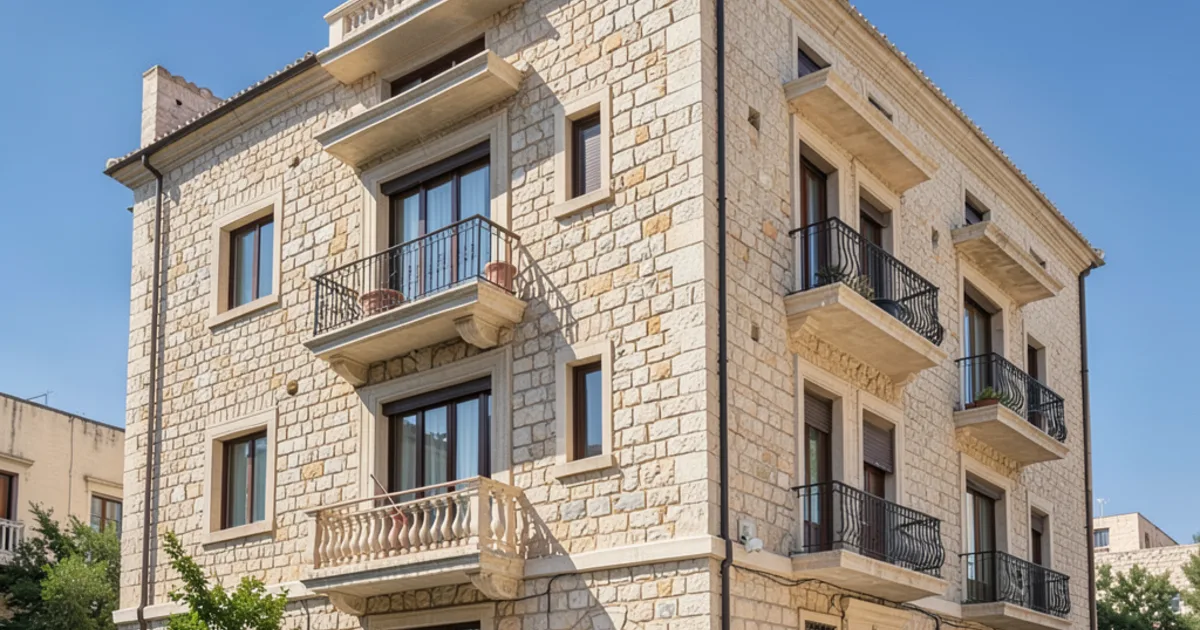
Making Aliyah is a profound life transition, and securing a permanent residence is often the most significant milestone in that journey. For many newcomers, the search for an 'aliyah home builder in Israel' is not just about finding a contractor, but about navigating a sophisticated ecosystem of developers, legal frameworks, and municipal regulations. This guide provides a comprehensive roadmap to help you understand the nuances of the Israeli property market, from the initial blueprint to the final handover of the keys.
Quick answer: Custom home builders in Israel specialize in designing and constructing bespoke residential properties tailored to specific client requirements. These professionals manage the entire building process, from architectural planning and local regulatory compliance to high-end construction and finishing.
- Understanding the Concept of an Aliyah Home Builder in Israel
- Navigating the Israeli Real Estate Landscape for Newcomers
- The Construction Process: From Blueprints to Handover
- Key Locations for Olim: Jerusalem, Tel Aviv, and Beyond
- Financial Realities: Taxes, Mortgages, and Hidden Costs
- The Role of Professionals: Lawyers, Notaries, and Architects
- Legal Frameworks: The Tabu and the Binding Memorandum
- Managing the Transition: Logistics of Moving and Setting Up
- Common Pitfalls in Israeli Property Development
- Building vs. Buying: Which Path Suits Your Aliyah?
- Integrating into Your New Neighborhood
Understanding the Concept of an Aliyah Home Builder in Israel
When newcomers search for a home builder in Israel, they are often looking for one of two distinct paths. The first involves working with a large-scale developer who constructs entire residential complexes or neighborhoods. These developers manage everything from land acquisition to the final sale of individual apartments, offering a more streamlined but less customizable experience.
The second path involves custom residential construction, where an individual hires an architect and a private contractor to build a bespoke home on a specific plot of land. This route offers unparalleled control over design and materials but requires a much higher level of personal oversight and technical knowledge. For many Olim, the choice between these two methods depends on their long-term budget and how much involvement they wish to have in the granular details of construction.
It is also important to recognize that the term 'home builder' in the context of Aliyah often extends beyond physical construction. Many successful Olim utilize advisory services that act as a bridge between their international lives and the local Israeli market. These advisors help coordinate between various professionals, ensuring that the transition from a foreign property to an Israeli home is as seamless as possible.
Ultimately, whether you are purchasing a unit in a new development or breaking ground on a private villa, understanding the scale of the project is vital. Large developers provide the security of established infrastructure, while private builders offer the intimacy of a custom-designed sanctuary. Both paths require a deep understanding of local building codes and the ability to manage expectations regarding timelines and finishes.
- Large-scale residential developers (Complexes and neighborhoods)
- Private contractors and architects (Bespoke custom homes)
- Advisory-led construction management (Full-service Aliyah support)
Navigating the Israeli Real Estate Landscape for Newcomers
The Israeli real estate market is characterized by its diversity and its intense localized demand. From the high-energy, cosmopolitan atmosphere of Tel Aviv to the spiritual and historical corridors of Jerusalem, every region offers a different lifestyle and price point. For a new immigrant, understanding these regional dynamics is the first step toward making an informed decision.
In major urban centers like Tel Aviv or Herzliya, the market is often dominated by high-density luxury apartments and urban renewal projects. These areas are highly sought after due to their economic vitality and proximity to tech hubs, but they also demand a significant financial commitment. Newcomers must weigh the benefits of being in the heart of the action against the higher costs and more competitive bidding environments.
Conversely, areas like Netanya or the growing communities in the periphery offer a different pace of life. These locations are often more family-oriented and may provide more space for the same investment compared to the center of the country. For those looking to build a custom home, the periphery often provides more accessible land options, though it may require a longer commute to major employment centers.
Ramat Beit Shemesh serves as a unique case study for Olim, offering a high concentration of English-speaking communities and specialized infrastructure. This area has seen significant development, making it a primary target for those seeking a community-centric environment. Navigating these varied landscapes requires more than just a budget; it requires a strategic understanding of how each location aligns with your social and professional goals.
The Construction Process: From Blueprints to Handover
The journey of building a home in Israel begins long before the first stone is laid. It starts with the architectural design phase and, more importantly, the acquisition of building permits from the local municipality (Iriya). Obtaining these permits can be a complex process involving various municipal departments, and it is essential to account for potential bureaucratic delays in your timeline.
Once permits are secured, the construction moves through several distinct stages: excavation, foundation work, the structural shell, and finally, the finishing stages. The structural shell phase is a critical milestone where the primary skeleton of the building is completed. At this stage, many buyers choose to conduct site visits to ensure the structural integrity meets the agreed-upon specifications.
The finishing stage is where the character of the home truly emerges, involving plumbing, electrical work, tiling, and painting. This is often the most variable phase in terms of time and cost, as it depends heavily on the selection of materials and the availability of skilled labor. It is highly recommended to have a professional inspector or an architect oversee these stages to prevent costly errors.
The final step is the handover, which should only occur after a thorough inspection of the property. In Israel, there are specific standards for what constitutes a finished home, and you should ensure that all systems are fully operational before signing off. Managing this process requires patience, as the transition from a construction site to a livable home is rarely a linear path.
- Architectural design and municipal permit acquisition
- Structural phase (The 'Shell' or 'Gev')
- Finishing phase (Electrical, plumbing, and aesthetics)
- Final inspection and formal handover
Key Locations for Olim: Jerusalem, Tel Aviv, and Beyond
Jerusalem remains a cornerstone for many making Aliyah, offering a unique blend of historical significance and deep religious connection. The city features a wide array of neighborhoods, ranging from the high-end, modern developments in western Jerusalem to the more traditional and community-focused areas. For those seeking a home that reflects their spiritual values, Jerusalem provides an unparalleled sense of place.
Tel Aviv and the surrounding coastal strip, including Herzliya, represent the modern, secular, and economic heart of Israel. This region is ideal for professionals working in the high-tech sector or those who crave a Mediterranean lifestyle characterized by beaches and vibrant nightlife. While the cost of living is higher here, the infrastructure and international connectivity are among the best in the country.
Netanya offers a middle ground, providing a coastal lifestyle that is often more accessible to families and retirees. It features a mix of modern high-rises and quieter residential areas, making it a versatile choice for different demographics. The city has a well-established community and provides a high quality of life without the extreme density found in the Tel Aviv metropolitan area.
For many Olim, the choice of location is heavily influenced by the existing community infrastructure. Whether it is proximity to a specific synagogue, an English-speaking school, or a community center, the 'vibe' of a neighborhood is often as important as the house itself. Researching the local social fabric is just as critical as researching the structural quality of the building.
Financial Realities: Taxes, Mortgages, and Hidden Costs
Understanding the financial landscape is vital to avoid unexpected strain on your budget. One of the most significant immediate costs is the Mas Rekhisha, or purchase tax. This tax is tiered based on the value of the property and whether the home is being purchased as a primary residence or as an investment. It is essential to calculate this early, as it is an additional cost on top of the property price.
If you are selling a property abroad to fund your Israeli home, you must also be aware of Mas Shevah, the capital gains tax. While the rules for foreign residents can vary, understanding the tax implications of moving capital into Israel is a key part of financial planning. Additionally, ongoing costs such as Arnona (municipal property tax) must be factored into your monthly budget.
Financing a home in Israel typically involves a Mashkanta, or mortgage. The Israeli mortgage market operates differently than in many Western countries, often involving different interest rate structures and repayment terms. It is important to work with financial advisors who can explain how interest rates will affect your long-term stability and how to structure your loan to minimize risk.
Beyond the purchase price and taxes, there are several 'hidden' costs that can accumulate. These include legal fees for your lawyer, notary fees for document authentication, and the Va'ad Bayit, which are the monthly maintenance fees for apartment buildings. Being prepared for these supplementary expenses will ensure that your transition to Israeli homeownership is not marred by financial surprises.
- Mas Rekhisha (Purchase Tax) tiers
- Mas Shevah (Capital Gains Tax) considerations
- Mashkanta (Mortgage) structures and interest rates
- Arnona (Municipal Tax) and Va'ad Bayit (Maintenance)
The Role of Professionals: Lawyers, Notaries, and Architects
In the Israeli real estate market, professional guidance is not a luxury; it is a necessity. A qualified lawyer is perhaps the most important person on your team. Their primary role is to review the binding memorandum (the contract) to ensure that your interests are protected and that the property's title is clear of any encumbrances or legal disputes.
A notary plays a crucial role in the administrative side of the process, particularly when dealing with international documentation. For Olim, a notary is often required to authenticate documents from their home country to ensure they are legally recognized by Israeli institutions like the Tabu or the banks. This step is essential for the smooth movement of funds and the legal transfer of property.
If you are pursuing a custom build, an architect becomes your primary advocate. They translate your vision into technical drawings that comply with local building codes and municipal regulations. A good architect does more than just design; they also act as a project manager, ensuring that the contractor adheres to the specified quality and timeline.
Finally, real estate advisors or local agencies can provide the boots-on-the-ground intelligence needed to find the right property. They can offer insights into neighborhood trends, upcoming developments, and the true 'feel' of a street. While you can search online, the most valuable information often comes from local professionals who understand the nuances of the Israeli market.
Legal Frameworks: The Tabu and the Binding Memorandum
The Tabu is the official land registry in Israel, and it is the ultimate authority on property ownership. Before committing to any purchase, it is imperative to verify that the seller is indeed the registered owner in the Tabu. A property that is not properly registered in the Tabu can lead to significant legal complications and may even make it impossible to secure a mortgage.
The binding memorandum, or the contract of sale, is the legal document that governs the entire transaction. This document outlines the price, the payment schedule, the handover date, and the responsibilities of both the buyer and the seller. It is vital that this memorandum is drafted or reviewed by a lawyer to ensure it includes necessary protections, such as clauses regarding delays or construction defects.
Due diligence regarding the property's legal status should include checking for any existing liens, mortgages, or legal claims against the land. In some cases, properties may be subject to complex ownership structures or communal rights that need to be clearly defined in the contract. A lawyer will perform these checks to ensure you are entering into a clean and secure transaction.
Understanding the intersection of the Tabu and the contract is key to a successful purchase. While the contract dictates the terms between you and the seller, the Tabu registration is what officially secures your rights against the rest of the world. Ensuring that the registration process is completed promptly after the sale is a critical final step in the legal journey.
Managing the Transition: Logistics of Moving and Setting Up
The transition to an Israeli home involves much more than just moving furniture. It requires a coordinated effort to manage your life in your home country while simultaneously setting up your new life in Israel. This often involves a 'gap period' where you may need temporary housing while your permanent residence is being finished or renovated.
Setting up essential services is a priority once you arrive. This includes everything from electricity and water to internet and local municipal services. Navigating these bureaucratic steps in a new language can be daunting, so many Olim find it helpful to have a checklist or a local contact to guide them through the initial setup of their household.
Integration into the local community is often facilitated by educational and social institutions. For many families, the local school system and nearby community centers are the primary drivers of social connection. Attending an Ulpan (Hebrew language school) can also be a vital part of this process, providing not just language skills but also a social network of fellow newcomers.
Managing the logistics of an international move requires careful timing, especially if you are coordinating with a construction schedule. If your new home is still under construction, you must have a contingency plan for where you will reside. A well-organized transition minimizes the stress of Aliyah and allows you to focus on the excitement of your new beginning.
Common Pitfalls in Israeli Property Development
One of the most common mistakes in the Israeli construction market is underestimating the timeline. Construction projects, particularly custom builds, are frequently subject to delays caused by weather, labor shortages, or municipal permit issues. It is vital to build a significant buffer into your moving plans to avoid being caught without a home.
Another pitfall is the failure to conduct thorough due diligence on the quality of construction. In the rush to complete projects, some contractors may cut corners on materials or finishing. This is why hiring independent inspectors to check the structural shell and the final finishes is an essential safeguard for your investment.
Misunderstanding local zoning laws and municipal regulations can also lead to significant problems. A plot of land that looks perfect might have restrictions on the height of the building or the type of construction allowed. Always verify the specific building rights (Zikuyim) for a property through the local municipality before making an offer.
Finally, many newcomers fail to account for the full scope of financial obligations. Beyond the purchase price, the costs of legal fees, taxes, and immediate renovations can add up quickly. A comprehensive budget that includes a contingency fund for unforeseen expenses is the best way to protect your financial health during this transition.
Building vs. Buying: Which Path Suits Your Aliyah?
Deciding whether to build a custom home or buy an existing one is a pivotal decision. Building offers the advantage of a home tailored exactly to your lifestyle, from the layout of the rooms to the specific quality of the kitchen. However, it demands much more time, energy, and technical oversight, and the final cost can be difficult to predict with total certainty.
Buying an existing home or a unit in a new development offers more predictability. You know exactly what you are getting, the timeline is usually clearer, and the process is often much faster. This is an ideal path for Olim who want to settle into their new country quickly and with minimal stress. However, you may have to compromise on certain design elements or layout preferences.
For those with a mid-range approach, purchasing a home that requires renovation can be a strategic choice. This allows you to acquire a property in a desirable location at a lower entry price and then customize it to your tastes. This path requires a balance of real estate knowledge and an understanding of construction costs to ensure the renovation adds value rather than just expense.
Ultimately, your decision should be based on your personal timeline, your budget, and your tolerance for project management. If you view the home as a creative project and have the resources to manage it, building may be rewarding. If you view the home as a foundation for your new life that needs to be established quickly, buying is likely the wiser choice.
Integrating into Your New Neighborhood
A home is more than just four walls; it is the center of your social life. When choosing a location, it is important to look beyond the physical structure and consider the community (Kehilla) that surrounds it. In Israel, the sense of community can be very strong, and being part of a neighborhood that shares your values can significantly ease your integration.
Consider the proximity to essential services that support your lifestyle. This includes schools, synagogues, grocery stores, and healthcare facilities. For families, the quality and distance of local schools are often the most important factors. For retirees, proximity to medical centers and quiet, walkable streets may take precedence.
Evaluating the 'vibe' of a neighborhood is a subjective but essential task. Some areas are bustling and energetic, while others are quiet and residential. Visiting a neighborhood at different times of the day and week can provide a realistic sense of the noise levels, traffic, and general atmosphere. This helps ensure that your new home aligns with your daily habits.
Long-term residency also requires thinking about the future growth of an area. Is the neighborhood seeing new investment and development, or is it stagnant? Understanding the local municipal plans for the area can give you confidence that your home will remain a desirable place to live for many years to come.
FAQ
What is the difference between a developer and a private builder in Israel?
A developer typically builds large-scale residential complexes and sells individual apartments, offering more predictability. A private builder (contractor) works with an architect to create a custom, bespoke home on a specific plot of land, offering more control but higher complexity.
Can I get a mortgage (mashkanta) as a new immigrant?
Yes, it is possible to secure a Mashkanta in Israel, but the terms and requirements may vary depending on your residency status and financial history. It is highly recommended to consult with an Israeli financial advisor to understand the best interest rate structures for your situation.
Do I need a lawyer for every real estate transaction in Israel?
While not strictly mandatory by law, it is practically essential to have a lawyer for any real estate transaction. A lawyer protects your interests by reviewing the binding memorandum, performing due diligence on the title, and ensuring the legal transfer of ownership is handled correctly.
Get your personalised shortlist
Listings and up-to-date info, straight to your inbox, free, no obligation.
Get my shortlist →