Finding a family-friendly home in Ramat Beit Shemesh: an olim guide
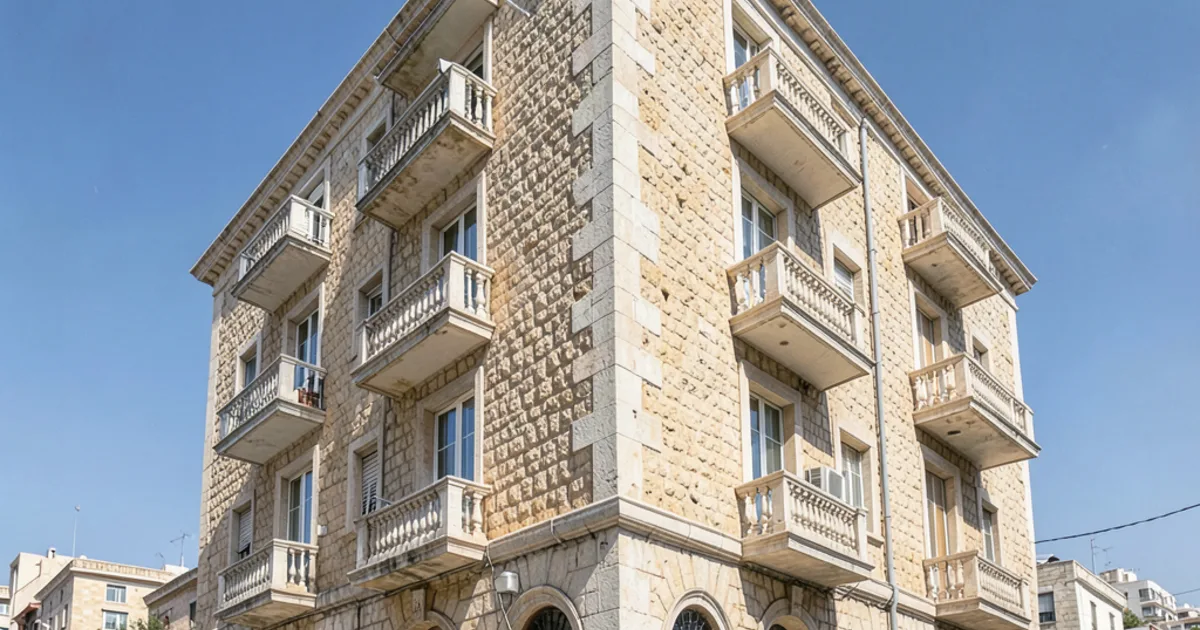
For many English-speaking families making Aliyah, finding a place that balances spiritual life, community warmth, and modern convenience is a top priority. Ramat Beit Shemesh has emerged as a premier destination for Olim seeking a vibrant, English-speaking environment without sacrificing proximity to the center of the country. This guide provides an in-depth look at the nuances of living, renting, and buying in this unique city, helping you make informed decisions for your family's future.
- The unique appeal of Ramat Beit Shemesh for English-speaking Olim
- Decoding the neighborhoods: Finding your community fit
- Navigating the rental market: Strategies for newcomers
- The path to ownership: Understanding the Israeli real estate process
- Financing your home: An overview of Mashkanta and banking
- Essential legal concepts: From Tabu to the binding memorandum
- Schooling and social integration: Building a life for your children
- Managing the monthly costs: Arnona, maintenance, and more
- Infrastructure and logistics: Living with the city's growth
- Final checklist for a successful transition
The unique appeal of Ramat Beit Shemesh for English-speaking Olim
Ramat Beit Shemesh is not merely a residential suburb; it is a thriving ecosystem specifically tailored to the needs of diverse religious communities. For many Olim, the primary draw is the sheer density of English speakers, which eases the transition during those first critical months of Aliyah. This linguistic comfort extends beyond simple conversation, influencing local services, community programming, and even the availability of specific consumer goods. Finding a community where you can communicate easily while learning Hebrew is a significant advantage for new immigrants.
The city offers a unique demographic blend that allows families to find a niche that matches their specific level of religious observance. Whether you are looking for a more modern religious atmosphere or a more traditional setting, the city's various neighborhoods provide these options. This diversity ensures that families do not feel isolated but rather part of a broader, multifaceted community. It is this ability to find 'your people' that makes the city a magnet for those relocating from North America, the UK, and other English-speaking nations.
Geographically, the city holds a strategic position that many Olim find indispensable. Being situated near Jerusalem offers easy access to the holy sites and the cultural heartbeat of Israel, while still maintaining a sense of independent urban growth. The city is constantly expanding, which means new infrastructure, schools, and shopping centers are frequently being integrated into the landscape. This growth provides a sense of momentum and opportunity that is highly attractive to families looking to plant long-term roots.
However, it is important to approach this growth with a balanced perspective. While the expansion brings new amenities, it also brings the growing pains typical of any rapidly developing urban area. Understanding the rhythm of the city, from its peak religious holidays to its construction cycles, is part of the learning curve for every new resident. By approaching the city with both enthusiasm and a realistic understanding of its development, Olim can find a home that truly feels like a sanctuary.
Decoding the neighborhoods: Finding your community fit
Selecting a neighborhood in Ramat Beit Shemesh is perhaps the most critical decision an Olim family will make. Each area carries its own distinct 'vibe,' social norms, and demographic profile. Some neighborhoods are characterized by older, more established buildings and a very high density of English-speaking residents, making them feel almost like an extension of an overseas community. Other areas are newer, featuring modern architecture and larger apartment layouts, which may appeal to families seeking more space and contemporary amenities.
When evaluating a neighborhood, you must look beyond the physical structure of the home and consider the social infrastructure. This includes the proximity to local synagogues, the type of schools available, and the general walking distance to communal hubs. A neighborhood that feels perfect on a Tuesday afternoon might feel very different during a major Jewish holiday or a Friday afternoon. It is always wise to spend time walking the streets at different times of the day to get a true sense of the local atmosphere.
For those prioritizing newer construction and more spacious living, certain outlying developments or newer sectors may be more suitable. These areas often feature larger balconies and modern building standards, which can be a significant draw for families coming from larger homes abroad. However, these areas may also be further from the central commercial hubs, requiring more planning for daily errands and transportation. The trade-off between space, modernity, and central community access is a central theme in your search.
- Aleph neighborhoods: Generally more established with a strong, concentrated English-speaking presence.
- Gimmel and Daled sectors: Often characterized by newer developments and more modern apartment designs.
- Neve Shamir and surrounding areas: Niche communities that may cater to specific religious demographics.
- Proximity to schools: A vital factor for families with young children or those in the school-selection phase.
Navigating the rental market: Strategies for newcomers
The rental market in Ramat Beit Shemesh is famously competitive, driven by high demand from both local residents and the constant influx of Olim. For a newcomer, securing a suitable rental requires both speed and a high degree of organization. It is common for well-priced apartments in desirable neighborhoods to be snapped up very quickly. Therefore, having your documentation ready and being prepared to make a decision promptly is essential to avoid missing out on the right home.
When searching for a rental, it is helpful to utilize a combination of local English-language community boards, social media groups, and local agencies. While many rentals are advertised through word-of-mouth within the community, formal agencies can provide a more structured search process. It is important to remember that many landlords may prefer tenants who already have a local connection or a guarantor, so building a local network early can be a significant advantage in your search for 'Skhirut' (renting).
Once you find a property that meets your needs, the inspection process is vital. Do not rely solely on photographs; always view the property in person to check for issues like moisture, noise levels, and the condition of appliances. Furthermore, ensure that the rental contract is reviewed by a professional to protect your rights as a tenant. A well-drafted contract should clearly outline responsibilities regarding maintenance, utility payments, and the terms of the security deposit.
- Prepare all necessary documentation (ID, proof of income, etc.) in advance.
- Join local community social media groups to find 'off-market' listings.
- Always conduct a physical walkthrough of the property before signing.
- Ensure the rental agreement (Skhirut) is clear on maintenance and utility responsibilities.
The path to ownership: Understanding the Israeli real estate process
Transitioning from renting to owning property in Israel is a significant milestone that involves a complex series of legal and financial steps. Unlike some other countries, the process in Israel is highly regulated and requires a deep understanding of local terminology and procedures. The journey begins with a serious search, but it quickly moves into the realm of legal verification and formal agreements. It is essential to view this as a marathon rather than a sprint to ensure every detail is handled correctly.
One of the first steps in the purchasing process is verifying the legal status of the property. This involves checking the Tabu (the official land registry) to ensure that the seller has the legal right to sell the property and that there are no undisclosed liens or encumbrances against it. Any discrepancy found in the Tabu can lead to significant legal complications, which is why professional verification is a non-negotiable part of the process for any serious buyer.
Once a property is identified and the price is agreed upon, the process moves toward the signing of the binding memorandum (Hovan). This document is the cornerstone of the transaction, outlining the purchase price, the payment schedule, and the conditions under which the sale can be completed. Because this document is legally binding, it is imperative that it is drafted and reviewed by a qualified lawyer who specializes in Israeli real estate law to protect your interests.
The closing process involves several stages, including the payment of various taxes and the final transfer of ownership. This is not merely a matter of handing over funds; it is a coordinated effort between lawyers, the municipality, and the land registry. For Olim, this can be particularly stressful due to the language barrier and the unfamiliarity with the bureaucratic steps. Taking the time to understand each stage of the process will help reduce anxiety and ensure a smoother transition into homeownership.
Financing your home: An overview of Mashkanta and banking
For most Olim families, purchasing a home involves securing a 'Mashkanta' (a mortgage) from an Israeli bank. The mortgage market in Israel has its own unique structure, including different types of interest rates and repayment terms that may not be familiar to those coming from abroad. Understanding the difference between fixed-rate and variable-rate mortgages is crucial, as the choice you make today will have long-term implications for your monthly budget and your overall financial stability.
Securing a mortgage as a new immigrant can sometimes present challenges, particularly regarding the assessment of income and credit history. Banks in Israel will look for stability and a clear understanding of your ability to meet the repayment obligations. It is often beneficial to begin the conversation with financial institutions early in your relocation process, as building a relationship with a local bank can facilitate the mortgage approval process when you are finally ready to buy.
It is also important to consider the total cost of acquisition, which extends far beyond the purchase price of the home. You must factor in the down payment, various taxes, legal fees, and the costs associated with moving and initial renovations. A well-planned budget should account for these 'hidden' costs to ensure that you are not overleveraged at the time of purchase. Consulting with a financial advisor who understands the needs of Olim can provide valuable guidance in navigating these complexities.
Essential legal concepts: From Tabu to the binding memorandum
Navigating the legal landscape of Israeli real estate requires familiarity with several key terms and concepts. As mentioned previously, the 'Tabu' is the official registry where all land ownership is recorded. Ensuring that a property is correctly registered in the Tabu is the most fundamental step in protecting your investment. Without this registration, your claim to the property may not be legally recognized by the state or third parties.
Another critical component of the transaction is the 'Mas Rekhisha' (purchase tax). This is a tax levied by the state on the acquisition of real estate, and the amount you owe is typically determined by the purchase price and your status as a buyer (for example, whether it is your first residential property). It is vital to calculate this tax accurately in your initial budget, as it can represent a substantial sum that must be paid during the closing process.
In addition to purchase taxes, you should be aware of 'Mas Shevah' (capital gains tax), which applies when a property is sold. While this is more relevant to sellers, understanding how it works is important for your long-term financial planning as a homeowner. Furthermore, the role of a 'Notary' may arise in certain transactions, particularly regarding the authentication of documents or certain types of legal declarations required during the closing stages.
Finally, the 'binding memorandum' (Hovan) acts as the formal contract that seals the deal. It is much more than a simple receipt; it is a comprehensive legal document that dictates the rights and obligations of both the buyer and the seller. Because the consequences of a poorly drafted memorandum can be severe, never sign such a document without the explicit approval and guidance of your legal counsel.
- Tabu: The official land registry that confirms legal ownership.
- Mas Rekhisha: The purchase tax calculated based on property value and buyer status.
- Mas Shevah: Capital gains tax applicable upon the sale of a property.
- Hovan: The binding memorandum that serves as the formal purchase contract.
- Notary: A legal professional used to authenticate documents and declarations.
Schooling and social integration: Building a life for your children
For Olim families, the school system is often the primary driver behind their choice of residence. Ramat Beit Shemesh is renowned for its strong educational infrastructure, offering various options that cater to different religious and educational philosophies. Many families prioritize proximity to specific schools to ensure their children can walk to class and participate in the local community's rhythm. This makes the school's location a central factor in your neighborhood selection.
Integration into the community often begins in the classroom. As children interact with their peers, they not only learn Hebrew in a natural setting but also build the social networks that will support the entire family. It is helpful to look for communities that offer robust extracurricular programming, such as youth movements or local clubs, which can provide additional avenues for social connection. These programs are often the 'glue' that holds the local community together.
For the parents, the 'Ulpan' (intensive Hebrew language school) is a vital resource. While the children may integrate relatively quickly through social immersion, the parents often need more structured support to navigate daily life, from medical appointments to interacting with local authorities. Many Olim find that participating in community-led Hebrew learning or social groups helps bridge the gap between being a newcomer and becoming a settled resident.
Managing the monthly costs: Arnona, maintenance, and more
Once you have settled into your home, you must become accustomed to the various recurring costs associated with living in Israel. One of the most significant is 'Arnona,' the municipal property tax. This tax is based on the size and location of your property and is paid to the local municipality. It is important to understand how Arnona is calculated in Ramat Beit Shemesh, as rates can vary depending on the type of property and its usage.
In addition to municipal taxes, residents of apartment buildings are responsible for 'Va'ad Bayit' (building committee fees). These fees cover the maintenance of common areas, such as elevators, hallways, lighting, and sometimes even water services or cleaning. A well-managed Va'ad Bayit is essential for maintaining the value and cleanliness of your building, but it is also a recurring expense that should be factored into your monthly household budget.
Other costs to consider include utility bills (electricity, water, and gas) and any community-specific fees. In some religious communities, there may be additional contributions for local communal services or synagogue upkeep. Being proactive in managing these expenses and understanding the billing cycles will help you maintain financial stability as you integrate into your new home.
- Arnona: The mandatory municipal property tax.
- Va'ad Bayit: Monthly fees for the maintenance of common building areas.
- Utilities: Regular costs for electricity, water, and gas services.
- Community Contributions: Potential fees for local religious or social services.
Infrastructure and logistics: Living with the city's growth
Living in a rapidly growing city like Ramat Beit Shemesh brings certain logistical challenges, particularly regarding transportation and traffic. As the population increases, the existing road networks can experience significant congestion during peak commuting hours. For families who rely on cars, understanding the traffic patterns and planning trips accordingly is a necessary part of daily life. It is also worth investigating the availability of local carpooling networks within the English-speaking community.
Public transportation is an evolving aspect of the city. While bus services connect various neighborhoods and provide links to Jerusalem and other major hubs, the frequency and reliability can vary. For many Olim, learning the local bus routes and using transportation apps becomes a key skill for maintaining independence. As the city continues to develop, improvements to public transit are expected, but current residents should plan with some flexibility in mind.
The expansion of the city also means that new commercial zones, shopping centers, and medical facilities are constantly being established. While this provides convenience, it can also mean that certain areas are subject to noise or construction for extended periods. Staying informed through local news and municipal announcements can help you anticipate these changes and adjust your daily routines to minimize disruption.
Final checklist for a successful transition
A successful transition to life in Ramat Beit Shemesh requires a combination of practical preparation and emotional resilience. Start by building a local support network as early as possible. This might mean joining community groups, attending local events, or simply introducing yourself to neighbors. The strength of the English-speaking community is one of its greatest assets, and being an active participant will significantly ease your integration.
Be patient with yourself and your family during the first year. Moving to a new country and a new city is a profound life change that involves navigating new laws, a new language, and a new culture. There will be moments of frustration and learning curves, but these are part of the natural process of making a new place your home. Approaching these challenges with a sense of humor and a long-term perspective will serve you well.
Finally, always prioritize professional advice for significant life decisions. Whether you are signing a rental agreement, purchasing a home, or navigating complex tax laws, the cost of professional guidance is far lower than the cost of a mistake. By combining your personal research with the expertise of qualified professionals, you can build a secure and happy future for your family in Ramat Beit Shemesh.
FAQ
Is Ramat Beit Shemesh a good place for English speakers?
Yes, Ramat Beit Shemesh is one of the most prominent English-speaking hubs in Israel. It offers a unique environment where many services and social interactions are conducted in English, making it much easier for Olim to integrate.
Get your personalised shortlist
Listings and up-to-date info, straight to your inbox, free, no obligation.
Get my shortlist →