Custom home for new olim israel
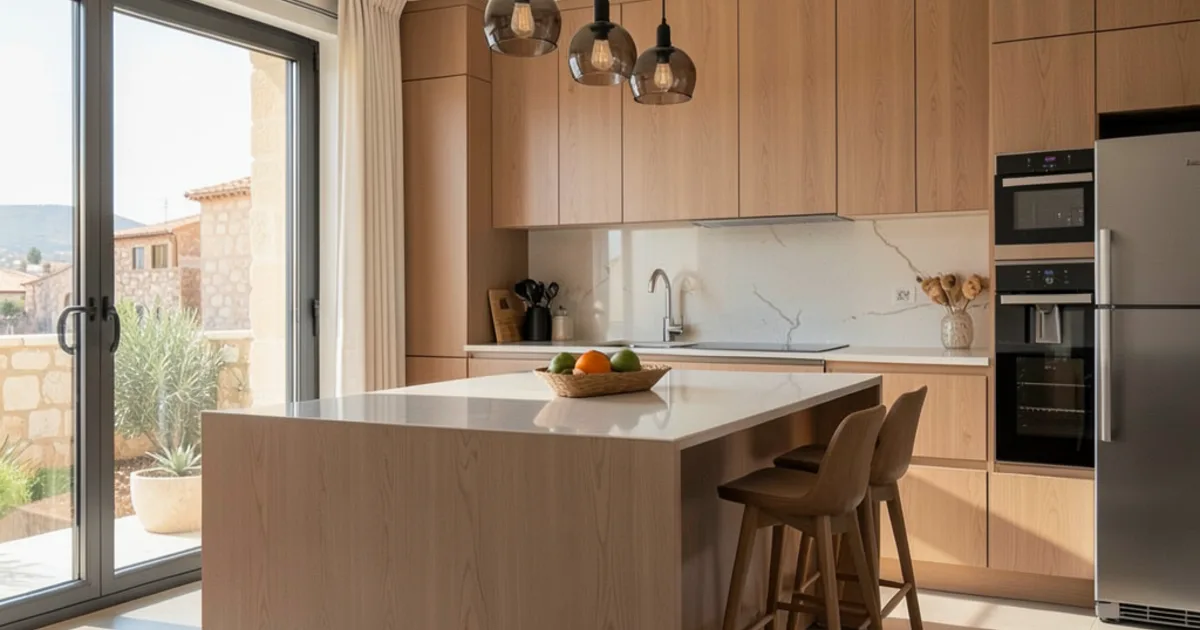
Relocating to Israel is a life-altering decision, and finding the right home is the cornerstone of a successful Aliyah. For many new Olim, a standard apartment in a high-rise may not meet the specific lifestyle, cultural, or family requirements they envision for their future. This guide explores the intricate process of securing a custom home in Israel, from navigating the legal complexities of the Tabu to choosing the right location and managing the construction process.
Quick answer: Building a custom home in Israel as a new Oleh involves selecting a prime location, working with specialized architects, and navigating local construction regulations. Aliyah Homes provides tailored residential solutions designed to meet the specific needs and lifestyle requirements of new immigrants settling in Israel.
- Defining the Dream: What a Custom Home Means for New Olim
- Strategic Location Selection: Balancing Lifestyle and Long-term Value
- The Two Paths: Buying an Existing Property vs. Building from Scratch
- Navigating the Israeli Real Estate Legal Framework
- Understanding the Financial Landscape: Mortgages and Taxes
- The Role of Professional Advisors in Your Customization Journey
- Managing the Construction and Renovation Process in Israel
- Integrating Your Lifestyle: Designing for the Israeli Climate and Culture
- Overcoming the Bureaucratic Hurdles of Aliyah and Property Ownership
- From Arrival to Keys: The Timeline of Your Custom Home Project
- Common Pitfalls to Avoid When Seeking a Bespoke Home
- Long-term Integration: Making Your Custom Home a True Aliyah Success
Defining the Dream: What a Custom Home Means for New Olim
For many immigrants, the concept of a 'custom home' is not merely about luxury; it is about functionality and identity. A standard residential unit in a crowded urban center may lack the space required for a growing family or the specific layout needed for religious or cultural practices. Customization allows you to integrate your lifestyle into the very architecture of your new surroundings.
This process can take several forms, ranging from a complete ground-up construction on a private plot to a significant renovation of an existing property. Some Olim prefer a 'turnkey' approach, where a developer or designer handles everything from the initial blueprint to the final interior decoration. Others may choose to purchase a 'shell' apartment and manage the finishing touches themselves to save on costs.
However, it is vital to understand that a custom home in Israel involves more than just aesthetic choices. It requires a deep dive into local zoning laws, building permits, and the specific structural requirements of the Israeli climate. Preparing for this journey requires a shift in mindset from being a mere buyer to becoming a project manager of your own future.
- Tailoring layouts for multi-generational living.
- Designing kitchens for specific culinary traditions.
- Integrating home offices for remote international work.
- Creating outdoor spaces suitable for the Mediterranean climate.
Strategic Location Selection: Balancing Lifestyle and Long-term Value
Choosing where to plant your roots is perhaps the most consequential decision in the Aliyah process. In Israel, location dictates not only your daily commute and proximity to services but also your long-term property appreciation. The diversity of the Israeli landscape means you can choose between the bustling energy of a coastal city or the quiet stability of a mountain town.
For those seeking a cosmopolitan lifestyle, cities like Tel Aviv or Herzliya offer unparalleled access to culture, tech hubs, and beaches. However, these areas often come with higher entry costs and more compact living spaces. If your priority is a community-oriented environment with many fellow immigrants, areas like Jerusalem or Ramat Beit Shemesh might offer a more tailored social fabric.
Coastal cities such as Netanya provide a different balance, often offering more space and a relaxed atmosphere that appeals to families and retirees. When evaluating a location, consider the 'micro-location', the specific neighborhood, its proximity to schools, the quality of local infrastructure, and even the availability of public transportation. A beautiful custom home loses its value if it is isolated from the amenities you need to thrive.
- Jerusalem: Spiritual significance and historic atmosphere.
- Tel Aviv & Herzliya: Urban vibrancy and coastal luxury.
- Netanya: Family-friendly coastal living.
- Ramat Beit Shemesh: Strong community ties for Olim.
The Two Paths: Buying an Existing Property vs. Building from Scratch
Deciding between purchasing an existing home and building a new one is a fundamental crossroads. Buying an existing property, especially one that is older, allows you to enter the market more quickly and often provides a sense of established community. You can still achieve 'customization' by undertaking a significant renovation, which can add substantial value to the property.
Building from scratch, on the other hand, offers the highest level of control. You can dictate every aspect of the structure, from the foundation to the placement of every electrical socket. This path is ideal for those with a very specific vision, but it requires significantly more patience, a larger budget for contingencies, and a willingness to deal with the complexities of the construction industry.
It is important to note that building from scratch requires securing land that is properly registered in the Tabu (the Land Registry) and is zoned for residential construction. Many Olim find that the middle ground, buying a new construction project that is still in its early stages, offers a blend of modern standards and the ability to influence certain design elements.
- Existing Property: Faster move-in, established neighborhoods, renovation potential.
- New Construction Projects: Modern standards, easier financing, some customization.
- Custom Build: Total control, bespoke design, longer timelines, higher complexity.
Navigating the Israeli Real Estate Legal Framework
The legal landscape in Israel is robust but can be intimidating for those unfamiliar with its terminology and procedures. The most critical entity to understand is the Tabu, the official Land Registry. Any property you purchase must be clearly documented in the Tabu to ensure that the seller has the legal right to transfer ownership and that there are no hidden liens or encumbrances on the land.
When you enter into an agreement, you will sign a binding memorandum, often referred to locally as a 'Hov Ta'an'. This document is the foundation of your transaction and must be drafted by a qualified lawyer to protect your interests. A professional will ensure that all conditions, such as the receipt of specific permits or the clearing of existing debts, are legally enforceable.
Due diligence is not optional; it is a necessity. Your legal advisor will check for municipal taxes, zoning restrictions, and whether the property complies with all local building codes. Failing to verify these details can lead to significant legal and financial headaches down the road, especially when dealing with custom builds where permits are a constant variable.
- Verification of ownership via the Tabu.
- Review of the binding memorandum by a legal expert.
- Checking for municipal liens and outstanding debts.
- Ensuring all building permits are valid and current.
Understanding the Financial Landscape: Mortgages and Taxes
Financing a custom home requires a sophisticated understanding of both the costs of the property and the taxes associated with the transaction. In Israel, the purchase tax, known as Mas Rekhisha, is a significant factor that varies depending on your status and the total value of the property. It is essential to calculate this cost upfront, as it is an additional expense on top of the purchase price.
For the seller, there is the Mas Shevah, or capital gains tax, which can influence the negotiation process. For the buyer, securing a mortgage, known as a Mashkanta, is the most common way to fund a large real estate purchase. Israeli banks have specific criteria for lending, and your ability to secure favorable terms will depend on your income stability, your residency status, and the type of property you are buying.
When building a custom home, you must also account for 'hidden' costs that can arise during construction. These include architect fees, municipal permit fees, and unexpected increases in material costs. It is highly recommended to maintain a significant contingency fund to cover these variables, ensuring that your project does not stall due to temporary liquidity issues.
- Mas Rekhisha (Purchase Tax) calculations.
- Mas Shevah (Capital Gains Tax) implications.
- Mashkanta (Mortgage) application and negotiation.
- Budgeting for construction contingencies and professional fees.
The Role of Professional Advisors in Your Customization Journey
Attempting to navigate the Israeli real estate market alone is a daunting task for any newcomer. A team of professional advisors is often the difference between a successful Aliyah and a stressful ordeal. These professionals include real estate agents, lawyers, architects, and project managers, each playing a vital role in the lifecycle of your home project.
A local real estate agent can provide invaluable market insights, helping you identify undervalued properties or upcoming development opportunities. A lawyer is indispensable for the legal safeguards, ensuring that every contract is sound and every title is clear. Without these two pillars, you are essentially flying blind in a highly regulated market.
If your goal is a truly custom home, an architect and a specialized designer are essential. They translate your abstract desires into technical drawings that comply with local building codes. Furthermore, a professional project manager can oversee contractors, ensuring that the work is completed to the agreed-upon standard and within the projected timeline, acting as your eyes and ears on the construction site.
- Real Estate Agents: Market knowledge and negotiation.
- Lawyers: Legal protection and Tabu verification.
- Architects: Design, zoning compliance, and technical planning.
- Project Managers: Oversight of construction and contractor management.
Managing the Construction and Renovation Process in Israel
Construction in Israel follows a specific rhythm governed by municipal regulations and seasonal factors. Once your plans are approved and your permits are secured, the actual building phase begins. This phase is often where the most significant challenges arise, including delays in material delivery or labor shortages that can push back your move-in date.
Effective communication with your contractor is paramount. In the local market, it is common for projects to require frequent check-ins to ensure that the work aligns with your specifications. It is wise to have a clear, written contract that outlines the scope of work, the payment schedule, and the penalties for delays. This protects you from the common pitfalls of unmanaged construction projects.
Renovations, while generally faster than new builds, present their own set of challenges. When working on an existing structure, you may discover unforeseen issues such as outdated electrical systems, plumbing problems, or structural weaknesses that were not apparent during the initial viewing. Always factor in a buffer for both time and money when planning a deep renovation.
- Securing municipal building permits.
- Establishing clear, written contracts with contractors.
- Implementing a structured payment schedule based on milestones.
- Planning for seasonal and logistical delays.
Integrating Your Lifestyle: Designing for the Israeli Climate and Culture
A custom home in Israel should be designed with the local environment in mind. The Mediterranean climate features hot, humid summers and mild, occasionally rainy winters. This necessitates high-quality insulation, efficient air conditioning systems, and thoughtful window placement to manage natural light and heat gain. Designing for shade and airflow can significantly reduce long-term energy costs.
Culturally, the Israeli home often serves as a hub for hospitality and community. Whether you require a large dining area for Shabbat meals or an outdoor courtyard for hosting friends, your design should reflect these social patterns. Integrating indoor and outdoor living spaces is a hallmark of successful Israeli architecture, allowing you to enjoy the climate when it is favorable.
Security is another practical consideration that many Olim prioritize. While Israel is a modern and developed nation, incorporating smart home security features, sturdy window reinforcements, or gated entries into your custom design can provide peace of mind. Designing for security should be seamless, ensuring that your home feels welcoming rather than fortified.
- Climate-responsive insulation and cooling.
- Design for hospitality and communal gatherings.
- Seamless integration of indoor and outdoor living.
- Discreet and effective security features.
Overcoming the Bureaucratic Hurdles of Aliyah and Property Ownership
The intersection of Aliyah and real estate can be a bureaucratic minefield. As a new immigrant, you are simultaneously navigating the integration into a new society and the complexities of a new legal system. From obtaining your Teudat Zehut (ID card) to understanding how your foreign income is treated for tax purposes, there are many moving parts.
Municipalities play a major role in your daily life through services like Arnona (property tax) and waste management. When purchasing or building, you must ensure you are registered correctly with the local municipality to avoid service interruptions or unexpected fines. Understanding the local 'language' of bureaucracy, the forms, the offices, and the specific requirements, is essential for smooth operation.
It is also helpful to leverage the resources provided by public institutions. Organizations like the Jewish Agency (Sokhnut) provide significant support for Olim, and while they may not manage your real estate directly, their guidance on integration can free up your mental bandwidth to focus on your housing project. Patience and persistence are your best tools when dealing with administrative processes.
- Managing Arnona (municipal property tax) obligations.
- Coordinating with local municipality offices.
- Understanding the impact of Aliyah status on taxation.
- Utilizing support services for smoother integration.
From Arrival to Keys: The Timeline of Your Custom Home Project
A realistic timeline is crucial for managing expectations. The journey from deciding to move to actually receiving the keys to a custom home can span several years. The initial phase involves research, pilot trips, and location scouting, which can take several months. Once a property or plot is identified, the legal and planning phases begin.
The planning and permit phase is often the most unpredictable part of the timeline. Depending on the complexity of the design and the specific municipality, obtaining building permits can take anywhere from a few months to over a year. It is vital not to rush this stage, as an incomplete permit can halt a project indefinitely.
Once construction begins, you enter the most hands-on phase. This can last anywhere from a year for a renovation to several years for a large-scale custom build. By breaking the timeline down into manageable milestones, such as foundation completion, structural shell, and interior finishing, you can maintain a sense of progress and better manage your moving logistics.
- Phase 1: Research, location scouting, and pilot trips.
- Phase 2: Legal acquisition and architectural planning.
- Phase 3: Permit approval and municipal coordination.
- Phase 4: Construction, renovation, and final inspections.
Common Pitfalls to Avoid When Seeking a Bespoke Home
One of the most common mistakes is underestimating the total cost of a custom project. Many Olim budget for the purchase price or the construction cost but fail to account for taxes, professional fees, and the inevitable contingencies. This can lead to mid-project financial strain that compromises the quality of the final result.
Another pitfall is neglecting the importance of local expertise. Relying solely on international standards or assuming that processes will work as they did in your home country can lead to significant delays. The Israeli real estate and construction markets have their own unique rhythms, legal nuances, and social norms that require local knowledge to navigate effectively.
Finally, avoid the temptation to bypass legal or structural due diligence to speed up the process. It may be tempting to skip a detailed Tabu check or to overlook a minor permit issue to close a deal quickly, but these shortcuts often result in much larger, more expensive problems later. A slow, thorough process is always preferable to a fast, flawed one.
- Underestimating total costs (taxes and fees).
- Ignoring local market norms and expertise.
- Bypassing legal due diligence to save time.
- Failing to account for construction contingencies.
Long-term Integration: Making Your Custom Home a True Aliyah Success
Your custom home is more than just a physical structure; it is the foundation of your new life in Israel. Once the dust of construction has settled and you have moved in, the focus shifts to integration. The way your home is designed and located will play a significant role in how quickly you feel at home in your new community.
Building connections with neighbors and participating in local community events is essential. A home that is designed to be welcoming and integrated into its surroundings can facilitate these social connections. Whether it is a shared garden space or a layout that encourages hosting, your home can be a tool for social integration.
Ultimately, the success of your Aliyah is measured by your sense of belonging. A custom home that meets your functional needs, respects your cultural values, and provides a sense of security will serve as a sanctuary. By approaching the process with patience, expert guidance, and careful planning, you can turn the dream of a bespoke Israeli home into a lasting reality.
- Using the home as a tool for social integration.
- Fostering community connections through design.
- Creating a sanctuary that supports long-term Aliyah goals.
FAQ
How long does it typically take to build a custom home in Israel?
The timeline varies significantly depending on whether you are renovating or building from scratch. A major renovation might take one to two years, while a ground-up custom build, including the permit phase, can often take several years to complete.
Do I need a local lawyer to buy property in Israel?
Yes, it is highly recommended to engage a qualified local lawyer for any real estate transaction. They are essential for verifying the property in the Tabu, drafting the binding memorandum, and ensuring that all taxes and legal obligations are correctly handled.
What is the difference between Mas Rekhisha and Mas Shevah?
Mas Rekhisha is the purchase tax paid by the buyer during a real estate transaction, and the rate depends on the property value and the buyer's status. Mas Shevah is the capital gains tax paid by the seller on the profit made from the sale of the property.
Can I customize a home that is part of a new construction project?
In many new construction projects, developers allow for a certain level of customization, such as choosing floor finishes, kitchen cabinetry, or electrical layouts. However, the structural elements and the external appearance of the building are usually fixed.
Get your personalised shortlist
Listings and up-to-date info, straight to your inbox, free, no obligation.
Get my shortlist →