Best neighborhoods in Herzliya for expats with young children
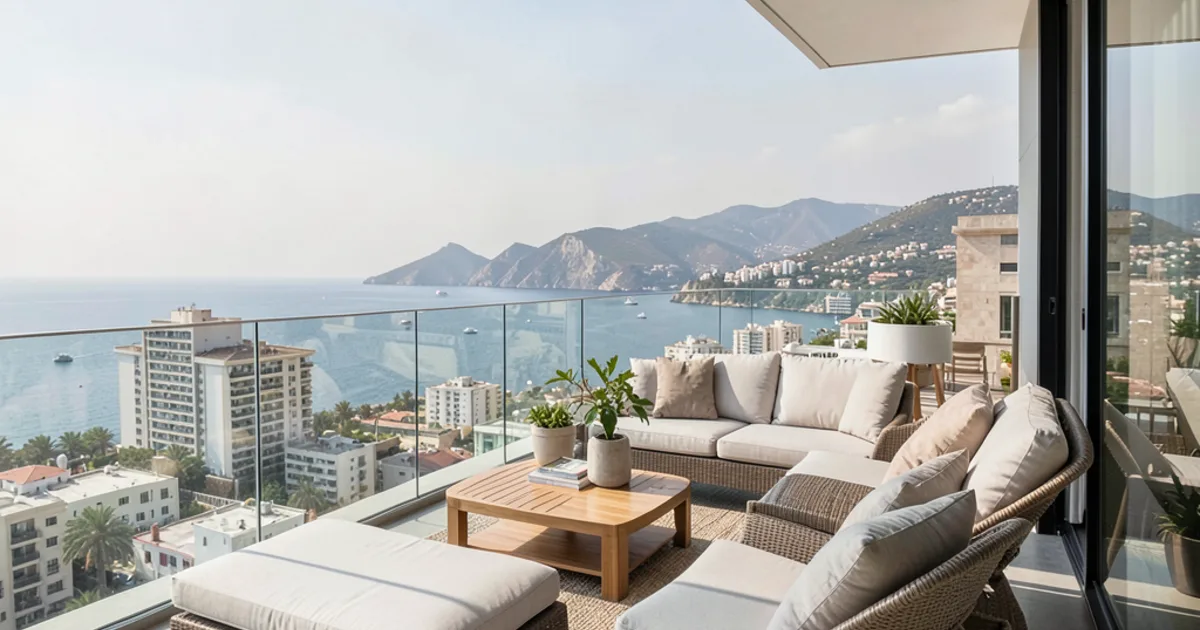
Choosing the right location in Israel is a pivotal decision that shapes your family's integration and long-term happiness. Herzliya, with its stunning Mediterranean coastline and sophisticated infrastructure, stands out as one of the most desirable destinations for English-speaking families. For expats with young children, the priority often shifts from mere proximity to work to the availability of high-quality education, safe green spaces, and a welcoming social fabric. This guide provides an in-depth analysis of the best neighborhoods in Herzliya, tailored specifically to the needs of growing families.
Quick answer: The best neighborhoods in Herzliya for expats with young children are typically those offering proximity to parks, quiet residential streets, and gated communities. Areas like Herzliya Pituach and the central residential districts are highly recommended due to their family-friendly infrastructure and access to essential amenities.
- Why Herzliya is a Premier Choice for Expat Families
- Herzliya Pituach: The Pinnacle of Upscale Living
- The Marina District: Waterfront Sophistication and Walkability
- Herzliya Center: Urban Vibrancy and Practicality
- Navigating the Educational Landscape for Your Children
- The Legal Framework: Protecting Your Real Estate Investment
- Financial Realities: Understanding Taxes and Mortgages
- Integrating into the Local Community and Culture
- Managing Ongoing Property Costs and Responsibilities
- Finding the Ideal Home: Property Types for Families
- Long-Term Stability and Investment Potential
Why Herzliya is a Premier Choice for Expat Families
Herzliya offers a unique blend of Mediterranean tranquility and high-tech dynamism that is hard to replicate in other Israeli cities. For many expats, the city provides a sense of order and a high standard of living that feels both familiar and excitingly new. The coastal breeze, the well-maintained public spaces, and the relatively calm atmosphere make it an ideal environment for raising children in a safe and stimulating setting. Unlike the frantic pace of central Tel Aviv, Herzliya allows families to enjoy a more balanced lifestyle without sacrificing access to the country's economic heart.
The city's infrastructure is designed with both professionals and families in mind, offering a seamless transition for those moving from abroad. From high-speed transport links to the bustling center of the country to local amenities that cater to international tastes, the convenience is undeniable. Expats often find that the city's layout encourages an active, outdoor lifestyle, which is essential for the well-being of young children. Whether it is a weekend walk along the shore or a visit to a local park, the environment naturally fosters physical activity and social interaction.
Furthermore, the demographic makeup of Herzliya is particularly conducive to successful integration. While the city is deeply Israeli, it possesses a significant international presence, particularly in its more affluent sectors. This means that while you are immersing your children in Hebrew and Israeli culture, you are also part of a community that understands the nuances of the expat experience. This dual identity helps mitigate the isolation that can sometimes accompany relocation, providing a supportive network of families who are navigating similar life transitions.
- Proximity to major employment hubs in the high-tech sector.
- High levels of public safety and well-monitored communal areas.
- Abundant access to Mediterranean beaches and coastal parks.
- A balanced mix of urban convenience and seaside relaxation.
Herzliya Pituach: The Pinnacle of Upscale Living
Herzliya Pituach is widely recognized as the city's most prestigious residential area, attracting families who seek luxury, privacy, and an international atmosphere. The neighborhood is characterized by its sprawling villas, manicured gardens, and wide, leafy streets that offer a sense of exclusivity. For expats, this area serves as a natural landing point due to the high concentration of English-speaking professionals and international business leaders. The lifestyle here is centered around high-end amenities, from boutique shopping to premium fitness centers and private clubs.
Living in Pituach means having access to some of the most beautiful coastal views in Israel, which can significantly enhance the quality of life for a family. Many properties in this area are designed with large outdoor spaces, providing children with the freedom to play in a secure, private environment. The neighborhood's architecture often reflects a blend of modern luxury and Mediterranean charm, making it a visually stunning place to call home. While the cost of entry is higher than in other districts, the perceived value in terms of status and comfort is a major draw for many.
The community in Pituach is highly interconnected, often forming social circles based on shared professional backgrounds and lifestyle preferences. This can be an incredible asset for expat parents looking to build a network of peers who can offer advice on everything from local doctors to international schooling. However, it is important to recognize that the lifestyle here is more secluded and quiet compared to the city center. It is a place designed for those who prioritize privacy and a calm, controlled environment for their family life.
- Expansive luxury villas and high-end residential complexes.
- High concentration of international and English-speaking residents.
- Quiet, secure streets ideal for family walks and privacy.
- Proximity to premium shopping and high-tech business hubs.
The Marina District: Waterfront Sophistication and Walkability
For families who crave a more active and vibrant lifestyle, the Herzliya Marina district offers an unparalleled waterfront experience. This area is defined by its modern apartment buildings, bustling promenades, and a constant sense of movement. The Marina is not just a place for boats; it is a social hub where families can enjoy outdoor dining, seaside strolls, and a view of the horizon every single day. The atmosphere is much more energetic than the quiet streets of Pituach, making it perfect for those who enjoy being in the heart of the action.
One of the greatest advantages of the Marina is its extreme walkability. Many residents find that they can access cafes, grocery stores, and recreational facilities without ever needing a car. For parents with young children, this ease of movement is a significant practical benefit, allowing for spontaneous outings and easier daily logistics. The proximity to the beach means that the sand and sea are always just a few minutes away, providing endless opportunities for summer activities and outdoor play.
While the Marina offers a very modern and cosmopolitan feel, it is important to consider the density of the area. The lifestyle here is more urban and social, which can be wonderful for building a sense of community but may feel less private than a standalone villa. The apartments in this district often feature contemporary designs with balconies that overlook the water, offering a unique way to experience the Mediterranean. It is an ideal choice for families who want a high-quality, modern lifestyle integrated with the natural beauty of the coast.
Herzliya Center: Urban Vibrancy and Practicality
Herzliya Center (Merkaz) offers a more traditional and urban way of life, providing a stark contrast to the luxury of Pituach or the seaside vibe of the Marina. This area is the heartbeat of the city, where the local culture is most palpable and the infrastructure is most dense. For many expats, the Center represents a more practical and accessible entry point into Israeli life. It is characterized by a mix of residential buildings, commercial streets, and excellent public transportation links, including the central train station that connects the city to the rest of the country.
The benefit of living in the Center lies in its sheer convenience and its connection to the 'real' Israel. You are within walking distance of local markets, diverse eateries, and essential services like pharmacies and post offices. This area is also generally more affordable than the coastal districts, making it an attractive option for families who are looking to balance their budget while still enjoying the benefits of living in a high-quality city. The density of the neighborhood also means that there is a constant flow of people, contributing to a lively and safe urban environment.
For families with children, the Center provides access to various local parks and community centers that are central to the daily lives of Israeli residents. While it may lack the manicured perfection of the more affluent neighborhoods, it offers a sense of authenticity and a front-row seat to the local way of life. This can be a significant advantage for expats who wish to accelerate their cultural integration and language acquisition. It is a neighborhood that rewards curiosity and offers a rich, multi-layered experience of living in a Mediterranean city.
- Excellent access to public transportation and the train network.
- More diverse and affordable housing options.
- Proximity to local markets and essential urban services.
- A vibrant, authentic atmosphere for cultural immersion.
Navigating the Educational Landscape for Your Children
Education is often the primary driver for relocation, and Herzliya offers a variety of paths for children of different ages. Families can choose between the state school system (Mada) and private or international schools. The state schools in Herzliya are generally well-regarded and provide an excellent environment for Hebrew immersion, which is vital for long-term integration. These schools are often the heart of the local community, where parents meet through school activities and volunteer events, creating a natural social network.
For families who prefer a curriculum more aligned with international standards, there are private options that offer instruction in English. These schools can provide a smoother transition for children who are moving from abroad, as they maintain a familiar academic structure while still being located within the Israeli context. However, it is important to note that choosing these schools often comes with higher tuition fees and a different social dynamic compared to the local state schools. Many expats find a middle ground by enrolling their children in state schools while utilizing private extracurricular activities to supplement their learning.
Beyond the classroom, the availability of 'Ulpan' (Hebrew language schools) for parents is a crucial factor. While the children may pick up the language through play and school, the parents' ability to communicate is essential for navigating daily life, from medical appointments to interacting with the municipality. Herzliya provides various resources to support adult learners, and engaging with these programs can significantly reduce the stress of relocation. A well-rounded approach to education, combining formal schooling with language support and local social engagement, is the key to a successful transition.
The Legal Framework: Protecting Your Real Estate Investment
Purchasing property in Israel is a formal and highly regulated process that requires careful attention to detail. The first step in any transaction is ensuring the property is correctly registered in the Tabu (the Land Registry). This is the official government record that confirms ownership and ensures there are no unexpected liens or legal encumbrances on the land. An expert real estate adviser will always recommend a thorough check of the Tabu to protect your interests before any funds are committed to a transaction.
Once the property's status is verified, the next critical stage is the drafting of the binding memorandum (the contract). This document is the legal foundation of your purchase and outlines all the terms, conditions, and obligations of both the buyer and the seller. It is essential to have a qualified lawyer review this document to ensure that all aspects of the deal, such as moving dates, repair obligations, and payment schedules, are clearly defined. In Israel, the memorandum is a legally binding instrument that carries significant weight, so there is no room for ambiguity.
Throughout the process, several official roles are played to ensure legality and accuracy. A notary may be required to certify certain documents or signatures, providing an extra layer of verification. Furthermore, it is vital to understand that the purchase is not just about the house itself, but also about the legal rights associated with it, such as parking spaces or storage units. Taking a methodical, legally-driven approach is the only way to mitigate risk and ensure that your new home is a secure asset for your family's future.
Financial Realities: Understanding Taxes and Mortgages
The financial aspect of buying a home in Israel involves several distinct components that must be factored into your budget. One of the most important is the Mas Rekhisha (purchase tax), which is a progressive tax based on the value of the property. The amount you pay will depend on your status, for example, whether you are a first-time buyer or an investor, and the total purchase price. It is crucial to calculate this tax upfront, as it is an additional cost that is not included in the base property price.
For many families, securing a Mashkanta (mortgage) is a necessary part of the acquisition process. The Israeli mortgage market is well-developed, but it requires a deep understanding of interest rates, repayment terms, and the various types of loans available. Working with a specialized mortgage broker can be incredibly beneficial, as they can navigate the different banking options to find a structure that suits your family's long-term financial plan. Remember that your ability to secure a mortgage will depend on your income stability and your credit history within the Israeli system.
Once you have moved into your home, you will encounter ongoing costs such as Arnona (municipal property tax) and Va'ad Bayit (building maintenance fees). Arnona is a tax paid to the local municipality and is calculated based on the size and location of the property; it is a fundamental part of living in any Israeli city. Va'ad Bayit, on the other hand, covers the upkeep of common areas, such as elevators, hallways, and gardens. Being aware of these recurring expenses is essential for maintaining a healthy household budget and ensuring there are no surprises in your first year of residency.
- Mas Rekhisha: Progressive purchase tax based on property value.
- Mashkanta: Mortgage structures provided by local banks.
- Arnona: Mandatory municipal property tax.
- Va'ad Bayit: Monthly building maintenance and management fees.
Integrating into the Local Community and Culture
Successful integration into an Israeli community requires both patience and proactive engagement. While it is common for expats to initially form social circles within their own linguistic groups, true integration happens when you step outside that 'bubble.' This involves participating in local events, joining community centers, and interacting with your neighbors. In Herzliya, many community activities are centered around local parks, religious institutions, or cultural hubs, providing numerous opportunities for meaningful connection.
The role of language cannot be overstated in this process. Even a basic command of Hebrew can transform your experience from being a spectator to being a participant. Utilizing resources like the Jewish Agency (Sokhnut) or local community programs can provide structured ways to learn the language and understand the cultural nuances of Israel. As you become more comfortable with the language, the barriers to social interaction diminish, allowing you to build deeper, more authentic relationships with your local neighbors.
It is also helpful to approach integration with an open mind regarding local customs and rhythms of life. The Israeli lifestyle can sometimes feel more spontaneous and less structured than what you may be used to in other countries. Embracing this flexibility, while still maintaining your own family's routines, is key to finding a balance. By showing interest in the local culture and being an active part of your neighborhood, you will find that the community becomes a source of immense support and joy for your family.
Managing Ongoing Property Costs and Responsibilities
Owning property in Israel comes with specific responsibilities that go beyond the initial purchase. Beyond the taxes and maintenance fees mentioned earlier, you should be aware of the importance of property insurance. Having comprehensive coverage that protects against fire, theft, and natural disasters is a non-negotiable aspect of homeownership. Many homeowners choose to bundle their home insurance with their Mashkanta (mortgage) requirements, but it is always wise to ensure the coverage is sufficient for your specific property type.
Another aspect to consider is the long-term maintenance of the property. In many modern complexes, particularly in the Marina or Pituach, a significant portion of your maintenance costs goes toward the Va'ad Bayit, which manages the common areas. It is important to stay informed about the decisions made by the building committee, as these can affect your monthly fees and the overall condition of your living environment. Being an engaged member of your building's community can help ensure that funds are being used effectively to maintain property values.
Finally, keep in mind the potential for urban renewal projects, often referred to as Pinui Binui. While these projects can significantly increase the value of a neighborhood and modernize old buildings, they can also lead to temporary disruptions in your area. Staying informed through the local municipality and your neighbors will help you navigate these changes. Understanding the lifecycle of your property and the surrounding urban development is a vital part of being a responsible and informed homeowner in Israel.
Finding the Ideal Home: Property Types for Families
The variety of property types in Herzliya allows families to tailor their living situation to their specific needs and budgets. For those seeking maximum space and privacy, the luxury villas of Herzliya Pituach are the gold standard. These homes often feature multiple bedrooms, large living areas, and private outdoor spaces that are perfect for children to play. While these are high-investment properties, they offer a level of comfort and exclusivity that is hard to match elsewhere.
If you prefer a more modern, low-maintenance lifestyle, the apartment buildings in the Marina or the city center are excellent options. These can range from compact, efficient units to expansive, high-ceilinged penthouses with stunning views. Garden apartments, which feature a small private outdoor area, are particularly popular among families with young children, as they offer a compromise between the privacy of a villa and the convenience of an apartment living.
For families looking for a more grounded and traditional experience, older, well-maintained apartments in the city center can provide great value. These properties often have larger room sizes and are located in established neighborhoods with a strong sense of community. While they may require more frequent cosmetic updates compared to a brand-new build, they offer a unique charm and a direct connection to the local urban fabric. Ultimately, the 'best' property type is the one that aligns with your family's daily habits and long-term goals.
- Luxury Villas: High privacy, large gardens, and premium status.
- Marina Apartments: Modern design, waterfront views, and walkability.
- Garden Apartments: A balance of indoor/outdoor living and convenience.
- Urban Apartments: Centralized, affordable, and culturally immersive.
Long-Term Stability and Investment Potential
Beyond the immediate benefits of lifestyle and community, real estate in Herzliya is often viewed as a stable, long-term investment. The city's desirability, driven by its coastal location and economic importance, tends to sustain demand for high-quality housing. For expat families, this provides a sense of financial security, knowing that their primary asset is located in a region with strong fundamentals. While no investment is without risk, the historical trend of Herzliya's real estate market reflects its status as a premium destination.
The ongoing urban renewal and development projects in the surrounding areas also contribute to the city's long-term value. As the infrastructure continues to modernize and the high-tech sector expands, the demand for residential space in and around Herzliya is likely to remain robust. This makes the city an attractive option not just for those looking for a home, but for those looking to build generational wealth through property ownership in a growing economy.
When considering the long-term, it is also important to account for the Mas Shevah (capital gains tax) that may apply when you eventually decide to sell your property. Understanding the tax implications of your investment from the outset will help you make more informed decisions about your property's lifecycle. By combining a lifestyle-focused approach with a sound understanding of the economic landscape, families can find a home in Herzliya that serves both their emotional and financial needs.
FAQ
Is Herzliya a safe city for families with young children?
Yes, Herzliya is widely considered one of the safest cities in Israel. It features well-maintained public spaces, low crime rates, and a community-oriented atmosphere that is very conducive to family life.
How easy is it to find English-speaking schools in Herzliya?
While the majority of schools are Hebrew-based, there are several private and international options that offer curricula in English. Many expats choose to enroll their children in these schools to ease their transition.
What are the most important legal steps when buying property in Israel?
The most critical steps include verifying the property in the Tabu (Land Registry) and ensuring a lawyer reviews the binding memorandum. You must also ensure all taxes, such as Mas Rekhisha, are correctly calculated.
Do I need to speak Hebrew to live in Herzliya?
While you can navigate many daily tasks in English, especially in more affluent areas, knowing Hebrew is highly beneficial for deep integration. It helps with official bureaucracy, medical visits, and building social connections.
Get your personalised shortlist
Listings and up-to-date info, straight to your inbox, free, no obligation.
Get my shortlist →