Best Israeli cities for retirees looking for a quiet lifestyle
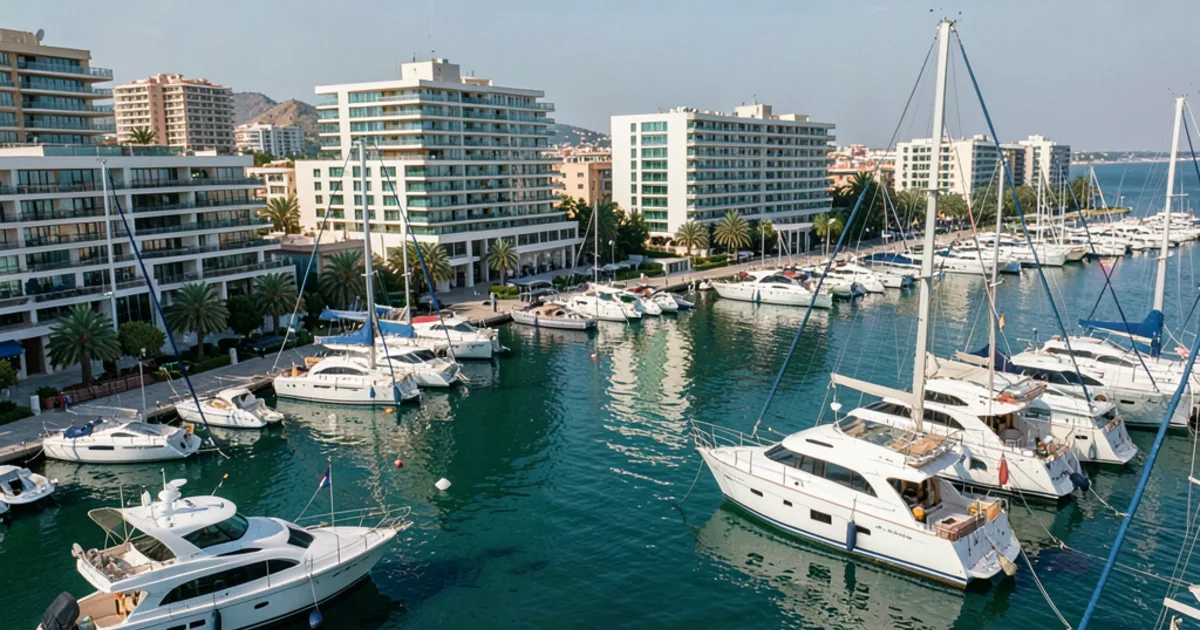
Deciding where to spend your golden years in Israel is a decision that involves much more than just choosing a beautiful view. It is about finding a community where you feel at home, ensuring proximity to essential healthcare, and understanding the local rhythm of life. Whether you seek the Mediterranean breeze, the spiritual depth of Jerusalem, or the quiet streets of a northern town, Israel offers diverse environments tailored to different retirement visions. This guide provides a comprehensive look at the top locations and the practicalities of making your move.
Quick answer: For a quiet lifestyle, retirees often choose smaller coastal towns like Netanya or Nahariya, or the quieter neighborhoods of Jerusalem and Haifa. These areas offer a slower pace of life, lower costs compared to Tel Aviv, and a strong sense of community while remaining well-connected to major services.
- What makes Israel a premier retirement destination?
- Which coastal cities offer the best balance of sea and amenities?
- Where can I find established English-speaking hubs?
- How does Jerusalem suit a retiree's lifestyle?
- Is the urban sophistication of Tel Aviv suitable for seniors?
- What are the benefits of retiring in the North?
- Why is Ramat Beit Shemesh gaining popularity?
- What are the primary tax and cost considerations?
- How does the legal property purchase process work?
- How can I overcome the language barrier?
- What should I know about healthcare access?
- Preparing for your transition to Israel
What makes Israel a premier retirement destination?
Retiring in Israel offers a unique blend of cultural richness, historical significance, and a high standard of living that many find deeply rewarding. For many, the move is driven by a desire for connection to their heritage or a longing to live in a land of profound meaning. Beyond the emotional connection, the country provides a sophisticated infrastructure that supports a modern, comfortable lifestyle for seniors.
The social fabric of Israel is characterized by a sense of community and resilience that is often absent in more individualistic Western societies. In many Israeli cities, you will find vibrant social networks and community centers designed to bring people together. This sense of belonging is crucial for retirees who may be navigating a new culture and language simultaneously.
Furthermore, the geographic diversity of the country allows for a variety of lifestyles within a relatively small area. You can choose between the bustling energy of a metropolitan hub or the serene stillness of a lakeside village. This flexibility ensures that whether you are an active urbanite or a lover of quiet contemplation, there is a suitable location waiting for you.
- High level of medical technology and healthcare accessibility.
- Diverse geographic climates and landscapes.
- Strong sense of community and cultural identity.
- Sophisticated infrastructure and transportation networks.
Which coastal cities offer the best balance of sea and amenities?
For many retirees, the allure of the Mediterranean Sea is a primary motivator for choosing a location in Israel. Coastal cities provide a unique lifestyle where the rhythm of the waves meets the convenience of modern urban living. These areas often benefit from a milder climate and a high concentration of leisure activities, such as walking paths along the beach and seaside dining.
Netanya stands out as a premier choice for those seeking a coastal lifestyle with a strong international presence. The city is well-known for its large English-speaking community, which can significantly ease the transition for new residents. It offers a robust selection of medical facilities and shopping centers, ensuring that all your daily needs are met without extensive travel.
While coastal living offers many benefits, it is important to consider the density and pace of the specific area. Some coastal zones are highly energetic and bustling, while others offer much more secluded, quiet residential pockets. Choosing the right neighborhood within a coastal city is essential to achieving the peaceful retirement you envision.
- Proximity to major medical centers and specialists.
- Access to outdoor activities like walking and cycling.
- Strong presence of English-speaking social circles.
- Mild Mediterranean climate throughout much of the year.
Where can I find established English-speaking hubs?
Transitioning to a new country can be daunting, and for many retirees, finding an English-speaking enclave provides a vital safety net. These communities offer more than just linguistic ease; they provide a social framework where newcomers can find friends, doctors, and services that understand their background. This can significantly reduce the stress of the initial relocation period.
Ra'anana and Herzliya are widely recognized as some of the most desirable areas for English speakers. These cities are characterized by well-maintained streets, high-end amenities, and a very high standard of living. The presence of many international residents creates a cosmopolitan atmosphere where English is frequently used in shops, cafes, and community gatherings.
However, it is important to note that these established hubs often come with a higher cost of living. The demand for housing in these areas is significant, which can influence property availability and pricing. Prospective residents should weigh the benefit of immediate social integration against the financial commitment required to live in these premium locations.
- Ra'anana: Known for its quiet, leafy streets and family-oriented feel.
- Herzliya: Offers a sophisticated blend of luxury and coastal access.
- Ease of navigating daily tasks in English.
- Immediate access to established social and religious networks.
How does Jerusalem suit a retiree's lifestyle?
Jerusalem is a city that offers an unparalleled sense of history and spirituality, making it a magnet for those seeking a life of meaning. For many retirees, living in the Holy City is a lifelong dream that provides a constant connection to sacred sites and cultural heritage. The city's atmosphere is distinct from any other in the country, characterized by a profound and ancient energy.
The lifestyle in Jerusalem is often more contemplative and slower-paced than in the coastal plain. However, the topography of the city is a significant factor to consider. Jerusalem is built on hills, which means that many residential areas involve significant walking on inclines. For retirees with mobility concerns, selecting a neighborhood with flatter terrain or excellent public transport is a critical step.
Socially, Jerusalem is incredibly diverse, offering everything from ultra-religious enclaves to highly secular, intellectual neighborhoods. This diversity means you can find a community that aligns perfectly with your personal values and lifestyle preferences. Whether you seek a quiet, scholarly environment or a bustling, multicultural neighborhood, Jerusalem has a place for you.
- Deep spiritual and historical significance.
- Diverse range of neighborhoods and social demographics.
- Important consideration: hilly terrain and accessibility.
- Rich cultural and academic life.
Is the urban sophistication of Tel Aviv suitable for seniors?
Tel Aviv is often viewed as the beating heart of Israel, characterized by its vibrant energy, world-class dining, and cultural dynamism. For the active retiree who refuses to slow down, Tel Aviv offers an endless array of opportunities. The city is a hub for art, music, and international travel, making it ideal for those who crave constant stimulation.
One of the greatest advantages of living in Tel Aviv is the unparalleled access to medical excellence. Some of the country's most advanced hospitals and specialized clinics are located within or very near the city. This proximity provides a level of security and convenience that is highly attractive to those prioritizing their long-term health and wellness.
On the downside, Tel Aviv is one of the most expensive and densely populated areas in Israel. The noise levels and the fast pace of life can be overwhelming for those seeking a truly 'quiet' lifestyle. To find peace in Tel Aviv, one must be strategic, perhaps looking at more residential pockets in North Tel Aviv or nearby suburban areas that offer a calmer atmosphere.
- World-class medical facilities and specialized care.
- Unmatched cultural, culinary, and social opportunities.
- High cost of living and property prices.
- Potential for noise and high-density urban stress.
What are the benefits of retiring in the North?
For those looking to escape the heat of the center and find a more tranquil environment, the north of Israel offers incredible beauty. Areas surrounding the Sea of Galilee, such as Tiberias, provide a slower pace of life and a stunning natural backdrop. The climate in the north can be more temperate, offering a refreshing change from the humidity of the coast.
Retiring in the north often allows for a more budget-friendly lifestyle compared to the central or coastal regions. While this does not mean a lack of amenities, the cost of housing and daily services can be more manageable. This can be a significant advantage for retirees living on a fixed income who still wish to maintain a high quality of life.
The social structure in northern towns can feel more intimate and community-focused. Many of these towns have long-standing resident populations, which creates a stable and welcoming environment. However, it is important to ensure that your chosen northern location still offers sufficient access to the healthcare services you may require as you age.
- Scenic landscapes and proximity to natural wonders.
- Generally more affordable real estate options.
- A slower, more relaxed pace of life.
- Consideration: distance from major metropolitan medical hubs.
Why is Ramat Beit Shemesh gaining popularity?
Ramat Beit Shemesh has emerged as a significant destination for those looking for a modern, community-centric lifestyle. It is a city that has seen rapid development, offering many new residential options that meet contemporary standards of construction and design. This makes it particularly attractive to retirees who prefer newer buildings with modern amenities.
The city is unique in its demographic blend, offering a mix of religious and secular communities. This allows residents to choose a neighborhood that best reflects their personal lifestyle and values. For many, the sense of a growing, evolving community provides a feeling of vitality and opportunity for social connection.
While it offers many advantages, being a newer and growing city means that infrastructure is still catching up in some areas. You may find that while the residential areas are excellent, some commercial or recreational facilities may still be in development. It is a city that is actively building its future, which is an exciting prospect for many newcomers.
- Modern residential developments and newer housing stock.
- Diverse mix of religious and secular communities.
- A sense of a growing and dynamic community.
- Infrastructure is still evolving in certain sectors.
What are the primary tax and cost considerations?
Understanding the financial landscape is essential for a successful relocation to Israel. When purchasing property, one of the most important factors is the Mas Rekhisha, or purchase tax. The rate of this tax can vary significantly depending on your residency status, whether you are buying a primary residence, and the total value of the property.
Beyond the initial purchase, there are ongoing costs that must be factored into your retirement budget. Every property owner is responsible for paying Arnona, the municipal property tax, which is based on the size and location of the property. Additionally, you should be aware of any potential Mas Shevah, which is the capital gains tax applied when you eventually sell the property.
If you are not purchasing the home in full and require a Mashkanta, or mortgage, you should be aware that the lending process in Israel involves strict criteria. Lenders will look at your financial history and stability. It is always wise to consult with a professional to understand how these various taxes and financial instruments will impact your long-term planning.
- Mas Rekhisha: Purchase tax based on property value and status.
- Arnona: Ongoing municipal property tax.
- Mas Shevah: Capital gains tax upon sale.
- Mashkanta: Mortgage considerations for local residents.
How does the legal property purchase process work?
Navigating the Israeli real estate market requires a clear understanding of the legal steps involved. The process typically begins with a formal agreement known as the binding memorandum, or Heskem Mushmat. This document is a critical legal contract that outlines the terms of the sale, the price, and the closing dates, and it is essential to have this reviewed by a qualified lawyer.
Once the agreement is signed, the transaction moves toward the final registration in the Tabu, which is the official land registry. The Tabu is the ultimate authority on property ownership, and ensuring that the title is clear and properly registered is the most important part of the due diligence process. This protects your investment and ensures your legal rights as an owner.
It is highly recommended to engage a local lawyer and potentially a notary to manage the complexities of the transaction. A lawyer will handle the contract, check the property's legal status in the Tabu, and ensure all taxes are correctly calculated. Relying on professional guidance is the best way to avoid common pitfalls and ensure a smooth transition to your new home.
- Heskem Mushmat: The essential binding memorandum.
- Tabu: The official land registry for ownership verification.
- The importance of hiring a local legal professional.
- Due diligence to ensure clear property titles.
How can I overcome the language barrier?
While many Israelis speak excellent English, especially in major cities and among the younger generation, learning Hebrew is a vital part of integrating into the culture. Hebrew is the key to navigating official bureaucracy, understanding local news, and forming deeper connections with your neighbors. It is an investment in your social and practical well-being.
The most effective way to learn is through an Ulpan, which is a specialized Hebrew language school designed for immigrants. Ulpan programs range from intensive courses to more relaxed, social learning environments. Many retirees find that the social aspect of an Ulpan is just as valuable as the linguistic instruction, as it provides an immediate community of fellow newcomers.
Don't be discouraged if progress feels slow at first. The goal is not necessarily to become a master of the language, but to gain enough functional fluency to navigate daily life with confidence. Embracing the learning process and showing effort will go a long way in building rapport with the local community and making your retirement feel truly local.
- Ulpan: Specialized Hebrew schools for immigrants.
- Language as a tool for social and practical integration.
- Importance of functional fluency over perfection.
- The social benefits of language learning groups.
What should I know about healthcare access?
Healthcare is a cornerstone of a successful retirement, and Israel offers a highly sophisticated medical system. The system is organized around Kupot Cholim, which are health maintenance organizations or health funds. Most residents are affiliated with one of these funds, which provides comprehensive coverage ranging from primary care to specialized medical services.
Access to healthcare is generally excellent, with high-quality clinics and hospitals located throughout the country. For retirees, the key is to choose a Kupot Cholim that has a strong presence and reliable clinics in your chosen city. Many people find that having a primary care doctor close to home is essential for managing routine health needs.
In addition to the public system, there are various levels of supplemental insurance that can provide access to more specific services or faster appointments. When selecting your city, consider the proximity to the major medical centers associated with your chosen health fund to ensure you have the best possible support for your long-term health.
- Kupot Cholim: The primary health maintenance organizations.
- High standard of medical technology and care.
- Importance of local clinic availability.
- Supplemental insurance options for enhanced services.
Preparing for your transition to Israel
The final stage of your journey is the practical preparation for the move itself. This involves more than just packing bags; it requires a coordinated effort to manage your assets, finalize your legal status, and settle your affairs in your home country. A systematic approach will help reduce the stress of this significant life change.
Start by creating a checklist of all the administrative tasks required, such as notifying banks, managing existing property, and ensuring your medical records are accessible. It is also wise to visit your potential city several times in different seasons to get a true sense of the climate and the local atmosphere before committing to a purchase.
Finally, remember that relocation is a marathon, not a sprint. Allow yourself time to adjust to the new environment, the new language, and the new rhythm of life. By approaching this transition with patience, professional guidance, and a sense of adventure, you can turn your dream of an Israeli retirement into a beautiful, lasting reality.
- Systematic management of international assets.
- The value of visiting locations in different seasons.
- Managing administrative and medical transitions.
- Maintaining a patient and adaptable mindset.
FAQ
Is English widely spoken in Israeli cities?
In major urban centers and coastal areas like Netanya or Herzliya, English is very common. However, for official government matters and deep community integration, knowing some Hebrew is highly recommended.
Get your personalised shortlist
Listings and up-to-date info, straight to your inbox, free, no obligation.
Get my shortlist →