Average price per square meter in Tel Aviv for luxury apartments
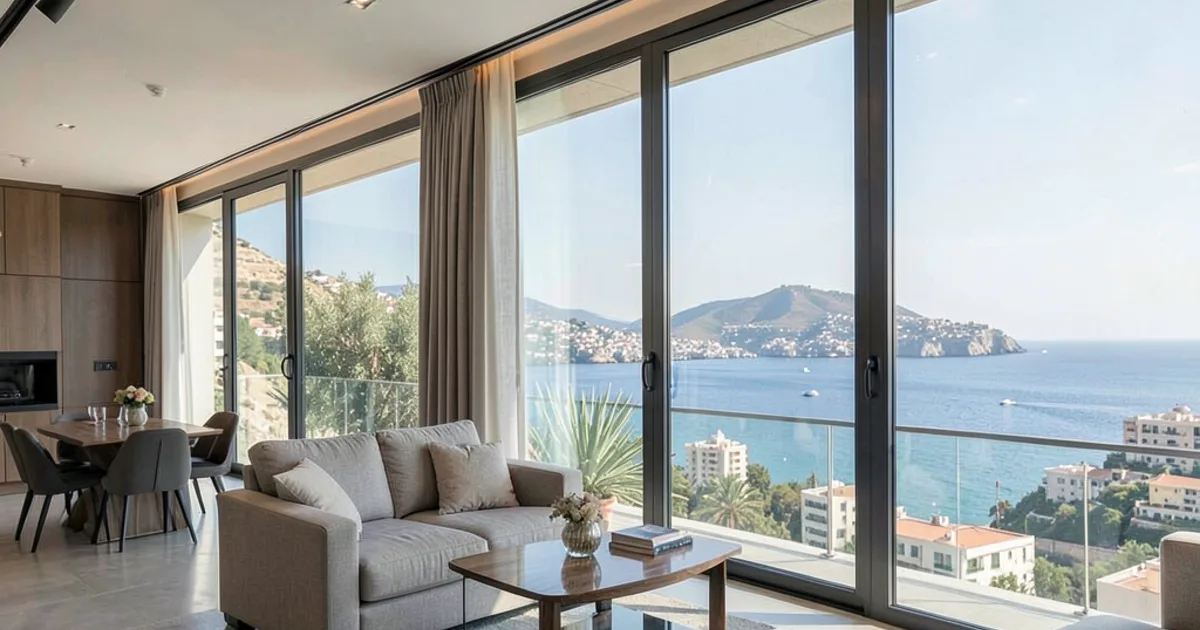
Investing in the Tel Aviv luxury real estate market is a significant undertaking that demands a nuanced understanding of local dynamics. For high-net-worth individuals, the price per square meter is not merely a number, but a reflection of scarcity, prestige, and lifestyle. This guide provides an in-depth analysis of the factors driving valuations in Israel's most competitive urban center. We aim to equip discerning buyers with the knowledge necessary to navigate this sophisticated landscape with confidence.
Quick answer: The average price per square meter for luxury apartments in Tel Aviv varies significantly depending on the specific neighborhood and proximity to the coastline. High-end developments in premium areas command much higher rates than the city average, reflecting demand for luxury amenities and prime locations.
- Understanding the Dynamics of the Tel Aviv Luxury Market
- What Key Factors Influence the Price per Square Meter?
- Neighborhood Profiles: Where Luxury Meets Location
- Comparing Tel Aviv Luxury to Other Israeli Prime Markets
- The Impact of Building Type and Amenities on Valuation
- Navigating the Legal and Tax Framework for High-Value Purchases
- Financial Considerations: Beyond the Initial Purchase Price
- Due Diligence and the Role of the Tabu Land Registry
- Investment Strategies for Luxury Residential Assets
- Common Pitfalls for International Buyers in the Tel Aviv Market
- The Long-Term Outlook for Tel Aviv's Luxury Segment
Understanding the Dynamics of the Tel Aviv Luxury Market
The luxury real estate market in Tel Aviv operates on a different plane than the broader residential sector. While the general market is influenced by local economic shifts and interest rates, the luxury segment is driven by global capital, scarcity of prime land, and the desire for lifestyle exclusivity. This creates a unique environment where traditional valuation models may not always apply. Buyers must look beyond simple square footage to understand the intrinsic value of a property.
Price per square meter serves as the primary benchmark for comparing assets in this high-end tier. However, this metric can be deceptive if one does not account for the qualitative differences between buildings. A luxury apartment in a modern high-rise tower offers a vastly different value proposition than a renovated historic villa in a quiet street. Consequently, the 'price' is often a composite of location, architectural merit, and the level of service provided.
Market participants often view Tel Aviv as a 'safe haven' for capital within the region. This perception of stability, despite geopolitical fluctuations, helps maintain high demand for premium assets. The limited supply of large, high-quality apartments in central districts ensures that the market remains tight. Understanding this supply-demand imbalance is the first step in evaluating whether a specific asking price is justifiable.
- Scarcity of prime beachfront land
- Global demand for Mediterranean lifestyle
- Concentration of high-tech and financial wealth
What Key Factors Influence the Price per Square Meter?
The most immediate driver of valuation is proximity to the Mediterranean Sea. Properties with an unobstructed sea view command a significant premium over those facing the city skyline or inland streets. In the luxury tier, even a partial view can add a substantial layer of value to the price per square meter. This geographic advantage is the single most influential variable in the Tel Aviv coastal strip.
Architectural pedigree and building age also play critical roles in determining the final price. Newly constructed towers that utilize cutting-edge smart home technology and high-end materials often set the ceiling for market prices. Conversely, historic buildings in neighborhoods like Rothschild Boulevard offer a different kind of luxury rooted in heritage and prestige. Each type of property attracts a different demographic of high-net-worth buyers.
The level of amenities provided within the building can dramatically alter the cost-per-meter calculation. A building that offers 24/7 concierge services, private gyms, infinity pools, and underground parking will naturally sit at the top of the price spectrum. These features are not just luxuries; they are essential components of the urban lifestyle that premium buyers expect. When calculating your budget, these services should be viewed as integral to the property's value.
- Direct sea views vs. city views
- Presence of 24/7 concierge and security
- Smart home integration and modern materials
- Private parking and elevator access
Neighborhood Profiles: Where Luxury Meets Location
The Rothschild Boulevard area represents the pinnacle of urban prestige and historic charm. This neighborhood is characterized by its iconic architecture and its central role in the city's cultural life. Luxury apartments here often feature high ceilings and expansive terraces, catering to those who wish to be at the heart of the action. The price per square meter in this district reflects its status as a global landmark.
North Tel Aviv and the beachfront areas offer a lifestyle centered around leisure and the Mediterranean. These neighborhoods are home to some of the most expensive high-rise developments in the country. Buyers in this sector typically prioritize access to the beach, high-end dining, and a sense of openness. The valuation in these areas is heavily dictated by the quality of the sea view and the proximity to the shoreline.
The Sarona and central business districts provide a more modern, high-density luxury experience. This area is ideal for professionals who value proximity to major financial institutions and high-tech hubs. The architecture here is often contemporary, focusing on glass, steel, and efficient, high-tech living spaces. While perhaps less 'scenic' than the beachfront, the convenience and modernity command a premium price.
- Rothschild: Heritage and prestige
- North Tel Aviv: Beachfront and leisure
- Central/Sarona: Modernity and urban convenience
Comparing Tel Aviv Luxury to Other Israeli Prime Markets
While Tel Aviv is the undisputed leader in price per square meter, other cities offer distinct luxury profiles. Jerusalem, for instance, provides a unique market driven by cultural, religious, and historical significance. Luxury properties in Jerusalem often focus on privacy, security, and proximity to holy sites, offering a different kind of exclusivity. The price dynamics there are influenced more by heritage than by the coastal lifestyle found in Tel Aviv.
Herzliya Pituach offers a different model of luxury, often characterized by large villas and gated communities rather than high-rise apartments. This market appeals to buyers seeking more space, greater privacy, and a suburban feel while remaining close to the coast. The cost per square meter in Herzliya may be lower than in central Tel Aviv, but the total acquisition cost for a large estate can be comparable.
Other areas like Netanya or Ramat Beit Shemesh cater to different niches within the high-end market. Netanya provides significant beachfront opportunities, though often at a more accessible price point than Tel Aviv. Ramat Beit Shemesh attracts a specific demographic looking for luxury within a community-oriented environment. Diversifying your understanding of these markets allows for a more strategic approach to real estate investment in Israel.
- Jerusalem: Cultural and historical prestige
- Herzliya: Villa-style living and privacy
- Netanya: Coastal lifestyle at different price points
The Impact of Building Type and Amenities on Valuation
In the luxury segment, the distinction between a boutique building and a high-rise tower is profound. Boutique buildings, often found in older, established neighborhoods, offer intimacy and a sense of exclusivity. These properties are frequently renovated historic gems that appeal to collectors of fine real estate. The price per square meter here is driven by the uniqueness of the structure and the rarity of the offering.
High-rise towers, on the other hand, are designed for scale and modern convenience. These buildings are often 'vertical cities' that provide a comprehensive suite of services to their residents. The value in these towers is heavily tied to the height of the unit and the quality of the view. A penthouse on the top floor will always command a significantly higher price per square meter than a unit on a lower level.
Amenities are no longer considered 'extras' in the luxury market; they are fundamental requirements. A building without robust security, a fitness center, or professional management will struggle to maintain its premium valuation. Buyers in this tier expect a seamless living experience that minimizes the friction of urban life. Therefore, when evaluating a property, one must scrutinize the management quality and the maintenance of these shared spaces.
- Boutique buildings: Intimacy and character
- High-rise towers: Scale and modern amenities
- Penthouse premiums: Height and exclusivity
Navigating the Legal and Tax Framework for High-Value Purchases
Purchasing high-value real estate in Israel involves navigating a specific legal and tax landscape. The primary tax encountered is Mas Rekhisha, or purchase tax. This tax is calculated based on the purchase price and follows a progressive scale. For luxury buyers, understanding how these tiers apply to your specific transaction is essential for accurate budgeting.
Beyond the initial purchase, capital gains tax, known as Mas Shevah, is a critical consideration for future exits. This tax applies when a property is sold, and the rate depends on the duration of ownership and whether the property was a primary residence. Investors must carefully plan their holding periods to optimize their tax position. Professional legal counsel is indispensable during this stage to ensure all filings are correct.
The entire transaction is governed by a binding memorandum, or contract, which must be drafted with precision. This document outlines all terms, from the exact property description to the closing dates and any contingencies. In Israel, the role of a notary and a specialized real estate lawyer is vital to ensure that the transfer of rights is legally sound and recorded correctly in the Tabu land registry.
- Mas Rekhisha: Progressive purchase tax
- Mas Shevah: Capital gains considerations
- The Tabu: Official land registry verification
Financial Considerations: Beyond the Initial Purchase Price
A common mistake for many international buyers is focusing solely on the purchase price per square meter. The total cost of ownership includes several recurring expenses that can be substantial in the luxury tier. One of the most significant is Arnona, the municipal property tax. In prime Tel Aviv neighborhoods, Arnona rates are calculated based on the property's usage and size, and they can represent a significant annual outflow.
Maintenance fees, often referred to as Dmei Nihul, are also a major factor. In luxury buildings with extensive amenities like pools, gyms, and 24/7 security, these fees can be quite high. These costs are necessary to maintain the building's prestige and ensure that all shared facilities remain in top condition. Prospective buyers should always request a detailed breakdown of these fees before committing to a purchase.
For those utilizing financing, understanding the complexities of a Mashkanta, or mortgage, is crucial. The terms available to non-residents may differ from those offered to local citizens, often involving different interest rate structures and collateral requirements. It is prudent to secure a preliminary financing agreement to understand your actual liquidity requirements during the acquisition process.
- Arnona: Municipal property taxes
- Dmei Nihul: Building maintenance and service fees
- Mashkanta: Mortgage and financing complexities
Due Diligence and the Role of the Tabu Land Registry
Due diligence is the cornerstone of a successful real estate transaction in Israel. Before any funds are transferred, it is imperative to verify the legal status of the property through the Tabu land registry. This official record confirms the ownership, any existing liens, or encumbrances that might affect your rights. A property that is not correctly registered in the Tabu can lead to severe legal complications.
A professional appraisal, or Shama'ut, is another vital component of the due diligence process. An independent appraiser can provide a realistic assessment of the property's value, helping to ensure you are not overpaying. This is particularly important in the luxury market, where emotional attachment or scarcity can sometimes drive prices beyond fundamental values. An appraisal provides a data-driven counterweight to market sentiment.
Furthermore, physical due diligence is equally important. This involves inspecting the structural integrity of the building, the quality of the finishes, and the functionality of all systems. In older buildings, it is especially important to check for any recent renovations or pending municipal orders. Engaging a professional inspector can prevent costly surprises after the closing of the deal.
- Verifying ownership via the Tabu
- Obtaining a professional Shama'ut (appraisal)
- Physical inspection of structure and systems
Investment Strategies for Luxury Residential Assets
Investors approaching the Tel Aviv luxury market typically follow one of two main strategies: capital appreciation or yield optimization. Capital appreciation focuses on buying properties in emerging or highly prestigious areas with the expectation that the price per square meter will rise significantly over time. This strategy often involves higher risk but offers the potential for substantial long-term gains.
Yield optimization, on the other hand, focuses on the rental income generated by the property. While luxury apartments in Tel Aviv may offer lower rental yields compared to smaller residential units, the stability of the tenant base is much higher. High-net-worth tenants often sign long-term leases and maintain the property to a high standard. This approach is favored by those seeking steady, predictable cash flow.
A hybrid approach involves selecting properties that offer both moderate yield and strong appreciation potential. This might mean looking for 'undervalued' luxury assets in neighborhoods that are undergoing significant urban renewal. By balancing these two objectives, an investor can build a resilient portfolio that can withstand various economic cycles. Diversification across different types of luxury assets is always a recommended practice.
- Capital appreciation: Long-term growth focus
- Yield optimization: Rental income focus
- Hybrid strategy: Balancing growth and income
Common Pitfalls for International Buyers in the Tel Aviv Market
One of the most frequent mistakes made by international buyers is failing to account for the 'hidden' costs of acquisition. Between Mas Rekhisha, legal fees, notary costs, and agency commissions, the total amount required can be significantly higher than the base price per square meter. Without a comprehensive budget that includes these variables, buyers may find themselves undercapitalized during the closing process.
Another pitfall is the tendency to make decisions based on emotional appeal rather than data. The prestige of a specific address can sometimes cloud judgment regarding the actual condition or long-term value of a property. It is essential to maintain a disciplined approach and rely on professional appraisals and legal verifications. Emotional investing in a high-stakes market like Tel Aviv can lead to significant financial regret.
Currency fluctuation is a risk that is often overlooked by those moving capital from abroad. Since property is transacted in Israeli New Shekels, the exchange rate between your home currency and the Shekel can impact your total cost and your eventual exit value. Hedging this risk or timing your currency conversions can be a critical part of your financial planning when engaging in large-scale real estate transactions.
- Underestimating total acquisition costs
- Emotional decision-making vs. data-driven analysis
- Ignoring currency exchange rate volatility
The Long-Term Outlook for Tel Aviv's Luxury Segment
The long-term outlook for Tel Aviv's luxury real estate remains cautiously optimistic. The city's role as a global hub for technology and innovation ensures a continuous influx of high-earning professionals. This demographic provides a consistent floor for demand in the premium residential sector. As the city continues to modernize and expand its skyline, the scarcity of prime central land will likely only increase.
Urban development projects and infrastructure improvements are also expected to influence future valuations. As new transit links and public spaces are developed, certain neighborhoods may see a renewed surge in interest. Investors who can identify these areas of planned growth ahead of the broader market will be well-positioned. However, this requires a deep understanding of local municipal planning and development trends.
While geopolitical factors always introduce a layer of uncertainty, the fundamental drivers of the Tel Aviv market, scarcity, prestige, and economic vitality, remain strong. The luxury segment has historically shown a unique resilience to broader economic downturns. For those with a long-term horizon and a sophisticated approach, Tel Aviv continues to offer a compelling landscape for high-end real estate engagement.
- Continued demand from the tech sector
- Impact of urban renewal and infrastructure
- Resilience of the luxury segment to economic shifts
FAQ
How do I verify the legal ownership of a luxury apartment?
The most reliable way to verify ownership is to request an official extract from the Tabu land registry. This document will show the registered owner and any existing liens or mortgages on the property. It is standard practice for your lawyer to perform this check before any contract is signed.
Get your personalised shortlist
Listings and up-to-date info, straight to your inbox, free, no obligation.
Get my shortlist →