Aliyah home
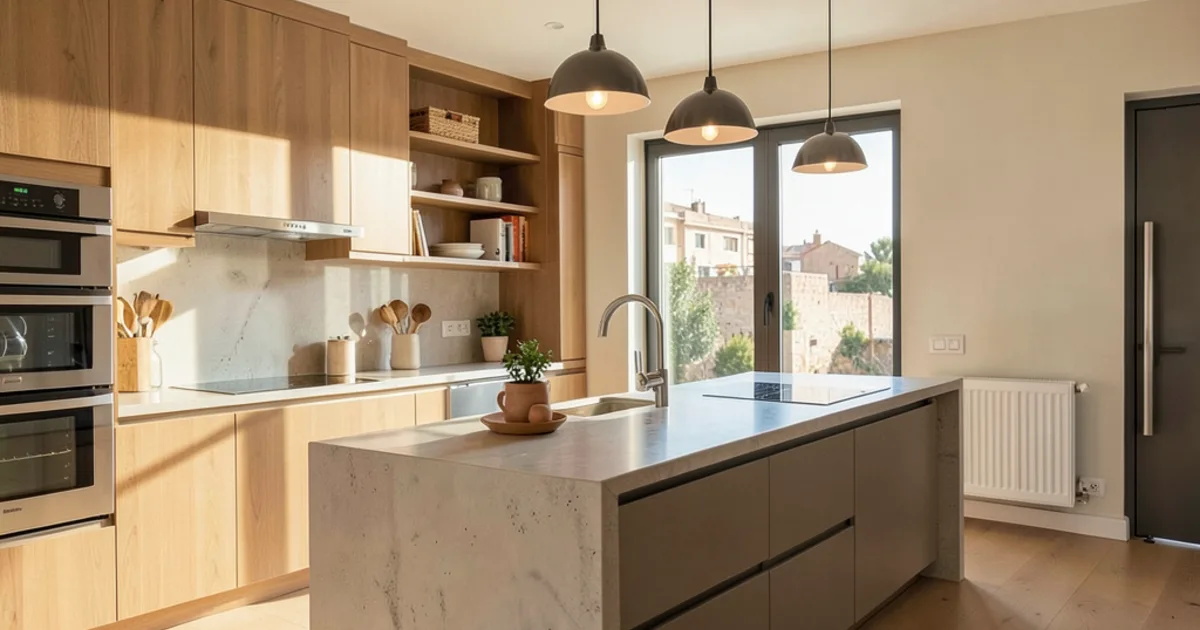
The journey to finding an Aliyah home is one of the most significant milestones in a person's transition to life in Israel. It represents the bridge between the dream of Aliyah and the reality of daily existence in a new land. This process involves more than just browsing listings; it requires a deep understanding of local customs, legal frameworks, and financial landscapes.
- What Defines a Successful Aliyah Home?
- Choosing the Right Location for Your Israeli Life
- Understanding the Tabu and Property Ownership
- Navigating Taxes and Transaction Costs
- Securing a Mashkanta (Mortgage) in Israel
- The Legal Journey: From Memorandum to Registration
- Integrating into Your New Community
- Managing Ongoing Property Costs
- Avoiding Common Pitfalls in the Search
- Long-term Planning and Real Estate Strategy
What Defines a Successful Aliyah Home?
An Aliyah home is far more than a mere physical structure or a piece of real estate; it is the anchor for your new life in the Land of Israel. For many, it represents the culmination of years of planning, spiritual connection, and practical preparation. It is the place where your family will grow, your traditions will be practiced, and your new identity will truly take root in the local culture.
Finding this home requires a fundamental shift in mindset from simply 'buying property' to 'establishing a base.' You are not just looking for square footage, modern amenities, or a renovated kitchen; you are looking for a community that aligns with your lifestyle and personal values. Whether it is the historic, stone-clad streets of Jerusalem or the modern, coastal breeze of Netanya, the choice is deeply personal and impactful.
The process can often feel overwhelming due to the significant cultural and linguistic shifts involved in the transition. However, understanding that your home is the first step toward successful integration can provide the necessary motivation to navigate the complexities. It is the foundation upon which your entire Israeli life is built, influencing your social circles, your commute, and your sense of belonging.
Choosing the Right Location for Your Israeli Life
Israel offers a diverse tapestry of living environments, each catering to different demographic needs and lifestyle preferences. In Jerusalem, the focus is often on history, religious significance, and a sense of timelessness that few other cities can offer. Neighborhoods here can range from the bustling, central areas filled with energy to more quiet, residential outskirts that provide a sense of peace.
For those seeking a modern, cosmopolitan lifestyle, Tel Aviv and its surrounding areas like Herzliya offer a completely different energy. These regions are characterized by high-rise living, proximity to major economic hubs, and a vibrant, Mediterranean-inspired culture. The pace of life in these urban centers is significantly faster, which may appeal to professionals or those seeking constant urban convenience.
Families often find a sense of balance in cities like Ramat Beit Shemesh or Netanya. These areas tend to offer a more suburban feel, often providing a different value proposition regarding space and community infrastructure. Netanya provides the unique benefit of seaside living, while Ramat Beit Shemesh is well-known for its specific demographic compositions and family-oriented community networks.
- Proximity to essential services like schools and synagogues
- Access to public transportation and major highways
- Local municipality quality and community demographics
- Availability of green spaces and recreational facilities
Understanding the Tabu and Property Ownership
One of the most critical steps in securing an Aliyah home is understanding how property is officially registered in Israel. The Tabu, or the Land Registry, is the essential government body responsible for recording property rights and ownership. Ensuring that the property you are interested in is correctly and clearly registered in the Tabu is a non-negotiable step in the due diligence process.
There are various ways property can be held, which can significantly affect your rights and your ability to sell in the future. Some properties are held under full ownership, while others might involve more complex arrangements or specific rights tied to the land itself. A legal professional must verify the registry entry to ensure there are no undisclosed liens, claims, or legal encumbrances.
It is also important to distinguish between owning the structure of an apartment and owning a share of the land. In many urban developments, you own the physical unit and a specific, proportional share of the common areas and the land beneath. Understanding these nuances is essential for your long-term security and for any future applications for a Mashkanta.
Navigating Taxes and Transaction Costs
The cost of an Aliyah home extends far beyond the initial sticker price of the property itself. Buyers must carefully account for several significant taxes and fees that are standard in the Israeli real estate market. Failing to budget for these additional expenses can lead to significant financial strain during the final stages of the closing period.
The primary tax for buyers is the Mas Rekhisha, or purchase tax. This tax is calculated based on the total purchase price and the specific status of the buyer, such as whether they are considered a first-time buyer. In many cases, first-time buyers may qualify for certain exemptions or lower rates, which can make a significant difference in the total acquisition cost.
On the other hand, when you eventually decide to sell your property, you may encounter Mas Shevah, the capital gains tax. This is applied to the profit made on the sale, though there are various exemptions available, particularly for a primary residence. Understanding how these taxes interact is vital for your long-term financial planning and wealth management in Israel.
- Mas Rekhisha (Purchase Tax) based on buyer status
- Legal fees for contract drafting and registration
- Notary fees for essential documentation
- Real estate agency commissions if applicable
- Initial municipal setup and administrative costs
Securing a Mashkanta (Mortgage) in Israel
For the majority of people, acquiring an Aliyah home involves securing a Mashkanta, or a mortgage. The Israeli mortgage market is sophisticated and well-regulated, but it can be quite complex for newcomers to navigate. Banks typically require a significant down payment and a thorough review of your financial history and income stability.
When applying for a Mashkanta, you will need to decide between different types of interest rates, such as fixed, variable, or prime-linked options. Each of these carries its own unique risk profile and impact on your monthly repayment schedule. It is highly recommended to consult with a mortgage specialist who understands the specific needs of Olim and can navigate the requirements of different Israeli banks.
The approval process for a mortgage can take considerable time and requires extensive documentation, including proof of income and assets. It is wise to have your financial house in order before you begin the serious search for a home. This includes understanding how your foreign assets or income will be evaluated by local lending institutions.
The Legal Journey: From Memorandum to Registration
Once a property is selected and financing is secured, the formal legal process begins with the creation of a binding memorandum, known in Hebrew as a Hovtah. This document outlines the fundamental terms of the sale, including the agreed price, the expected closing date, and any specific conditions that must be met. It is a legally binding contract that commits both the buyer and the seller to the transaction.
It is imperative that a qualified Israeli lawyer reviews and drafts this memorandum to protect your interests. The contract should clearly define responsibilities regarding property repairs, outstanding utility bills, and the formal handover of the property. A well-drafted agreement protects you from unforeseen disputes and ensures a much smoother transition into your new home.
The lawyer's role extends well beyond the initial signing of the memorandum. They will handle the coordination with the Tabu, ensure all taxes are paid correctly, and oversee the safe transfer of funds. Engaging a professional early in the process is one of the best investments you can make during your Aliyah journey.
Integrating into Your New Community
An Aliyah home serves as the center of your social and cultural life in Israel. Choosing a neighborhood is not just about the building itself; it is about the people who will live around you. Many new immigrants find that joining local community groups or attending events at local synagogues or community centers helps them build a vital support network.
Language is often the most significant hurdle in this social integration process. Even if you find a home in a highly English-speaking area, learning Hebrew is essential for interacting with neighbors, local businesses, and municipal officials. Enrolling in an Ulpan, or Hebrew language school, is a standard and highly effective way to begin this essential journey.
Building a meaningful life in Israel takes time, patience, and a willingness to engage. Your home should be a sanctuary where you can recharge, but it should also be a gateway to the world around you. Engaging with the local culture, even in small ways, will help your Aliyah home feel truly like your own.
Managing Ongoing Property Costs
Owning property in Israel comes with several ongoing responsibilities and recurring costs. The most prominent of these is the Arnona, the municipal property tax. Arnona is charged by the local municipality and is typically based on the size and the intended usage of the property. It is a necessary expense that must be factored into your monthly budget.
In addition to Arnona, residents of apartment buildings must pay Va'ad Bayit, or building maintenance fees. These fees cover the upkeep of common areas, such as elevators, hallways, lighting, and sometimes security or pool maintenance. The amount varies significantly depending on the amenities provided by the building and the size of the complex.
Regular maintenance of your home is also necessary to preserve its long-term value. From plumbing to electrical systems, keeping up with routine repairs prevents small issues from becoming much more expensive problems. In the Israeli climate, ensuring proper cooling and ventilation is also a practical and necessary consideration for any homeowner.
- Arnona (Monthly municipal tax)
- Va'ad Bayit (Building maintenance fees)
- Electricity and water utility costs
- Periodic home repairs and maintenance
Avoiding Common Pitfalls in the Search
The search for an Aliyah home can be fraught with both emotional and practical pitfalls. One common mistake is rushing into a purchase without conducting thorough due diligence. This includes failing to check the property's legal status in the Tabu or overlooking unpaid municipal debts that might be transferred to the new owner.
Another frequent pitfall is underestimating the 'hidden' costs associated with moving to Israel. Between legal fees, various taxes, and the initial setup of a new household, the upfront capital required is often higher than many people initially expect. It is vital to have a realistic financial plan that accounts for these various variables.
Finally, many buyers focus too much on the aesthetic aspects of a home and not enough on its location and long-term viability. A beautiful apartment in a neighborhood that does not suit your lifestyle or future needs can lead to significant regret. Always prioritize the fundamentals: location, infrastructure, and the strength of the community.
Long-term Planning and Real Estate Strategy
Your Aliyah home is often a long-term investment, not just a place of residence. As your family grows or your personal needs change, you may find yourself looking to upgrade or relocate to a different area. Understanding the local market dynamics and the tax implications of selling will help you make much more informed decisions.
Thinking about the future also means considering how your property might serve as an asset for the next generation. Israel's real estate market has historically shown resilience, but it is always wise to maintain a balanced and well-researched financial portfolio. Consult with financial advisors who understand the specificities of the Israeli economy and tax laws.
Whether you eventually decide to stay in your home for several decades or move to a different city, the foundation you build today is crucial. By approaching the acquisition of your Aliyah home with care, expertise, and patience, you are securing more than just a roof; you are securing your future in Israel.
FAQ
How much down payment is typically required for a mortgage in Israel?
While requirements vary by bank and property type, buyers should generally be prepared to provide a significant percentage of the purchase price as a down payment. It is advisable to consult with a mortgage professional to understand the specific requirements for your financial situation.
What is the difference between the Tabu and other forms of ownership?
The Tabu is the official government land registry that confirms legal ownership and rights to a property. Some properties may be held under different legal arrangements, so it is essential to have a lawyer verify the registration status in the Tabu before proceeding.
Should I buy a new apartment or an older property?
Newer apartments often come with modern amenities and less immediate maintenance needs, but they may carry a higher initial price. Older properties might offer more character or better locations, but they often require more significant upkeep and may have different tax considerations.
What is Arnona and how is it calculated?
Arnona is a municipal property tax used to fund local government services. It is typically calculated by the municipality based on the size of the property, its location, and whether it is used for residential or commercial purposes.
Get your personalised shortlist
Listings and up-to-date info, straight to your inbox, free, no obligation.
Get my shortlist →