What is the impact of planned infrastructure developments on property values in Netanya's southern districts?
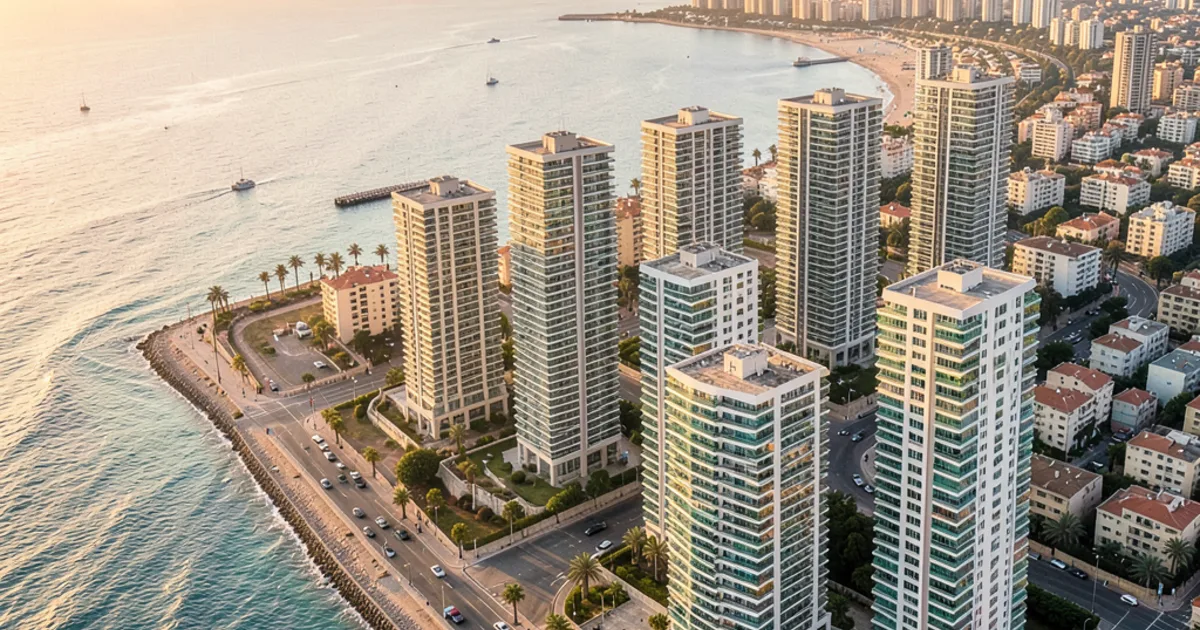
Netanya, a vibrant coastal city, is experiencing significant growth, particularly in its southern districts. For those considering Aliyah or investing in Israeli real estate, understanding the interplay between planned infrastructure projects and property values is paramount. This in-depth analysis by AliyahHomes delves into how these crucial urban developments are poised to reshape the real estate landscape, offering both opportunities and considerations for prospective homeowners and investors.
- Understanding Netanya's Southern Districts: A Landscape of Growth
- The Direct Link: How Transportation Infrastructure Fuels Property Appreciation
- The Ripple Effect: Educational and Healthcare Facilities as Value Multipliers
- Recreational and Commercial Hubs: Enhancing Lifestyle and Local Economy
- Urban Renewal and Zoning Changes: Reshaping the Landscape
- The Aliyah Factor: How New Immigrants Influence Demand and Values
- Investment Horizons: Long-Term vs. Short-Term Gains
- Navigating the Israeli Real Estate Landscape: Practical Considerations
- Potential Challenges and Mitigating Risks
- The Netanya Advantage: A Strategic Location for Future Growth
- Conclusion: A Promising Horizon for Netanya's Southern Districts
Understanding Netanya's Southern Districts: A Landscape of Growth
Netanya's southern districts represent a dynamic frontier of urban development, characterized by a blend of established neighborhoods and rapidly emerging residential zones. These areas, strategically located with access to major transportation arteries, are attracting significant investment and population growth, transforming from quiet locales into bustling communities. The demographic shift includes a notable influx of new immigrants, drawn by the promise of modern housing, community amenities, and a high quality of life.
The municipality's long-term vision for these districts emphasizes sustainable growth, aiming to balance residential expansion with the provision of essential services and green spaces. This comprehensive approach ensures that as new housing units are constructed, the supporting infrastructure keeps pace, preventing overcrowding and maintaining livability. This forward-thinking urban planning is a key differentiator, setting the stage for sustained property value appreciation.
From the burgeoning residential projects to the planned commercial hubs, the southern districts are a microcosm of Israel's national development trajectory. Their proximity to employment centers in the Sharon region and the broader Tel Aviv metropolitan area further enhances their appeal. This strategic positioning contributes significantly to their investment potential, making them attractive for both long-term residents and those seeking rental income opportunities.
The Direct Link: How Transportation Infrastructure Fuels Property Appreciation
One of the most immediate and impactful drivers of property value appreciation in any urban area is enhanced transportation infrastructure. In Netanya's southern districts, planned road expansions, new public transit routes, and improved connectivity to national highways are set to dramatically reduce commute times and increase accessibility. This improved mobility directly translates into a higher desirability for residential properties, as residents can more easily reach their workplaces, schools, and leisure activities.
The development of new interchanges and the upgrading of existing road networks, for instance, significantly reduce traffic congestion, making daily life more convenient for residents. Such improvements not only save time but also reduce stress, contributing to a better overall quality of life. For properties located within a reasonable distance of these enhanced routes, the market value is typically observed to increase as the perceived convenience rises.
Furthermore, the potential for new or expanded public transportation options, such as bus rapid transit (BRT) lines or even light rail extensions, can profoundly alter the real estate landscape. Properties situated near these transit hubs often command a premium due to the reduced reliance on private vehicles and the ease of access to central business districts. This 'transit-oriented development' approach is a well-documented phenomenon globally, and Netanya's southern districts are poised to benefit significantly from such initiatives.
- Upgraded road networks and new interchanges.
- Expansion of public bus routes and potential for new transit lines.
- Improved connectivity to national highways (e.g., Highway 2, Highway 4).
The Ripple Effect: Educational and Healthcare Facilities as Value Multipliers
Beyond transportation, the development of robust social infrastructure, particularly in education and healthcare, plays a pivotal role in solidifying property values and attracting families. New schools, kindergartens, and advanced medical centers in Netanya's southern districts are not merely amenities; they are fundamental components that enhance the long-term desirability of a neighborhood. Families prioritize access to quality education for their children and reliable healthcare services, making these factors significant considerations in their home-buying decisions.
The establishment of new educational institutions, ranging from state-of-the-art preschools to comprehensive high schools, creates a strong draw for young families. Neighborhoods known for their excellent schools often experience higher demand and, consequently, greater property value stability and growth. This effect is particularly pronounced in Israel, where community and family values are deeply ingrained, and educational opportunities are highly valued.
Similarly, the presence of modern healthcare facilities, including clinics, specialized medical centers, and even regional hospitals, provides residents with peace of mind and access to essential services. This can be a critical factor for older populations and families with young children. Areas with superior healthcare infrastructure are perceived as more secure and desirable, contributing to a sustained upward trajectory in property values over time.
Recreational and Commercial Hubs: Enhancing Lifestyle and Local Economy
The planned development of new parks, sports facilities, community centers, and commercial hubs in Netanya's southern districts is set to significantly enhance the overall lifestyle quotient. These amenities transform a collection of houses into a vibrant community, providing residents with opportunities for leisure, recreation, and social interaction. A rich offering of local amenities makes a neighborhood more attractive, directly influencing its perceived value and, ultimately, its market price.
Commercial developments, such as new shopping centers, local markets, and business parks, not only provide convenience but also create local employment opportunities. This self-sustaining ecosystem reduces the need for residents to travel long distances for daily necessities or work, further enhancing the appeal of living within the district. The presence of thriving local businesses also contributes to the vitality and character of a neighborhood, fostering a strong sense of community.
Green spaces and recreational areas, in particular, are increasingly valued by homebuyers for their positive impact on well-being and environmental quality. Planned parks, walking trails, and playgrounds offer residents spaces for relaxation and physical activity, contributing to a healthier lifestyle. Properties located in close proximity to these well-maintained public spaces often see a premium, underscoring the importance of quality-of-life amenities in real estate valuation.
Urban Renewal and Zoning Changes: Reshaping the Landscape
Urban renewal projects and strategic zoning changes are powerful tools that municipalities use to revitalize older areas and guide future development. In Netanya's southern districts, these initiatives might involve the demolition of outdated structures to make way for modern residential complexes, or the re-zoning of land from industrial to residential or mixed-use. Such transformations can dramatically alter the character of a neighborhood, often leading to substantial increases in property values as the area becomes more attractive and functional.
The 'Pinui Binui' (evacuate and build) and 'Tama 38' programs, common in Israel, are prime examples of urban renewal that directly impact property values. These programs incentivize property owners to renovate or reconstruct existing buildings, often adding new units and modernizing infrastructure. For owners in buildings undergoing such processes, the value of their property can see a significant uplift, reflecting the improved quality of their living space and the enhanced appeal of the surrounding area.
Furthermore, changes in zoning that allow for higher density or mixed-use developments can unlock previously untapped potential in certain plots of land. An area previously designated for low-rise residential might be re-zoned for high-rise apartments, or a purely residential zone might be updated to permit ground-floor commercial spaces. These changes can attract developers, spur new construction, and ultimately lead to a revaluation of all properties within the affected zone as the area's economic and social vibrancy increases.
The Aliyah Factor: How New Immigrants Influence Demand and Values
Aliyah, the immigration of Jews to Israel, is a constant and significant demographic force that profoundly impacts the Israeli real estate market, particularly in cities like Netanya. The southern districts, with their newer housing stock, developing communities, and often more accessible price points compared to central Tel Aviv or Jerusalem, are particularly appealing to new olim (immigrants). This sustained demand from a growing population segment acts as a powerful upward pressure on property values.
New immigrants often seek modern, family-friendly housing in communities that offer a welcoming environment and essential services for integration, such as ulpan (Hebrew language school) facilities and synagogues. The southern districts of Netanya are increasingly being developed with these needs in mind, making them prime destinations for those making Aliyah. This consistent influx of potential buyers helps maintain a healthy level of demand, even during broader market fluctuations.
Moreover, many olim arrive with capital from abroad, which they often choose to invest in real estate, either for their own residence or as an investment property. This influx of foreign capital further strengthens the market, contributing to price stability and growth. Understanding the specific needs and preferences of the Aliyah demographic is crucial for anticipating future demand trends in these developing areas.
Investment Horizons: Long-Term vs. Short-Term Gains
When considering the impact of infrastructure developments on property values in Netanya's southern districts, it's essential to differentiate between short-term fluctuations and long-term appreciation. While news of a major infrastructure project can cause an immediate, albeit often modest, bump in property interest, the most substantial gains are typically realized over a longer horizon as the projects move from planning to completion and their benefits become tangible.
Short-term gains might be speculative, driven by anticipation rather than concrete improvements. However, as roads are paved, schools open, and commercial centers begin operation, the true value proposition of a neighborhood crystallizes. Investors with a long-term perspective, often looking at a 5-10 year horizon or more, are best positioned to capitalize on the sustained growth that mature infrastructure brings to an area.
For those considering a purchase in Netanya's southern districts, it's prudent to assess the stage of development of various infrastructure projects. Properties in areas where projects are well underway or nearing completion might already reflect some of the anticipated value, while those in areas with projects still in the early planning stages could offer greater potential for future appreciation, albeit with a longer waiting period. This strategic timing is a key determinant of investment success.
Navigating the Israeli Real Estate Landscape: Practical Considerations
Investing in Israeli real estate, particularly in developing areas like Netanya's southern districts, requires a thorough understanding of local regulations and processes. Prospective buyers, especially those making Aliyah, should familiarize themselves with terms such as Tabu (land registry), Mas Rekhisha (purchase tax), and Mas Shevah (capital gains tax). These taxes and legal procedures can significantly impact the overall cost and profitability of a real estate transaction.
Securing a Mashkanta (mortgage) in Israel involves specific requirements and processes that differ from other countries. It's advisable to work with a reputable mortgage advisor who understands the nuances of the Israeli banking system and can guide you through the application process. Furthermore, understanding Arnona (municipal property tax) and its varying rates across different municipalities is crucial for budgeting ongoing property ownership costs.
Engaging with experienced local real estate professionals, including lawyers specializing in property law and real estate agents with deep knowledge of Netanya's southern districts, is paramount. They can provide invaluable guidance on due diligence, help navigate the binding memorandum (zichron devarim) stage, and ensure all legal aspects of the purchase are handled correctly. Expert advice mitigates risks and smooths the path to a successful property acquisition in Israel.
Potential Challenges and Mitigating Risks
While the outlook for Netanya's southern districts is largely positive, it's important for prospective buyers and investors to be aware of potential challenges and how to mitigate associated risks. Delays in infrastructure projects are not uncommon, influenced by budgetary constraints, bureaucratic hurdles, or unforeseen logistical issues. Such delays can postpone the anticipated appreciation in property values, requiring a longer investment horizon than initially planned.
Market fluctuations, while generally less volatile in Israel's historically robust real estate sector, can still occur. Economic downturns, changes in interest rates impacting Mashkanta affordability, or shifts in government policy could influence demand and pricing. Maintaining a diversified investment portfolio and having a clear long-term strategy can help buffer against such market uncertainties.
To mitigate these risks, thorough due diligence is essential. This includes researching the specific development plans for a chosen area, understanding the track record of developers, and consulting with local experts who can provide realistic timelines and market insights. For AliyahHomes clients, our role as trusted advisors is to provide this comprehensive guidance, ensuring informed decision-making and a secure investment.
The Netanya Advantage: A Strategic Location for Future Growth
Netanya's geographical position along Israel's beautiful Mediterranean coastline, coupled with its strategic location between Tel Aviv and Haifa, offers a unique advantage. The southern districts, in particular, benefit from this prime location, providing residents with access to major employment centers while maintaining a distinct community feel. This balance of urban connectivity and coastal living is a significant draw for both local Israelis and new immigrants.
The city's ongoing commitment to urban renewal and sustainable development ensures that its growth is managed thoughtfully, preserving green spaces and enhancing the quality of life for its residents. This proactive approach to urban planning differentiates Netanya from some other rapidly expanding cities, fostering a sense of long-term stability and desirability.
For those seeking a blend of modern living, community amenities, and strong investment potential, Netanya's southern districts present a compelling proposition. The anticipated impact of planned infrastructure developments suggests a trajectory of continued appreciation, making it an attractive location for establishing a home in Israel or expanding one's real estate portfolio.
Conclusion: A Promising Horizon for Netanya's Southern Districts
The planned infrastructure developments in Netanya's southern districts are poised to significantly enhance property values, driven by improved connectivity, enriched social amenities, and sustained demand from a growing population, including a strong Aliyah component. From upgraded transportation networks to new educational and recreational facilities, these projects are transforming the region into a highly desirable residential and investment hub.
For prospective homeowners and investors, understanding these intertwined factors is crucial for making informed decisions. While no investment is without risk, the strategic urban planning, coupled with Israel's resilient real estate market, suggests a promising horizon for these burgeoning communities. AliyahHomes stands ready to guide you through this evolving landscape, offering expert advice tailored to your unique needs.
As Netanya continues its trajectory of growth and modernization, its southern districts are emerging as key areas of opportunity. The long-term vision of the municipality, combined with the organic demand from both local residents and new olim, positions these neighborhoods for sustained appreciation. Investing here means investing in a future where quality of life and property value growth go hand in hand.
FAQ
How do new roads specifically affect property values in Netanya's southern districts?
New roads and improved interchanges reduce commute times and increase accessibility to employment centers and amenities. This enhanced convenience makes properties more desirable, typically leading to an increase in their market value as the area becomes more connected and less congested.
Are there specific government programs in Israel that boost property values through infrastructure?
Yes, programs like 'Pinui Binui' and 'Tama 38' are government-backed urban renewal initiatives that encourage the demolition and reconstruction or strengthening of older buildings. These programs often lead to modernized infrastructure and increased property values in the renovated areas.
What role does Aliyah play in the property market of developing areas like Netanya's south?
Aliyah brings a consistent influx of new residents, many of whom are seeking modern housing and community amenities. This sustained demand from new immigrants, often with capital for investment, acts as a significant upward pressure on property values in developing areas like Netanya's southern districts.
How can I research specific infrastructure plans for a neighborhood in Netanya's southern districts?
You can typically access detailed urban plans ('Taba' - Tochnit Binyan Ir) through the Netanya Municipality website or by consulting with a local real estate lawyer or agent. These plans outline future zoning, road developments, and planned public facilities for specific areas.
Get your personalised shortlist
Listings and up-to-date info, straight to your inbox, free, no obligation.
Get my shortlist →