Sustainable Living: Eco-Friendly Housing Trends in Israel
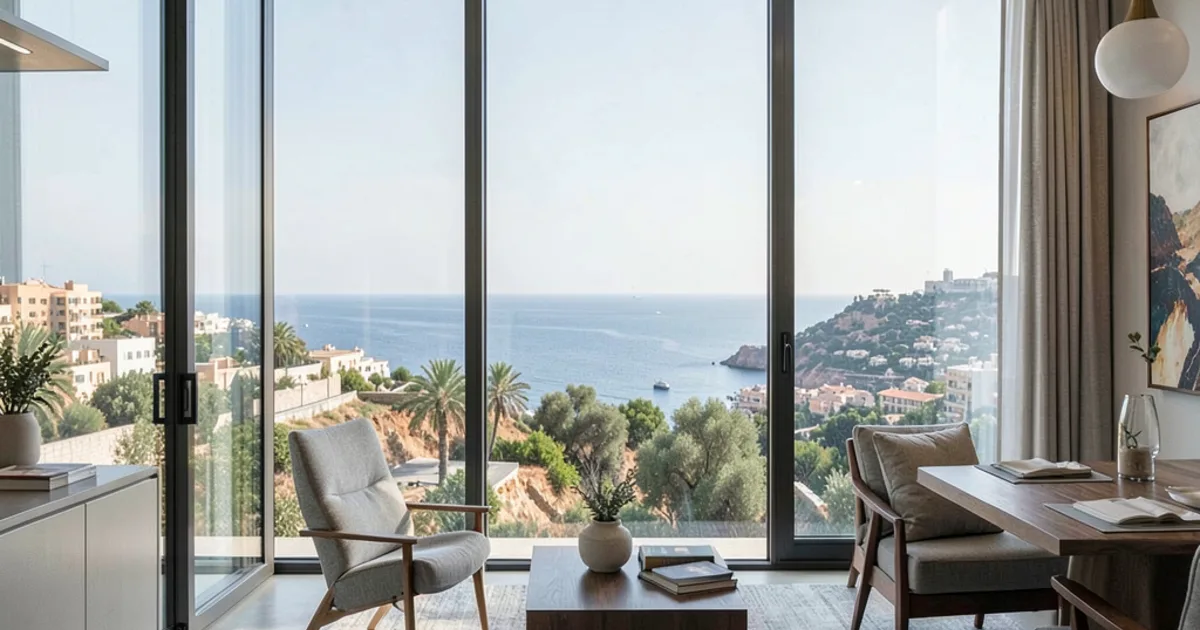
As environmental consciousness grows globally, Israel is emerging as a leader in sustainable urban development and eco-friendly residential design. From the high-rises of Tel Aviv to the stone villas of the Judean Hills, homeowners are increasingly prioritizing energy efficiency and resource conservation. This guide explores the evolving trends in green housing and how they impact your real estate decisions in Israel.
Quick answer: Sustainable living in Israel is increasingly defined by solar energy integration, smart water management systems, and energy-efficient building materials. These eco-friendly housing trends focus on adapting to the Mediterranean climate through passive cooling and resource conservation.
- The Evolution of Eco-Conscious Real Estate in Israel
- Energy Efficiency in High-Density Urban Centers
- Water Management and Conservation Strategies
- Advanced Construction Materials and Thermal Regulation
- Navigating the Financial and Legal Framework of Green Homes
- Sustainable Living in the Judean Hills and Jerusalem
- The Role of Smart Home Technology in Sustainability
- Impact of Green Features on Long-Term Property Value
- Integrating Urban Greenery and Rooftop Gardens
- Essential Advice for Aliyahim Seeking Green Homes
- The Future of Sustainable Housing in Israel
The Evolution of Eco-Conscious Real Estate in Israel
The landscape of Israeli real estate is undergoing a significant transformation as environmental awareness moves from the periphery to the center of consumer demand. For decades, residential construction focused primarily on maximizing space and proximity to urban centers, but a new paradigm is taking hold. Homeowners and developers are now recognizing that sustainability is not just a luxury but a necessity for long-term resilience in the Mediterranean climate.
This shift is driven by a combination of rising utility costs, increasing temperatures, and a cultural movement toward mindful living. In cities like Tel Aviv and Herzliya, where density is high, the focus has moved toward optimizing every square meter for energy efficiency. Meanwhile, in suburban areas like Ramat Beit Shemesh, there is a growing interest in integrating natural landscapes with modern residential structures.
For those making Aliyah, understanding this trend is vital for making sound long-term investments. A home that incorporates sustainable features is often more resilient to the fluctuating costs of energy and water. As the market matures, green certifications and eco-friendly building practices are becoming standard benchmarks for quality in the Israeli housing sector.
Energy Efficiency in High-Density Urban Centers
In the bustling metropolitan areas of Tel Aviv and Herzliya, the challenge of sustainability lies in managing high-density living without excessive energy consumption. Modern high-rise developments are increasingly incorporating passive cooling techniques to reduce the reliance on intensive air conditioning. This includes the strategic use of shading devices, specialized glass, and building orientations that take advantage of natural breezes.
Smart building management systems are becoming a staple in luxury urban developments. These systems allow residents to monitor and control their energy usage in real-time, ensuring that heating and cooling are only active when necessary. By integrating these technologies, developers can significantly lower the carbon footprint of an entire residential complex, providing a more sustainable lifestyle for urban dwellers.
Solar energy integration is another cornerstone of urban efficiency. Many new apartment blocks are now designed with rooftop solar arrays that can power common area lighting or provide individual energy credits to residents. This decentralized approach to energy production is helping to stabilize the local grid and reduce the overall environmental impact of city living.
- Passive cooling through architectural design
- High-performance double or triple glazing
- Rooftop solar energy installations
- Smart HVAC management systems
Water Management and Conservation Strategies
Water scarcity is a perennial challenge in Israel, making water conservation a top priority in residential design. In coastal cities like Netanya, where gardens and outdoor living spaces are highly valued, efficient water management is essential. Homeowners are increasingly looking for properties that feature integrated greywater recycling systems, which allow water from sinks and showers to be reused for irrigation.
Drip irrigation has become the standard for maintaining greenery in Israeli gardens, significantly reducing waste compared to traditional sprinkler systems. This method delivers water directly to the roots of plants, ensuring maximum absorption and minimum evaporation. When combined with drought-resistant landscaping, it allows for beautiful outdoor spaces that require minimal supplemental water.
The integration of smart water meters is also helping residents track their consumption and detect leaks immediately. In a country where water is a precious resource, these technologies provide both environmental benefits and financial savings. As municipal infrastructure evolves, the ability to manage water at the household level will become a key feature of high-quality real estate.
- Greywater recycling for landscape irrigation
- Advanced drip irrigation systems
- Drought-resistant Mediterranean landscaping
- Smart water monitoring and leak detection
Advanced Construction Materials and Thermal Regulation
The choice of building materials plays a critical role in how a home manages the intense Israeli sun. High-quality thermal insulation is no longer an optional upgrade but a fundamental requirement for sustainable living. By using advanced insulation materials in walls and roofs, homes can maintain a stable internal temperature, drastically reducing the need for mechanical cooling during the summer months.
Low-carbon construction materials are also gaining traction among environmentally conscious developers. This includes the use of recycled aggregates, sustainable timber, and locally sourced stone. By reducing the 'embodied carbon' of a building, the energy used to create and transport its materials, the overall environmental impact of the construction process is significantly lowered.
Thermal mass is another concept being applied more frequently in modern Israeli architecture. Materials like stone or heavy concrete can absorb heat during the day and release it slowly at night. This natural regulation helps to smooth out temperature fluctuations, creating a more comfortable indoor environment and reducing the strain on energy-intensive climate control systems.
Navigating the Financial and Legal Framework of Green Homes
Purchasing a sustainable home involves understanding specific financial and legal nuances within the Israeli system. When calculating your budget, you must consider the Mas Rekhisha (purchase tax), which is based on the property value. While the tax itself may not differ based on eco-features, the long-term operational savings from an energy-efficient home can significantly impact your overall cost of living.
When applying for a Mashkanta (mortgage), it is worth inquiring with your bank about potential 'green loans' or preferential interest rates for certified eco-friendly properties. Some financial institutions are beginning to offer incentives for buyers who invest in sustainable housing. This can make the initial higher cost of a green-certified home more manageable over the life of the mortgage.
Before signing the binding memorandum (Hov Sheva), it is crucial to verify the property's environmental credentials through the Tabu (land registry) or municipal building permits. You should ensure that any promised green features, such as solar installations or greywater systems, are legally documented and compliant with local regulations. Working with a local agency and a notary can help ensure that all environmental claims are verified and legally binding.
- Assessing Mas Rekhisha impact on total budget
- Exploring green Mashkanta options
- Verifying building permits via the Tabu
- Reviewing environmental clauses in the binding memorandum
Sustainable Living in the Judean Hills and Jerusalem
In the Jerusalem area and the surrounding Judean Hills, sustainability often takes the form of respecting traditional building methods while integrating modern technology. The use of Jerusalem stone is not just an aesthetic choice but a functional one, providing excellent thermal mass that helps regulate temperatures in the hilly terrain. This traditional approach aligns perfectly with modern goals of energy efficiency.
The topography of these regions requires careful planning to minimize environmental disruption. Sustainable developments in these areas often focus on preserving natural drainage patterns and protecting local flora. This careful integration ensures that the built environment coexists harmoniously with the rugged, beautiful landscape of the hills.
For residents in these areas, sustainability also means managing the unique microclimates of the highlands. Homes designed with proper orientation and wind-flow considerations can take advantage of the cooler mountain air, reducing the need for artificial cooling. This creates a lifestyle that is deeply connected to the natural surroundings of the region.
The Role of Smart Home Technology in Sustainability
The intersection of the Internet of Things (IoT) and sustainable living is creating a new era of 'smart green homes.' These residences use interconnected devices to optimize energy, water, and security. For example, smart thermostats can learn a resident's schedule, ensuring that energy is not wasted heating or cooling an empty house, which is particularly beneficial for busy professionals in Tel Aviv.
Smart lighting systems that adjust based on the amount of natural sunlight available can also lead to significant energy savings. Furthermore, integrated energy management apps allow homeowners to monitor their electricity consumption in real-time. This data-driven approach empowers residents to make informed decisions about their usage patterns and identify areas for improvement.
Even the management of municipal costs like Arnona (property tax) can be indirectly influenced by smart technology. While Arnona is based on property size and location, the efficiency of a home reduces the overall cost of living, making the property more economically sustainable. Integrating technology into the home is a proactive way to manage both environmental impact and household expenses.
Impact of Green Features on Long-Term Property Value
There is a growing consensus in the real estate market that eco-friendly features contribute positively to long-term property value. As buyers become more educated about energy costs and environmental impact, demand for 'green' homes is expected to rise. A property with high-quality insulation, solar readiness, and water-saving systems is often viewed as a more premium asset.
While the initial investment for a sustainable home may be higher than a conventional one, the return on investment is often realized through significantly lower utility bills. Over several years, the savings on electricity and water can offset the higher purchase price. This makes green homes particularly attractive to long-term residents and savvy investors looking for stability.
Furthermore, as environmental regulations become more stringent, homes that are already compliant with high sustainability standards will be less likely to require expensive retrofitting. This future-proofing is a significant advantage in the resale market. A home that is ready for the future is always more marketable than one that relies on outdated, inefficient systems.
Integrating Urban Greenery and Rooftop Gardens
In densely populated areas, the concept of 'vertical greenery' is becoming a vital tool for urban sustainability. Rooftop gardens and balcony greenery help to mitigate the 'urban heat island' effect, where city surfaces absorb and radiate heat. By adding vegetation to rooftops, buildings can stay cooler, reducing the temperature of the immediate surroundings and the building itself.
Rooftop gardens also provide unexpected benefits, such as improved air quality and increased biodiversity within the city. For residents in apartment buildings, these spaces offer a much-needed connection to nature, which has been shown to improve mental well-being. In many new developments, these green spaces are being designed as communal areas to foster a sense of community.
Beyond the psychological benefits, urban greenery plays a role in stormwater management. Vegetation and specialized soil layers can help absorb rainfall, reducing the pressure on municipal drainage systems during heavy storms. This integration of nature into the urban fabric is a hallmark of modern, sustainable Israeli city planning.
- Mitigating urban heat island effects
- Improving local air quality
- Enhancing resident mental well-being
- Managing stormwater runoff
Essential Advice for Aliyahim Seeking Green Homes
Navigating the Israeli real estate market as a newcomer can be daunting, especially when looking for specific eco-friendly features. It is highly recommended that you begin your journey by improving your Hebrew through an Ulpan. While many professionals speak English, understanding the local terminology for building standards and legal documents will give you much greater control over the process.
When reviewing a property, do not rely solely on verbal promises from a developer. Always ensure that any sustainable features mentioned are included in the binding memorandum and are reflected in the technical specifications. It is wise to consult with a local agency that has experience in the specific area you are targeting, such as Netanya or Ramat Beit Shemesh, to understand local environmental nuances.
Finally, consider the long-term implications of your purchase. A sustainable home is an investment in both the planet and your own financial future. Take the time to research the energy efficiency ratings of buildings and the water management capabilities of the neighborhood. A thorough due diligence process will ensure that your new home in Israel is truly a sustainable sanctuary.
The Future of Sustainable Housing in Israel
The future of Israeli housing is undeniably green. As the government continues to implement stricter building codes and environmental regulations, the baseline for what constitutes a 'standard' home is rising. We can expect to see more widespread use of renewable energy, even more advanced water recycling technologies, and a greater emphasis on circular construction methods.
Technological advancements will continue to drive this evolution. From AI-driven energy management to new bio-based building materials, the tools available to developers and homeowners are expanding rapidly. This will lead to homes that are not just efficient, but truly regenerative, contributing positively to their local ecosystems.
As the culture of sustainability becomes more deeply embedded in Israeli society, we will likely see a shift toward community-based green living. Neighborhoods designed around shared resources, such as communal solar grids or community gardens, will become more common. For the Aliyahim and locals alike, the move toward sustainable living represents a commitment to a higher quality of life for generations to come.
FAQ
How can I verify if a home in Israel is truly eco-friendly?
You should check the building permits and technical specifications in the Tabu or through the local municipality. Look for documented features like solar installations, greywater systems, or high-performance insulation in the binding memorandum.
Get your personalised shortlist
Listings and up-to-date info, straight to your inbox, free, no obligation.
Get my shortlist →