Is it better to rent or buy a 2-bedroom apartment in Florentin, Tel Aviv for a young professional?
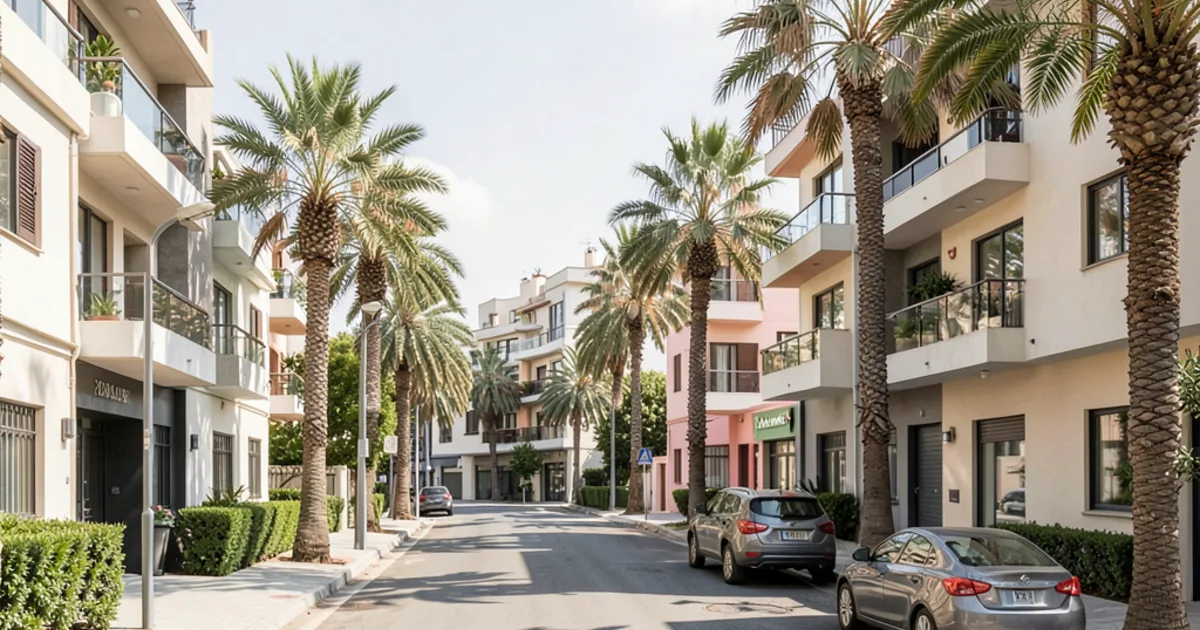
Florentin, Tel Aviv, with its bohemian charm, artistic vibe, and burgeoning culinary scene, has become a magnet for young professionals seeking a dynamic urban lifestyle. For those considering making this trendy neighborhood their home, a critical decision looms: should you rent a 2-bedroom apartment, or is it time to take the plunge into homeownership? This comprehensive guide from AliyahHomes, your trusted adviser for real estate in Israel, delves deep into the financial and lifestyle implications of each path, tailored specifically for English-speaking young professionals eyeing Florentin.
- Understanding the Florentin Appeal for Young Professionals
- The Financial Landscape of Renting a 2-Bedroom in Florentin
- The Allure of Buying: Building Equity and Long-Term Investment
- Navigating the Upfront Costs of Buying in Israel
- The Mortgage Landscape (Mashkanta) for Young Professionals
- Ongoing Costs of Homeownership: Beyond the Mortgage
- The Role of Legal Counsel and Due Diligence
- Market Dynamics and Future Value in Florentin
- Lifestyle Considerations and Personal Flexibility
- Financial Planning and Expert Guidance from AliyahHomes
Understanding the Florentin Appeal for Young Professionals
Florentin's unique blend of old-world charm and contemporary cool makes it exceptionally attractive to young professionals. Its central location offers easy access to Tel Aviv's major business districts, cultural institutions, and, importantly, its vibrant nightlife and culinary landscape. The neighborhood fosters a strong sense of community, with local cafes, art galleries, and co-working spaces contributing to its magnetic allure.
Beyond its immediate surroundings, Florentin's proximity to public transport hubs and major thoroughfares ensures connectivity across the greater Tel Aviv metropolitan area. This accessibility is a significant factor for professionals commuting to various parts of the city or seeking to explore Israel's diverse offerings on weekends. The energy and youthful demographic of the area perfectly align with the aspirations of many young individuals establishing their careers.
The architectural character of Florentin, featuring a mix of renovated Bauhaus buildings, industrial lofts, and charming older structures, offers a diverse range of housing options. While 1-bedroom units are common, 2-bedroom apartments provide the flexibility for a home office, a guest room, or shared living, which is often a key consideration for young professionals planning for their near-term future or seeking to split costs with a roommate.
The Financial Landscape of Renting a 2-Bedroom in Florentin
Renting in Florentin offers significant flexibility and a lower upfront financial commitment, making it an appealing option for many young professionals. The primary costs associated with renting include the monthly rent itself, typically paid in advance, and a security deposit, which can range from a few months' rent to a bank guarantee. Additionally, tenants are usually responsible for utility bills (electricity, water, gas), Arnona (municipal tax, a portion of which may be covered by the landlord depending on the agreement), and sometimes building maintenance fees (Va'ad Bayit).
One of the main advantages of renting is the predictability of expenses. Aside from fluctuations in utility usage, your monthly housing cost remains relatively stable, allowing for easier budgeting. This predictability is particularly valuable for those early in their careers who might have fluctuating incomes or are still establishing their financial footing. Lease agreements in Israel are typically for one year, often with an option to extend, providing a degree of stability without the long-term commitment of ownership.
However, renting also means that your monthly payments do not build equity. While you gain a place to live, you are not accumulating an asset. Rent prices in desirable areas like Florentin have seen steady increases over time, meaning that your housing costs could rise upon lease renewal. This lack of long-term financial gain is a significant factor that often prompts individuals to consider buying, despite the initial complexities.
The Allure of Buying: Building Equity and Long-Term Investment
For many, the primary draw of buying a property in Florentin is the opportunity to build equity and secure a long-term investment. Unlike rent, mortgage payments contribute towards owning an asset that can appreciate in value over time. Israeli real estate, particularly in prime locations like Tel Aviv, has historically shown resilience and growth, making homeownership an attractive wealth-building strategy. An apartment in Florentin can not only provide a stable home but also serve as a significant asset in your financial portfolio.
Ownership also offers a sense of stability and permanence that renting cannot. You have the freedom to renovate, decorate, and truly make the space your own without seeking landlord approval. This personal investment in your living environment can significantly enhance your quality of life and create a stronger connection to your community. Furthermore, owning a property can provide a hedge against inflation, as real estate values and rental income often keep pace with, or even outpace, rising costs.
Beyond personal satisfaction, an owned property can be a valuable asset for future financial endeavors. It can be leveraged for loans, serve as collateral, or eventually be sold to fund other investments or a move to a larger home. The long-term perspective of wealth creation through real estate is a powerful motivator for many young professionals, especially in a dynamic market like Tel Aviv where demand consistently outstrips supply.
Navigating the Upfront Costs of Buying in Israel
Purchasing a 2-bedroom apartment in Florentin involves substantial upfront costs, which are a major hurdle for many first-time buyers. The most significant is the down payment, which typically ranges from a substantial percentage of the property's value. This initial capital outlay can be a significant barrier for young professionals, requiring years of diligent saving or financial assistance.
Beyond the down payment, buyers must account for a series of additional expenses. Mas Rekhisha, or purchase tax, is a tiered tax levied by the government based on the property's value and the buyer's citizenship/residency status, with different rates for Israeli citizens and new immigrants (Olim Hadashim) for their first property. This tax can amount to a considerable sum and must be factored into the total cost of acquisition.
Other significant upfront costs include legal fees for both your attorney and the seller's, often a standard percentage of the sale price. There are also brokerage fees, if you use a real estate agent, which are typically a percentage of the sale price plus VAT. Appraisal fees for the bank, registration fees at the Tabu (land registry), and possibly mortgage opening fees further contribute to the initial financial burden. It's crucial to budget meticulously for these 'closing costs' as they can collectively add up to a substantial percentage on top of the property's purchase price.
The Mortgage Landscape (Mashkanta) for Young Professionals
For most young professionals, securing a Mashkanta (mortgage) is an essential step in financing a property purchase in Israel. Israeli banks offer various mortgage products, including fixed-rate, variable-rate, and prime-linked options, often structured in a combination to mitigate risk. Understanding these options and their implications for your monthly payments and long-term interest costs is paramount.
The eligibility criteria for a mortgage in Israel involve a thorough assessment of your financial standing, including income stability, credit history, and existing debts. Banks typically require a certain debt-to-income ratio and will scrutinize your ability to service the monthly mortgage payments. For young professionals, demonstrating a stable employment history and a clear career path can be crucial in securing favorable terms. New immigrants (Olim Hadashim) may have access to specific governmental assistance programs or more lenient mortgage terms for a limited period after their Aliyah.
Engaging with a mortgage broker can be highly beneficial. These professionals can navigate the complex banking landscape, compare offers from different institutions, and help you structure a mortgage that aligns with your financial capacity and long-term goals. They can also assist in preparing the necessary documentation, which often includes salary slips, bank statements, and proof of down payment funds, simplifying a potentially daunting process.
Ongoing Costs of Homeownership: Beyond the Mortgage
Owning a 2-bedroom apartment in Florentin extends beyond just the monthly mortgage payment. Homeowners are responsible for a range of ongoing expenses that renters do not typically bear. The full Arnona (municipal tax) is a significant recurring cost, calculated based on the property's size and location. Additionally, homeowners pay Va'ad Bayit (building maintenance fees) which cover common area upkeep, cleaning, and sometimes services like a building manager or elevator maintenance.
Property insurance is another crucial ongoing expense, typically comprising both structural insurance (covering the building itself) and content insurance (covering your belongings). While structural insurance might be a condition of your mortgage, content insurance is highly recommended to protect your assets. These policies can vary significantly in cost depending on coverage levels and the property's characteristics.
Furthermore, homeowners must budget for unexpected repairs and maintenance. Unlike renting, where the landlord handles most major issues, as an owner, you are responsible for everything from a leaky faucet to a faulty air conditioner or roof repairs. Setting aside a dedicated fund for home maintenance is a prudent financial strategy to avoid being caught off guard by unforeseen expenses. These cumulative ongoing costs necessitate a robust financial plan beyond just the mortgage payment.
The Role of Legal Counsel and Due Diligence
Regardless of whether you choose to rent or buy, engaging competent legal counsel is non-negotiable in the Israeli real estate market. For renters, an attorney can review the lease agreement, ensuring that terms are fair, understandable, and protect your rights. They can clarify clauses related to security deposits, maintenance responsibilities, and lease termination. While some might skip this step for rentals, it's a small investment that can prevent significant headaches down the line.
For buyers, the role of an attorney is far more extensive and critical. Your lawyer will conduct thorough due diligence on the property, verifying ownership through the Tabu land registry, checking for any liens, mortgages, or building violations. They will review the building's permits and ensure all necessary approvals are in place, particularly for older buildings common in Florentin that may have undergone various renovations or additions.
The attorney drafts and negotiates the binding memorandum of understanding (Zichron Devarim) and the final purchase agreement (Heskem Mekhira), ensuring all legal requirements are met and your interests are protected. They also manage the transfer of funds, coordinate with the bank for the mortgage, and oversee the registration of the property in your name at the Tabu. This comprehensive legal oversight is essential for a secure and smooth transaction in Israel.
Market Dynamics and Future Value in Florentin
Florentin's real estate market has experienced significant appreciation over recent years, driven by its growing popularity and ongoing urban renewal projects. The neighborhood's transformation from an industrial zone to a sought-after residential and cultural hub suggests a positive long-term outlook for property values. This upward trend makes buying an attractive proposition for those looking to benefit from capital appreciation.
However, like any market, future growth is not guaranteed. Economic fluctuations, changes in interest rates, and broader national or global events can influence property values. While Tel Aviv real estate is often seen as a relatively safe long-term investment, potential buyers should be aware that market cycles exist. The current demand for 2-bedroom apartments in Florentin among young professionals and small families suggests continued stability, but a nuanced perspective is always advised.
For those considering selling in the future, it's important to understand Mas Shevah, or capital gains tax, which is levied on the profit made from selling a property. While there are certain exemptions for primary residences, especially for Israeli citizens, it's a factor to consider in the overall financial calculation of homeownership. Understanding these market dynamics and tax implications is vital for making an informed decision about buying in Florentin.
Lifestyle Considerations and Personal Flexibility
Beyond the financial figures, lifestyle and personal flexibility play a crucial role in the rent vs. buy decision. Renting offers unparalleled flexibility, allowing you to easily relocate for career opportunities, personal relationships, or simply to experience a different neighborhood or city. This freedom is particularly appealing to young professionals who may not yet be ready to commit to a single location for many years.
Homeownership, while offering stability, comes with reduced flexibility. Selling a property can be a lengthy and complex process, involving significant transaction costs and market timing considerations. This commitment means that if your career or personal circumstances change, moving might involve more logistical and financial hurdles. For those who anticipate potential international moves or significant career shifts, renting might align better with a more agile lifestyle.
However, for those who envision a long-term future in Florentin and Tel Aviv, homeownership can provide a deep sense of belonging and community integration. The ability to customize your living space, invest in your neighborhood, and establish roots can be profoundly rewarding. Ultimately, the choice hinges on your personal priorities, career trajectory, and long-term vision for your life in Israel.
Financial Planning and Expert Guidance from AliyahHomes
Regardless of whether you lean towards renting or buying, meticulous financial planning is paramount. For renters, this involves creating a robust budget that accounts for rent, utilities, Arnona, and living expenses, while also building savings for emergencies or a future down payment. For buyers, the financial planning is more extensive, encompassing down payment savings, mortgage pre-approval, and a comprehensive understanding of all upfront and ongoing costs.
Engaging with financial advisors and real estate experts early in the process can provide invaluable insights and guidance. An expert can help you assess your current financial standing, project future income, and determine what you can realistically afford. They can also help you understand the various government benefits available for new immigrants (Olim Hadashim) and first-time buyers, which can significantly impact your financial calculations.
AliyahHomes specializes in guiding English-speaking individuals through the intricacies of the Israeli real estate market. Our advisers can connect you with trusted local professionals, attorneys, mortgage brokers, and tax consultants, who are fluent in English and deeply familiar with Israeli laws and practices. This comprehensive support ensures that you make informed decisions, whether you're searching for the perfect rental or embarking on the journey of homeownership in vibrant Florentin.
FAQ
What is the average security deposit for a rental apartment in Florentin?
Security deposits for rentals in Florentin can vary, but typically range from one to three months' rent. Sometimes, a bank guarantee (Arvut Banka'it) or guarantor signatures (Arvim) are requested instead of or in addition to a cash deposit.
Are there any government grants or assistance programs for first-time homebuyers in Israel?
Yes, the Israeli government offers various programs, particularly for first-time buyers and new immigrants (Olim Hadashim). These can include discounted mortgage rates, government-backed loans, or assistance with certain fees, though eligibility criteria apply and programs can change.
What is 'Arnona' and how is it calculated for a 2-bedroom apartment?
Arnona is a municipal property tax paid by both renters (sometimes partially) and owners. It's calculated based on the size of the property (square meters) and its location, with different rates set by each municipality. Discounts may be available for certain demographics.
How long does the home buying process typically take in Israel from offer to Tabu registration?
The home buying process in Israel can take several months. From the initial offer to signing the binding contract, it might be a few weeks. The period between contract signing and final registration at the Tabu (land registry) can extend from a few months to over half a year, depending on various factors including mortgage approval and legal due diligence.
Get your personalised shortlist
Listings and up-to-date info, straight to your inbox, free, no obligation.
Get my shortlist →