How do I assess the quality of a new construction project in Herzliya before making an off-plan purchase?
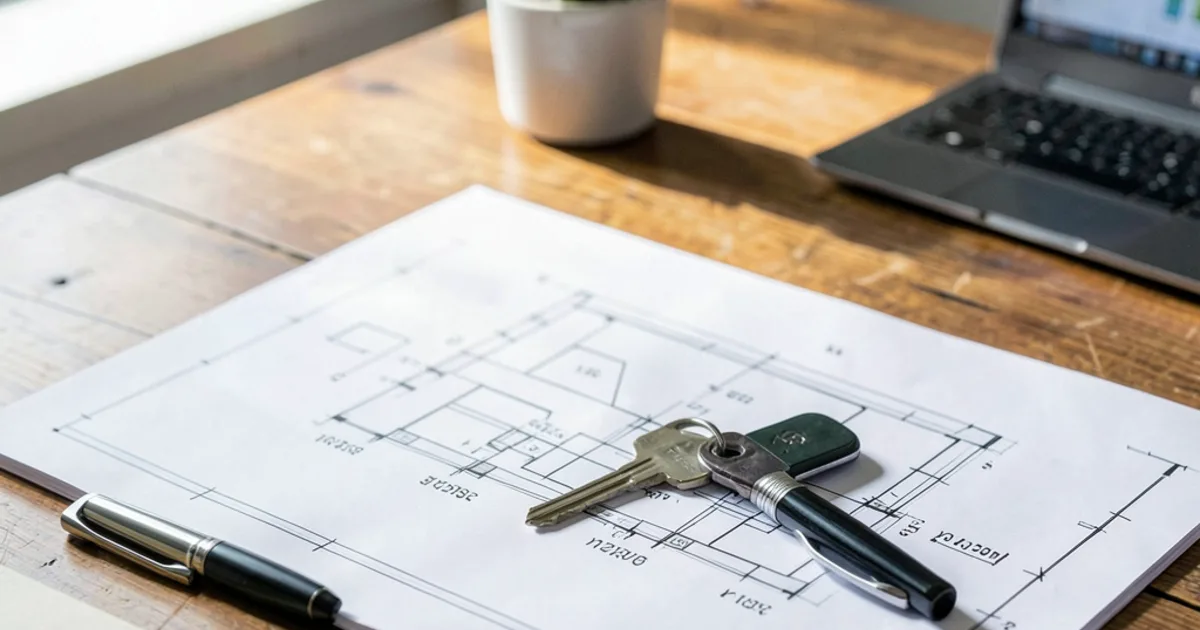
Herzliya, with its stunning coastline, burgeoning tech scene, and high quality of life, remains a coveted destination for both local and international buyers, especially those making Aliyah. Investing in a new construction project, particularly off-plan, offers the allure of modern amenities and personalized touches, but it also presents unique challenges. As your trusted advisor at AliyahHomes, we understand the importance of making an informed decision when purchasing your dream home in Israel. This comprehensive guide will equip you with the knowledge and practical steps to thoroughly assess the quality of a new construction project in Herzliya before committing to an off-plan purchase.
- Why is Off-Plan Assessment Crucial for New Builds in Herzliya?
- How Do I Research the Developer's Reputation and Track Record?
- What Legal and Financial Due Diligence is Necessary?
- How Do I Evaluate the Project's Plans, Specifications, and Permits?
- What Should I Look for in the Construction Site and Sample Apartment?
- How Do I Assess the Building's Structural Integrity and Materials?
- What About Common Areas, Amenities, and Green Spaces?
- Understanding Warranties, Guarantees, and After-Sales Service
- Engaging an Independent Building Inspector (Bodek Batim)
- Navigating Contractual Nuances and Avoiding Common Pitfalls
- Considering the Neighborhood and Future Development in Herzliya
- Your AliyahHomes Advantage: Expert Guidance for a Seamless Purchase
Why is Off-Plan Assessment Crucial for New Builds in Herzliya?
Purchasing off-plan means buying a property that is yet to be built or is under construction, based on architectural plans and renderings. While this can offer attractive pricing and the ability to customize certain aspects, it inherently involves a higher degree of trust in the developer and the project's future execution. Without a physical structure to inspect, buyers must rely heavily on documentation, reputation, and expert advice to gauge the eventual quality.
Herzliya's real estate market is dynamic and competitive, with numerous developers vying for attention. The quality of construction, materials, and finishes can vary significantly between projects, even within the same desirable neighborhoods. A thorough assessment mitigates risks associated with potential delays, deviations from plans, and substandard workmanship, protecting your substantial investment.
For Olim, understanding the nuances of the Israeli construction industry and legal framework is paramount. What might be standard practice in your country of origin could differ significantly here, impacting everything from contract terms to warranty periods. This initial due diligence ensures you are fully aware of what you are purchasing and sets clear expectations for the final product.
How Do I Research the Developer's Reputation and Track Record?
The developer's reputation is arguably the most critical factor when considering an off-plan purchase. A developer with a proven history of delivering high-quality projects on time and within budget provides a strong foundation of trust. Begin by identifying the primary developer and any associated construction companies involved in the project.
Investigate their past projects in Herzliya and other cities like Tel Aviv or Netanya. Look for completed buildings and, if possible, speak with residents who purchased off-plan from them previously. Online reviews, industry forums, and local real estate publications can also offer valuable insights into their reliability, customer service, and the longevity of their construction.
Pay attention to any history of legal disputes, significant delays, or complaints regarding construction quality. While every developer might face minor issues, a pattern of unresolved problems should be a red flag. A reputable developer will typically be transparent about their portfolio and willing to provide references or allow site visits to their completed projects.
What Legal and Financial Due Diligence is Necessary?
Before signing any binding memorandum (Zichron Devarim) or contract, comprehensive legal and financial checks are indispensable. Engage an independent Israeli real estate lawyer specializing in new construction to review all documentation. This is not merely a recommendation; it is an absolute necessity to protect your interests.
Your lawyer will verify the developer's ownership of the land through the Tabu (Israel Land Registry) or ensure they have a valid long-term lease. They will also examine all necessary building permits, ensuring the project is fully authorized by Herzliya municipality and complies with all zoning regulations. This prevents future legal complications or construction halts.
Financially, your lawyer will scrutinize the payment schedule, ensuring it aligns with construction milestones and that your payments are secured by a bank guarantee (Arabut Bankait) as mandated by the Israeli Sale Law (Hakika L'Mekher). This guarantee protects your funds in case the developer defaults or the project isn't completed. They will also advise on Mas Rekhisha (purchase tax) implications, potential Mas Shevah (capital gains tax) if you sell in the future, and Mashkanta (mortgage) options available from Israeli banks.
Furthermore, understand the terms of the contract regarding delays, changes, and dispute resolution. Ensure that penalties for developer delays are clearly stipulated and that mechanisms for addressing construction defects are robust. Clarify all costs, including connection fees for utilities and any potential Arnona (municipal property tax) adjustments post-construction.
How Do I Evaluate the Project's Plans, Specifications, and Permits?
Beyond the glossy brochures, delve into the detailed architectural plans (Taba - Urban Building Plan) and technical specifications (Mifrat Perut). These documents are the blueprint for your future home and define the quality of materials and finishes. Understand the exact layout, dimensions, and orientation of your specific unit, as well as the common areas.
The Mifrat Perut will list every material, from the type of tiles in the bathroom to the brand of kitchen appliances, the quality of windows, insulation, and air conditioning systems. Don't hesitate to ask for clarification on anything you don't understand. Compare the specified items against current market standards for quality and durability. Are they reputable brands? Are they energy-efficient?
Ensure that all necessary permits are in place, not just for the overall building but also for specific features or modifications. Your legal counsel will confirm this. Any significant deviation from approved plans without proper amendments could lead to future issues. Pay attention to details like parking allocation, storage units, and access to communal facilities, ensuring they match your expectations and the developer's promises.
What Should I Look for in the Construction Site and Sample Apartment?
If construction has already begun, request a visit to the site. While safety regulations might limit access to active construction zones, observing the overall organization, cleanliness, and the quality of work being performed (even from a distance) can provide clues about the developer's standards. Look for proper safety measures, organized material storage, and a general sense of professionalism.
Many developers will have a sample apartment (dirat hadgama) available for viewing. This is your opportunity to experience the proposed finishes, spatial planning, and overall aesthetic. While it's often designed to impress, critically evaluate the quality of the workmanship, the alignment of tiles, the functionality of fixtures, and the feel of the materials. Take photos and notes.
Remember that a sample apartment represents the *ideal* finish. Ask explicit questions about what is included as standard and what constitutes an upgrade. Be clear about any customizations you desire and ensure they are documented in your contract. Don't be swayed solely by aesthetics; consider the practical aspects like storage, natural light, and noise insulation.
How Do I Assess the Building's Structural Integrity and Materials?
While you won't be able to personally assess the structural engineering, you can ensure that the developer employs reputable engineers and adheres to Israeli building codes and standards (Tekenim Israeli'im). Request to see documentation proving compliance with seismic standards, fire safety regulations, and accessibility requirements. An experienced real estate lawyer or an independent building inspector can help verify this.
Inquire about the type of concrete used, the quality of steel reinforcement, and the methods of foundation construction. While technical, these details contribute significantly to the long-term durability and safety of the building. Ask about the insulation materials for walls, roofs, and windows, as these directly impact energy efficiency and soundproofing, crucial for comfort in Herzliya's climate.
The choice of exterior cladding, roofing materials, and common area finishes also speaks volumes about the project's longevity and maintenance costs. High-quality, durable materials might mean a higher initial cost but often translate to lower maintenance expenses and better aesthetic retention over time. Ensure these are clearly specified in the contract.
What About Common Areas, Amenities, and Green Spaces?
An off-plan purchase in Herzliya often includes access to shared facilities and common areas, which significantly contribute to the overall quality of life. Scrutinize the plans for lobbies, elevators, parking garages, storage rooms, fitness centers, swimming pools, and communal gardens. Are these designed for durability, ease of maintenance, and aesthetic appeal?
Pay attention to the materials specified for common areas, durable flooring, robust lighting, and resilient landscaping. Poorly chosen materials in these areas can quickly degrade, leading to increased maintenance fees (Va'ad Bayit) for residents. Understand the planned security systems, including intercoms, surveillance cameras, and access control.
Consider the developer's commitment to green spaces and environmental sustainability. Many modern Herzliya projects incorporate elements like rainwater harvesting, energy-efficient lighting, and native landscaping. These features not only enhance the living environment but can also contribute to lower utility bills and a higher resale value. Ensure the maintenance responsibilities for these areas are clearly defined.
Understanding Warranties, Guarantees, and After-Sales Service
A critical aspect of assessing quality for a new construction is understanding the developer's warranty and after-sales service policy. In Israel, new construction properties typically come with a legal warranty period (Bedek) for various components, ranging from one year for minor defects to several years for structural issues. Your contract should clearly outline these periods and the procedure for reporting and rectifying defects.
Ensure the contract specifies a clear and efficient process for addressing any snagging issues identified during the pre-handover inspection (Masirat Ha'Di'ra). A reputable developer will have a dedicated customer service team to handle these concerns promptly and professionally. Ask about their track record in resolving post-occupancy issues.
Beyond the legal minimums, some developers offer extended warranties or service agreements for certain systems or appliances. Clarify what is covered, for how long, and who is responsible for repairs. A strong warranty and responsive after-sales service are indicators of a developer's confidence in their product and their commitment to customer satisfaction.
Engaging an Independent Building Inspector (Bodek Batim)
While your lawyer handles legal aspects, hiring an independent building inspector (Bodek Batim) is highly recommended, especially for the final inspection before handover. This professional will conduct a thorough examination of your unit and common areas, identifying any construction defects, deviations from plans, or non-compliance with Israeli standards. Their expertise can uncover issues that are not apparent to the untrained eye.
The Bodek Batim will provide a detailed report outlining all deficiencies, which can then be presented to the developer for rectification before you take possession. This report serves as crucial documentation if disputes arise later. Engaging them at earlier stages, if possible, can also be beneficial, particularly during key construction milestones.
The cost of a Bodek Batim is a small investment compared to the potential expenses of repairing significant defects discovered after you've moved in. Choose an inspector with extensive experience in new construction in Israel, preferably with a strong reputation in areas like Herzliya, Tel Aviv, or Ramat Beit Shemesh, and ensure they are truly independent of the developer.
Navigating Contractual Nuances and Avoiding Common Pitfalls
The purchase contract is a complex legal document, and understanding its nuances is paramount. Your lawyer will explain clauses related to payment schedules, penalties for delays, conditions for project cancellation, and mechanisms for dispute resolution. Be wary of overly broad clauses that may favor the developer and seek clarification or amendments where necessary.
One common pitfall is misunderstanding the 'binding memorandum' (Zichron Devarim) or preliminary agreements. These can sometimes be legally binding even before the full contract is signed, so it's crucial to have legal review before committing to any initial document. Ensure your lawyer reviews every single document you are asked to sign.
Another pitfall is assuming that verbal promises will be honored. Always insist that any commitments made by the developer, especially regarding specific finishes, modifications, or timelines, are explicitly included in the written contract. If it's not in writing, it's difficult to enforce. Be patient, ask questions, and never feel pressured to sign anything you don't fully understand.
Considering the Neighborhood and Future Development in Herzliya
Beyond the specific building, consider the broader neighborhood context in Herzliya. Research local amenities, schools, transportation links, and future development plans for the area. A high-quality building in a declining or undesirable neighborhood may not retain value as well as a moderately good building in a thriving area. Visit the neighborhood at different times of day to get a feel for noise levels, traffic, and general atmosphere.
Investigate any planned infrastructure projects, commercial developments, or changes in zoning that could impact your property's value or quality of life. For instance, a new road or a large commercial center nearby could bring both benefits and drawbacks. Understanding Herzliya's master plan (Totznet Metar) can provide insights into the long-term vision for the area.
For Olim, proximity to community resources, ulpan facilities, synagogues, or English-speaking services might be a significant factor. Herzliya offers diverse neighborhoods, each with its unique character. Aligning the project's location with your lifestyle needs and future plans is an integral part of assessing its overall quality as a long-term investment.
Your AliyahHomes Advantage: Expert Guidance for a Seamless Purchase
At AliyahHomes, we understand that purchasing property in Israel, especially an off-plan new construction in a vibrant city like Herzliya, is a significant life decision, particularly for those making Aliyah. Our expertise extends beyond simply finding properties; we provide comprehensive support throughout the entire due diligence process. We connect you with trusted, independent professionals, lawyers, building inspectors, and mortgage advisors, who specialize in serving Olim.
We act as your local eyes and ears, helping you navigate the complexities of the Israeli real estate market, from understanding specific legal terms to interpreting architectural plans. Our goal is to empower you with the knowledge and resources needed to make an informed, confident purchase, ensuring that your new home in Herzliya meets your highest expectations for quality and comfort.
Choosing AliyahHomes means gaining a partner dedicated to your success, providing unbiased advice and advocating for your best interests at every stage. We are committed to making your transition to Israel as smooth and secure as possible, ensuring your off-plan investment is a wise and rewarding one.
FAQ
What is the significance of a 'Tabu' check when buying off-plan in Herzliya?
A Tabu (Israel Land Registry) check confirms the developer's legal ownership of the land. It ensures the property is free from encumbrances, liens, or disputes, providing a secure legal foundation for your off-plan purchase.
How does 'Mas Rekhisha' (Purchase Tax) apply to off-plan new construction in Herzliya?
Mas Rekhisha is a progressive tax on property purchases in Israel, calculated based on the property's value and the buyer's residency status. For Olim, there may be certain tax benefits or exemptions, which your lawyer will clarify.
What is an 'Arabut Bankait' and why is it crucial for off-plan buyers?
An Arabut Bankait is a bank guarantee, legally mandated in Israel, that protects your payments to the developer. It ensures that if the developer defaults or the project is not completed, your funds are secure and refundable.
Should I prioritize a lower price or a developer with a stellar reputation for an off-plan purchase?
While an attractive price is appealing, prioritizing a developer with a stellar reputation for quality and reliability is generally wiser for off-plan purchases. The long-term peace of mind and avoidance of potential issues often outweigh initial cost savings.
What if there are significant delays in the construction of my off-plan Herzliya property?
Your purchase contract should clearly stipulate penalties for developer delays. Your lawyer will ensure these clauses are robust, allowing for compensation if the project is not delivered within the agreed-upon timeframe, safeguarding your investment.
Get your personalised shortlist
Listings and up-to-date info, straight to your inbox, free, no obligation.
Get my shortlist →